10 Common Types of Mold in Houston Homes
Table of Contents
Common Types of Mold In Homes
Did you know? The common mold in homes can start growing in as little as 24 to 48 hours after water exposure, and once it begins, it can spread rapidly throughout your home, often hiding in places you can’t easily see.
Mold spores are present almost everywhere, but they only grow into colonies under the right conditions: moisture, warmth, and a food source like wood or drywall. In a place like Houston, where humidity is high, mold can thrive if not properly managed. Understanding the types of mold that might invade your home is the first step to keeping your environment safe and healthy.
3 Key Classifications Mold Types
Mold can be divided into three main categories, each with distinct health implications and challenges. Let’s break down these classifications:
Allergenic Mold
Allergenic molds are the least harmful in terms of toxicity, but they can trigger allergic reactions in sensitive individuals. These molds produce allergens that can cause symptoms like sneezing, coughing, and itchy eyes. Common allergenic molds include Cladosporium, Penicillium, and Aspergillus. They thrive in damp areas like bathrooms, and kitchens, where moisture is abundant.
Pathogenic Mold
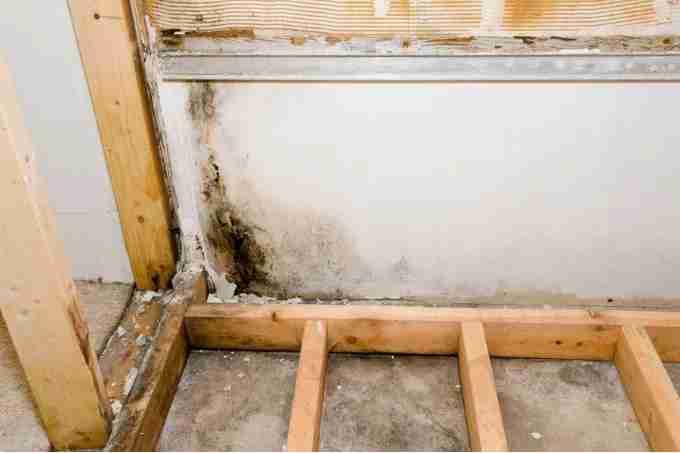
Pathogenic molds are more dangerous as they can cause infections, especially in people with compromised immune systems. These molds are capable of causing diseases and are often found in areas with water damage or excessive moisture. Stachybotrys/black mold is one of the pathogenic molds. If left untreated, it can lead to serious respiratory issues.

Toxigenic Mold
Toxigenic molds are the most hazardous because they produce mycotoxins, which can be harmful or even deadly when inhaled or ingested. These molds don’t just affect those with allergies or weakened immune systems; they can be dangerous to anyone exposed to them. Toxigenic molds include Fusarium and some strains of Aspergillus. They are often found in areas with significant water damage or in buildings with poor ventilation.

Common Mold Types in Homes
Houston’s humid climate creates ideal conditions for different types of molds in homes to thrive. Here are some of the most common molds you might encounter in your home:
Aspergillus
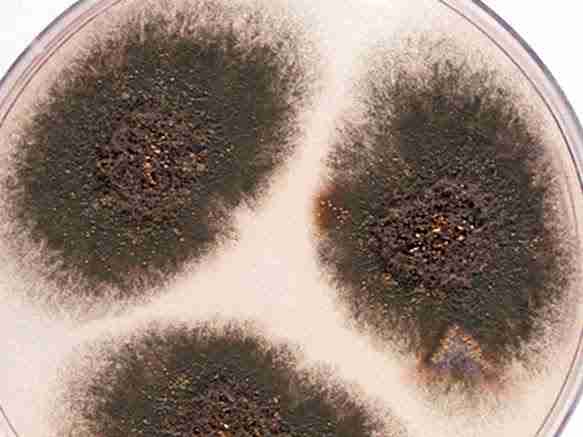
Aspergillus is one of the most prevalent molds found indoors. With numerous species within this genus, Aspergillus can range from harmless to potentially harmful, particularly when certain species produce mycotoxins that are hazardous when inhaled. This mold often grows on walls, insulation, and even food, making it a frequent visitor in many households.
Cladosporium
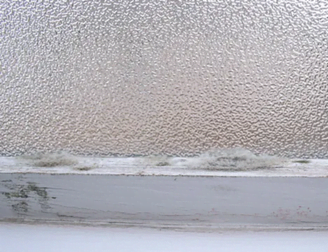
Cladosporium mold in-house is a versatile species that can thrive in both warm and cool environments. This mold is usually olive-green to brown in color and can be found on a variety of surfaces, including wood, textiles, and the back of toilets. Cladosporium is known to trigger asthma attacks and other respiratory problems, especially in sensitive individuals.
Stachybotrys (Black Mold)
Stachybotrys, more commonly known as black mold, is notorious for its dark greenish-black appearance and the serious health risks it poses. This mold produces mycotoxins that can lead to severe respiratory issues, fatigue, and headaches. Stachybotrys thrives in areas with high humidity and moisture, such as bathrooms, and spaces with water damage, making it one of the more dangerous molds to encounter.

Penicillium
Penicillium is another common household mold, recognizable by its blue or green color. While Penicillium is famously used in the production of antibiotics, in the home, it can be a source of allergic reactions and, in some cases, severe infections. This mold often grows on water-damaged materials like carpets, wallpaper, and insulation, making it a frequent guest in areas affected by leaks or flooding.
Alternaria
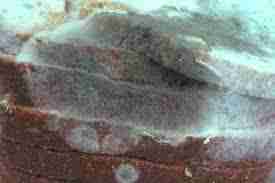
Alternaria is a fast-growing mold that can be found both indoors and outdoors. Known for its potential to trigger asthma and other allergic reactions, Alternaria commonly grows in damp areas such as showers, bathtubs, and under sinks, where moisture is a constant presence.

Call now to speak with a restoration expert about your concerns. We’re ready to help!
Fusarium
Fusarium is a type of mold that can grow at cooler temperatures and is often pink, white, or red. This mold produces mycotoxins that can cause serious health issues, including skin infections and respiratory problems. Fusarium is typically found on water-damaged carpets, wallpaper, and fabric, making it a concern in homes with poor moisture control.
Aureobasidium
Aureobasidium is a mold that can appear in various colors, including pink, brown, or black. It is commonly found on wooden surfaces and behind wallpaper. Aureobasidium can cause eye, skin, and nail infections, particularly in individuals with weakened immune systems, making it a potential health hazard in the home.
Chaetomium
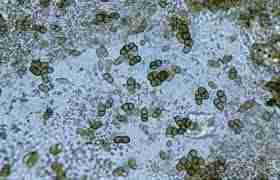
Chaetomium is known for its musty odor and cotton-like texture. This mold is typically found in water-damaged homes, where it thrives on drywall, carpet, and baseboards. Chaetomium can cause skin and nail infections, and prolonged exposure has been linked to neurological damage, making it a mold that requires careful attention.
Orange Mold
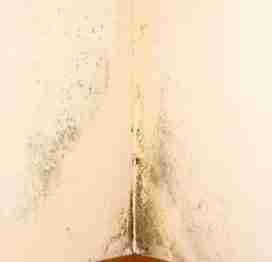
Orange mold is a type of mold that thrives in very wet conditions and is often recognized by its bright orange color. This mold can cause severe allergic reactions and is frequently found in bathrooms, around windows with high condensation, and in areas with excessive moisture. Orange mold often grows alongside other harmful molds, increasing the potential health risks.

Trichoderma
Trichoderma is a rapidly growing mold that is usually white or green. It produces enzymes that can degrade building materials, leading to structural damage in the home. Trichoderma is often found on damp carpets, wallpaper, and other cellulose-based materials, making it a concern for homeowners dealing with moisture issues.

What to Do When You Find Mold at Home
Discovering mold in your home can be alarming, but it’s important to act quickly and responsibly. The first step is to contact professionals immediately. Mold removal isn’t just about wiping away visible spots; it involves identifying and addressing the underlying moisture issues that allow mold to thrive.
Attempting to remove mold on your own with mold removal in Houston’s home can often make the situation worse, spreading spores throughout your home and potentially exposing you to harmful mycotoxins.
Hire the Right Mold Removal Company
When it comes to mold remediation, hiring the right company is crucial. Professionals like Anderson Restoration in Houston have the expertise, equipment, and experience to effectively remove mold and prevent it from returning. We conduct thorough inspections to identify the source of the problem, use specialized techniques to safely remove mold, and implement measures to ensure your home remains mold-free in the future.
Anderson Restoration is a trusted name in Houston for mold removal, offering comprehensive services that address both the immediate issue and the long-term health of your home. Our team understands the unique challenges posed by Houston’s humid climate and is equipped to handle even the most severe mold infestations. By choosing Anderson Restoration, you’re not just removing mold—you’re protecting your home and health from future risks.


Can You Stay in Your Home During Fire Damage Restoration

How Professional Dehumidification Works After Water Damage
Water Damage Restoration in Fulshear, TX
6 Hidden Costs in Fire Damage Restoration Projects
We’re ready to answer your questions. Please submit the online form below to speak with an Anderson Restoration professional.