
Jump To
- 1. Washing Machine
- 2. Water Heater
- 3. Dishwasher
- 4. Refrigerator
- 5. Water Softener
- Early Warning Signs to Watch
- FAQs
The appliances most likely to flood your Sugar Land home are the washing machine, water heater, dishwasher, refrigerator, and water softener. We’re Anderson Restoration, an IICRC-certified, family-owned team handling water damage restoration across the Houston metro since 2002. Most of these failures start small and quiet, which is why they catch people off guard.
Here’s what homeowners don’t always hear. Appliance floods rarely announce themselves. A supply line weeps for weeks behind a cabinet, a pan rusts out under a tank, and one morning you’re standing in an inch of water. It usually didn’t happen overnight.
Let’s walk through the five usual suspects and the early signs that buy you time.
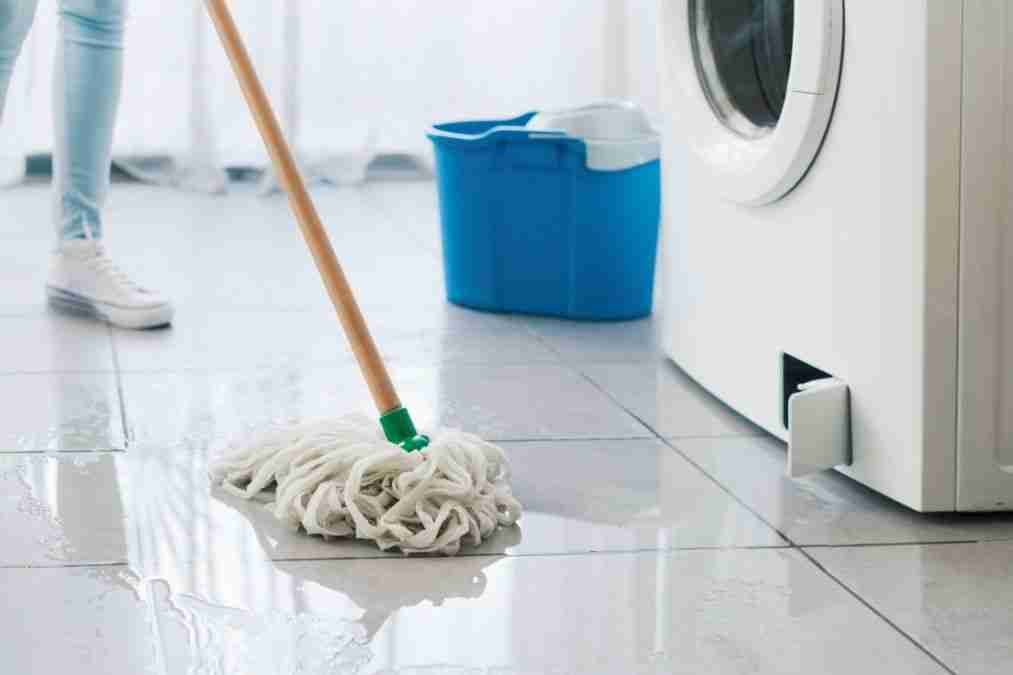
A failed washing machine supply hose can release water faster than almost any other appliance in the house.
1. Washing Machine
Washing machines top this list because their rubber supply hoses stay under pressure even when the machine is off. When a hose bursts, a single line can release dozens of gallons before anyone notices. That’s a lot of water in a closed laundry room.
The hoses are the weak point. Rubber lines bulge and crack with age, often around the five-year mark. Braided steel hoses last far longer and cost very little to swap in.
Check behind your machine twice a year. If you see kinks, bulges, rust, or dampness around the fittings, replace the hose before it picks the timing for you.
Quick win: Turn off the washing machine water valves when you leave for vacation. Two seconds of effort, and the pressure that causes most blowouts is gone while you’re away.
2. Water Heater
A water heater holds 40 to 80 gallons, and tanks corrode from the inside out. When the bottom gives way, that whole volume hits your floor, often in a closet or garage where it spreads into living space fast.
Most tanks last 8 to 12 years. After that, you’re on borrowed time. The drip pan catches small leaks, but it won’t hold a full tank failure.
Look for rusty water at the tap, popping sounds, or moisture around the base. Those are the tank telling you it’s tired.
Came home to a flooded floor? We answer around the clock, every day of the year.
3. Dishwasher
Dishwashers leak quietly, which makes them sneaky. A worn door gasket, a cracked supply line, or a failing drain hose can release water under the cabinet base where you can’t see it. By the time it reaches the floor, the subfloor may already be soaked.
We’ve pulled out dishwashers in Sugar Land kitchens and found soft, blackened subfloor underneath. The leak had been there long enough to grow mold. Our breakdown of a dishwasher leaking from the bottom covers the common culprits.
Run your hand along the base after a wash cycle. Warped floor, a musty smell, or water at the toe kick all point to a slow leak.
How appliance water turns into mold
Trapped moisture is mold’s favorite environment, and our humid Gulf Coast climate speeds things up. The EPA notes that mold can begin growing on damp surfaces within 24 to 48 hours. That’s why a hidden leak so often turns into a mold remediation job instead of a simple cleanup. Catching the water early keeps one problem from becoming two.
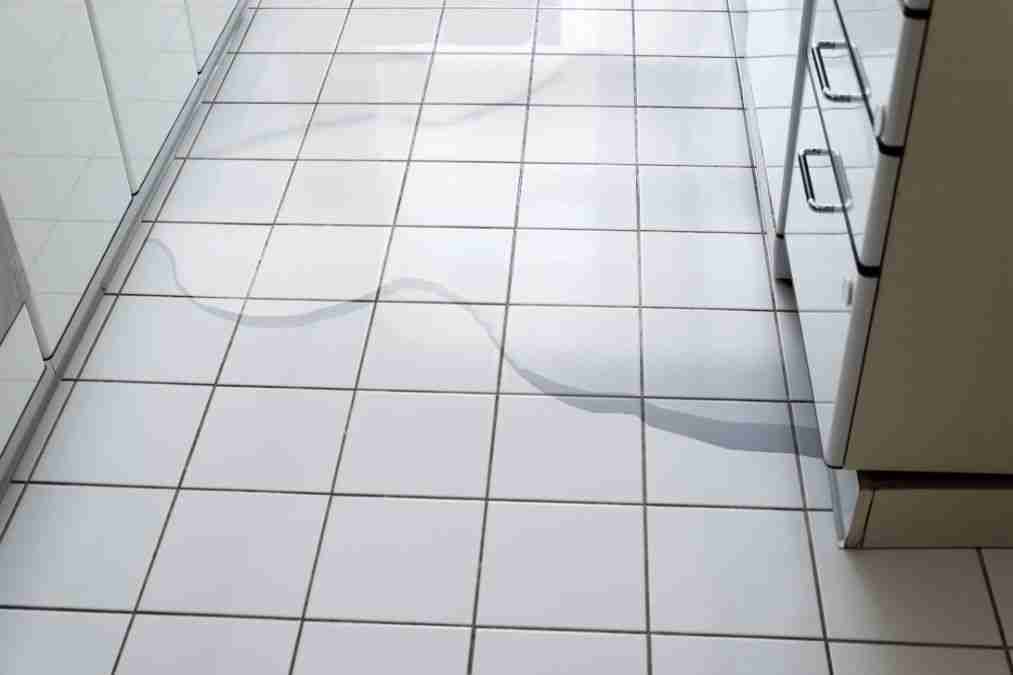
Slow dishwasher leaks hide under the cabinet base, soaking subfloor and trim before anyone spots them.
4. Refrigerator
If your fridge has an ice maker or water dispenser, a small plastic line runs behind it. Those lines crack and the connections loosen, and the leak drips behind a heavy appliance nobody moves. The result is a slow puddle spreading into the flooring.
Defrost drain clogs cause trouble too. When that drain backs up, water pools inside and finds its way to the floor.
Pull the fridge out twice a year and check the line for cracks or buildup at the fittings. While you’re back there, sweep the dust off the coils.
5. Water Softener
Plenty of Houston-area homes run a water softener to fight hard water, and these units carry real flood risk. The brine tank, valves, and lines can leak or overflow, and the unit often sits in a garage where a leak goes unnoticed for days.
There’s a seasonal wrinkle here. During our occasional hard freezes, like the one in January 2026, softener lines can freeze and crack, then flood once things thaw. It’s rare for our market, but it happens.
Check the brine tank for overflow, watch for salt bridging, and keep an eye on the floor around the unit. Before a freeze, protect the lines like any exposed plumbing.
Early Warning Signs to Watch
Most appliance floods give you a warning first. The trick is knowing what to look for so you can act while it’s still a cheap fix. Here’s a checklist you can run in about ten minutes.
| Warning Sign | What It Often Means |
|---|---|
| Musty or earthy smell | Hidden moisture, possible early mold |
| Warped or soft flooring | Water seeping under the appliance |
| Higher water bill, no new usage | A slow leak running somewhere |
| Rust at hoses or fittings | A connection close to failing |
| Stains on ceilings or walls | Water tracking from a unit upstairs |
None of these mean panic. They mean look closer. Small leaks have a way of growing, and our team has written about why you shouldn’t ignore small water leaks for exactly this reason.
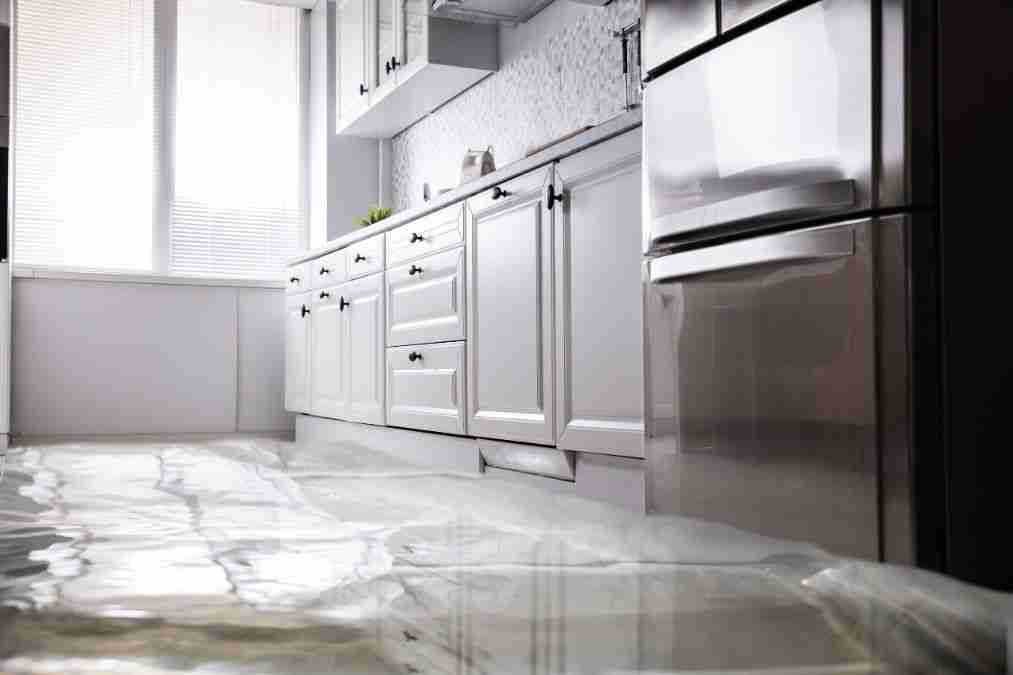
A cracked ice maker line can run for hours behind the fridge before anyone notices the puddle.
When the water has already won
Sometimes you do everything right and an appliance still lets go. When that happens, fast drying matters most. The longer water sits, the deeper it travels into subfloor, drywall, and cabinets. Our crews follow IICRC water damage restoration standards for drying, and we work directly with your insurance carrier so you’re not managing the claim alone.
We’ve served homeowners throughout Sugar Land and the surrounding Houston metro for over two decades. If an appliance floods, getting a certified team in quickly is the difference between a tidy repair and a gutted room.
FAQs
Which appliance causes the most water damage in homes?
Washing machines and water heaters cause the most severe flooding. Both release large volumes of water fast, a burst washer hose under pressure, or a corroded tank holding 40 to 80 gallons. Either one can flood a room before you notice.
How do I know if my dishwasher is leaking under the cabinet?
Watch for warped flooring near the unit, a musty smell, and water at the toe kick after a cycle. Because dishwasher leaks hide under the cabinet base, damage often spreads to the subfloor before any water reaches the visible floor.
Can a leaking appliance cause mold in a Sugar Land home?
Yes. In our humid Gulf Coast climate, mold can start growing on damp surfaces within 24 to 48 hours. A slow, hidden appliance leak is one of the most common ways mold gets a foothold inside walls and flooring.
Should I shut off appliance water when I go on vacation?
It’s one of the easiest ways to prevent a flood. Turning off the supply valves to your washer and dishwasher removes the constant pressure that causes most blowouts, so a hose failure can’t dump water while no one’s home.