Is There Bad Smell When Turning On the Heat in Your House?
Table of Contents
Why Is There a Burning Smell When You Turn On the Heat?
Do you notice a bad smell when you turn on your heater? HVAC smells like burning is a common concern, especially as winter approaches. While the feeling of warm air is comforting, it’s sometimes accompanied by a burning smell that can be strange or unpleasant.
This doesn’t necessarily mean you need to call the fire department, but you shouldn’t ignore the smell either. Some odors are normal, while others can be a sign of a potential hazard. Knowing the difference can help keep your home safe and your heating system in good condition.
Why Your Heater Smells Like Burning

1. Dust Buildup
After months of inactivity, dust settles inside your heater’s components, such as heating elements, burners, and vents. When you turn it on for the first time in the season, the accumulated dust burns off, producing a temporary burning smell. This is one of the most common causes of a burning odor from your heater and is typically harmless.

What to Do
Let your heater run for about 10–15 minutes and see if the smell dissipates. If the smell lingers longer, it might indicate excessive dust buildup inside the system. To prevent this, clean your vents and replace air filters before winter starts. Scheduling an annual maintenance check can also help keep your heater dust-free.
Call now to speak with an expert about your concerns. We’re ready to help!
2. Dirty or Clogged Air Filters
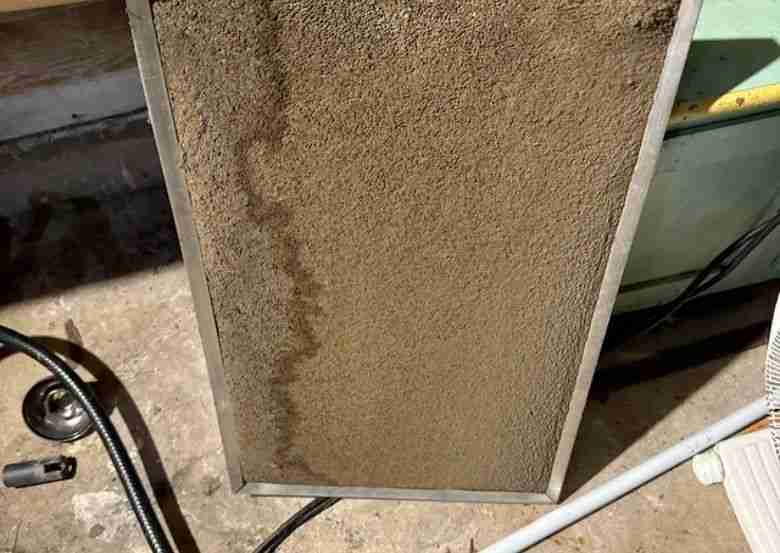
Air filters trap dust, dirt, and debris to keep your HVAC system running efficiently. Over time, these filters can become clogged, restricting airflow and forcing your heater to work harder. This strain can cause overheating, resulting in a burning smell.
What to Do
Check and replace your air filter every 1–3 months, depending on usage and air quality. A clean filter improves airflow, enhances efficiency, and prevents your system from overheating. If you notice the smell persists even after changing the filter, there may be additional airflow restrictions in your ducts that require professional attention.
3. Electrical Issues
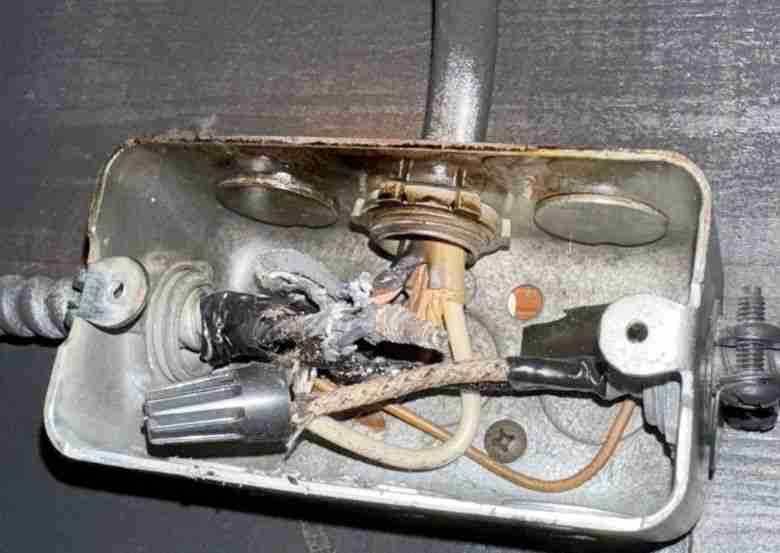
A burning plastic or metallic smell may indicate an electrical issue, such as overheating wires, a malfunctioning circuit board, or a failing motor. These problems can arise due to worn-out components, loose electrical connections, or excessive heat buildup inside the heater.
What to Do
Turn off your heater immediately and contact a professional. Electrical issues can be a serious fire hazard if left unaddressed. Avoid using the system until it has been inspected by an HVAC technician who can diagnose and repair the problem safely.
4. Blocked Vents or Ducts
Your HVAC system relies on proper airflow to distribute warm air throughout your home. If vents or ducts are blocked by furniture, curtains, pet hair, or debris, the restricted airflow can cause your heater to overheat. This can lead to a burning smell as the trapped heat builds up inside the system.

What to Do
Inspect your vents and ducts to ensure they are not obstructed. Move any furniture, curtains, or objects blocking the vents. Regularly clean your vents and ducts to maintain proper airflow and improve heating efficiency.
5. Overheated Furnace Components
Certain furnace components, such as the blower motor, heat exchanger, and bearings, can overheat if they are not functioning correctly. Excessive friction, dirt accumulation, or mechanical failure can cause these parts to emit a burning odor.
What to Do
If the smell persists or worsens, turn off your heater and schedule a professional inspection. Routine maintenance can prevent overheating issues by ensuring all components are in good working condition. Addressing potential mechanical problems early can also prevent costly repairs or system failure.
6. Foreign Objects in Ducts
Sometimes, small objects like plastic toys, paper, or even pet fur can fall into your heating vents or ducts. When the heater turns on, these objects may get too close to the heating elements and start to burn, producing a strong and unpleasant odor.
What to Do
Check your vents and ducts for any visible debris or foreign objects. If you smell burning plastic or something unusual and cannot locate the source, call an HVAC expert for assistance. A professional can inspect your ductwork and safely remove any obstructions.
7. Gas Leak (Rotten Egg Smell)
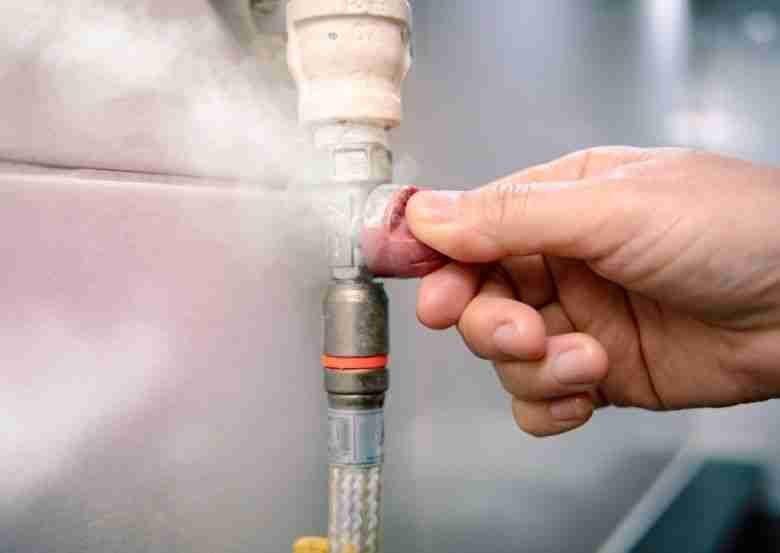
If you notice a strong rotten egg smell when your heater is running, this may indicate a gas leak. Natural gas is odorless, but utility companies add a sulfur-like scent to help detect leaks. A gas leak is a serious and dangerous situation that requires immediate action.
What to Do
Turn off the gas supply, evacuate your home, and call your gas provider or emergency services right away. Do not use electrical appliances, light matches, or turn on lights, as a spark could ignite the gas. A professional technician will need to inspect and repair the leak before you can safely use your heater again.
When to Call an Expert
Some burning smells are harmless and temporary, while others signal serious issues. If the smell lingers, worsens, or is accompanied by strange noises or performance issues, it’s best to contact a fire damage restoration professional in Houston, TX.
For HVAC concerns, Anderson Restoration has the expertise to diagnose and fix any heating-related problem. Whether it’s an electrical issue, clogged ducts, or furnace malfunctions, their team can help restore your home’s warmth safely.
Don’t ignore persistent burning smells—reach out to Anderson Restoration today for expert assistance!
FAQs
Why does my heater smell when I first turn it on?
A burning smell when you first turn on your heater is usually caused by dust buildup on the heating elements or in the ducts. This is normal and should disappear within 10–15 minutes. If the smell persists, check your air filters or call a professional to inspect for electrical issues or other concerns.


Can You Stay in Your Home During Fire Damage Restoration

How Professional Dehumidification Works After Water Damage
We’re ready to answer your questions. Please submit the online form below to speak with an Anderson Restoration professional.