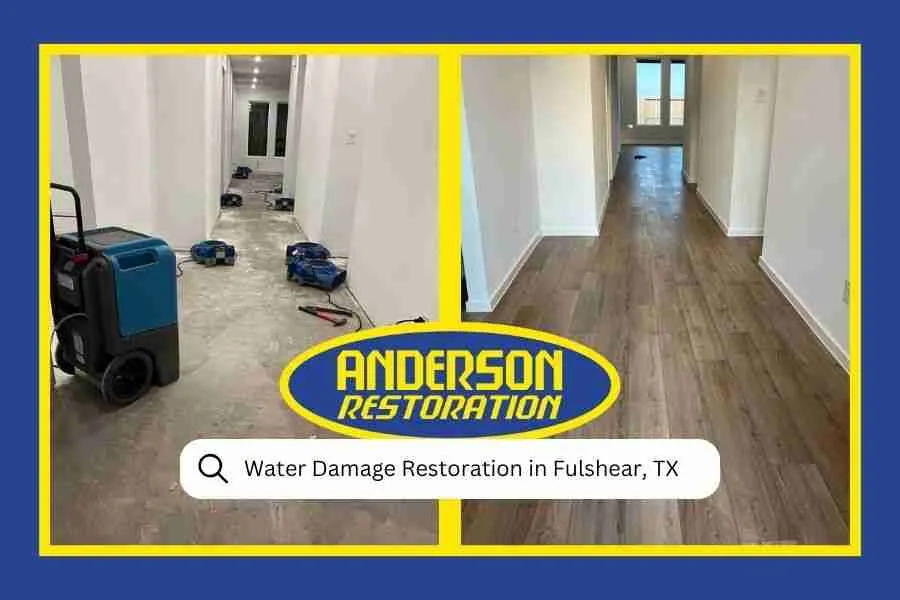
Sometimes yes, but only after someone qualified confirms the home is safe to sleep in. Whether you can stay during fire damage restoration hinges on how far the smoke traveled, what the hoses soaked, and whether your power is back on. Our crew at Anderson Restoration makes that call with you before a single fan gets plugged in.
Can You Stay in Your Home During Fire Damage Restoration?
Most families can stay after a small, contained fire, and most cannot after one that spread past a single room. A scorched wall behind the stove is one job. A blaze that took the kitchen and pushed smoke into the attic is another. Three things settle it: air quality, working utilities, and safe footing.
The fire department clears the property first. Then we walk the house and check what the smoke actually touched, which is always more than the burn marks suggest.
We have had Cypress homeowners sleep in their own bed that same night. We have also told folks with a two room fire to book a hotel before we unloaded the truck.
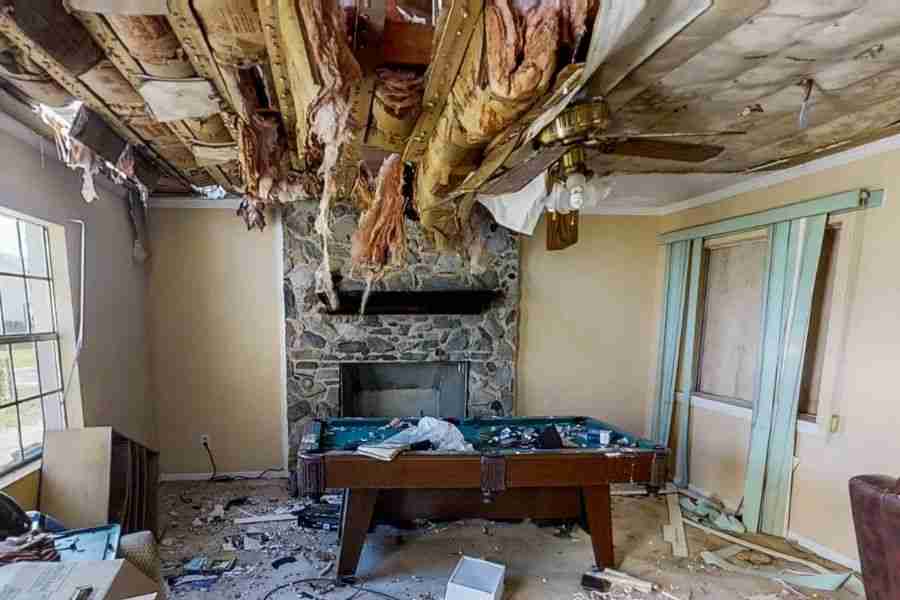
Once the ceiling comes down, the room stops being livable. Structural work has to finish before anyone moves back in.
What Makes a Fire Damaged Home Unsafe to Live In?
Four hazards keep people out: soot in the air, weakened framing, heat damaged wiring, and water from the fire hoses. A fire leaves behind far more than char. Smoke drives fine particles into vents, closets, and insulation, and it settles in places you would never think to check.
- Soot is fine enough to reach deep into your lungs.
- Heat weakens framing and subfloor, so floors near the burn can feel spongy even where nothing looks charred.
- Wiring turns risky once heat melts insulation and hose water reaches the outlets.
- Hoses dump hundreds of gallons fast, and in our humidity mold can start within a day.
The U.S. Fire Administration guide on returning home after a fire is worth reading while you wait on your adjuster.
Odor is the sneaky one. Smoke sinks into carpet pad, drywall, and clothing, then comes roaring back on the first humid afternoon.
Not sure the house is safe to sleep in tonight?
We pick up at any hour and will tell you straight whether staying makes sense.
Should You Stay Put or Pack a Bag?
Stay only if the burn held to one room, the utilities work, and nobody in the house has breathing trouble. Leave if smoke reached your HVAC, the power is off, or the fire took a bedroom or bathroom you count on. Here is the rough split we use on site.
| Usually Safe to Stay | Time to Pack a Bag |
|---|---|
Fire stayed inside one room | Smoke reached two or more rooms |
Power, gas, and water all work | Utilities shut off at the meter |
Kitchen or a full bath usable | Hose water soaked walls or ceilings |
Everyone at home breathes easy | Kids, seniors, pets, or asthma at home |
Money matters here too. Most homeowner policies carry loss of use coverage that pays for a hotel when the house is not livable, so ask your adjuster first. The Red Cross home fire recovery guide lists what to keep receipts for.
What Daily Life Looks Like With a Crew Inside
Living in an active work zone means plastic walls, loud machines, and rooms you cannot enter for days. We seal the damaged area with sheeting and zipper doors, then run air scrubbers to pull soot out of the air. Those machines hum all night.
Your HVAC stays off until the ducts get checked. Running it blows soot into clean rooms, which turns a one room job into a whole house job. In a Houston August, that alone sends most families to a hotel.
Fans and dehumidifiers pull serious power, so breakers trip. If the hoses soaked your drywall, we bring in emergency water extraction and drying, then check moisture daily until the readings hold flat.
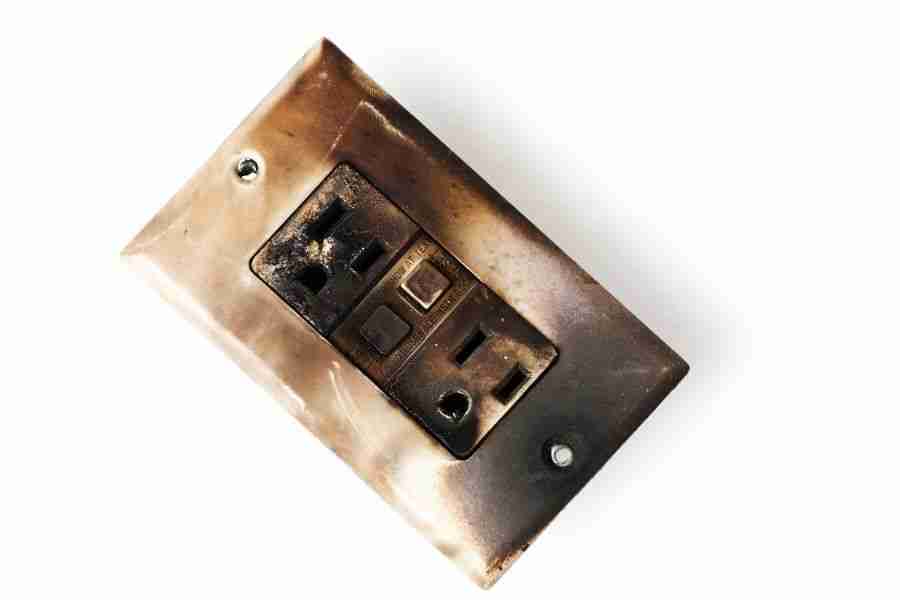
Fire damage hides in the wiring. Until the electrical system is cleared, running power in the house is its own hazard.
Furniture, clothes, and keepsakes often leave through our contents packout and storage service. You get an itemized list, though not quick access. Pull what you need first.
How to Prepare If You Decide to Stay
Set up one clean room, keep the HVAC off, and move anyone with breathing issues somewhere else. Staying works when you treat the house as two separate spaces, one under repair and one you actually live in. Run these four checks before night one.
1. Utilities cleared in writing
Get written confirmation that power, gas, and the structure passed inspection. A verbal thumbs up will not hold up in a claim file.
2. A sealed clean room
Pick a bedroom far from the damage and keep the door shut.
3. HVAC off, filter swapped
Leave the system off until the ducts are inspected, then swap the filter before you run it again.
4. A two week bag, packed early
Grab medicine, work clothes, chargers, and school gear before the packout crew arrives.
Send the pets to a friend. Their airways are small and they spend the day at floor level, right where soot settles.
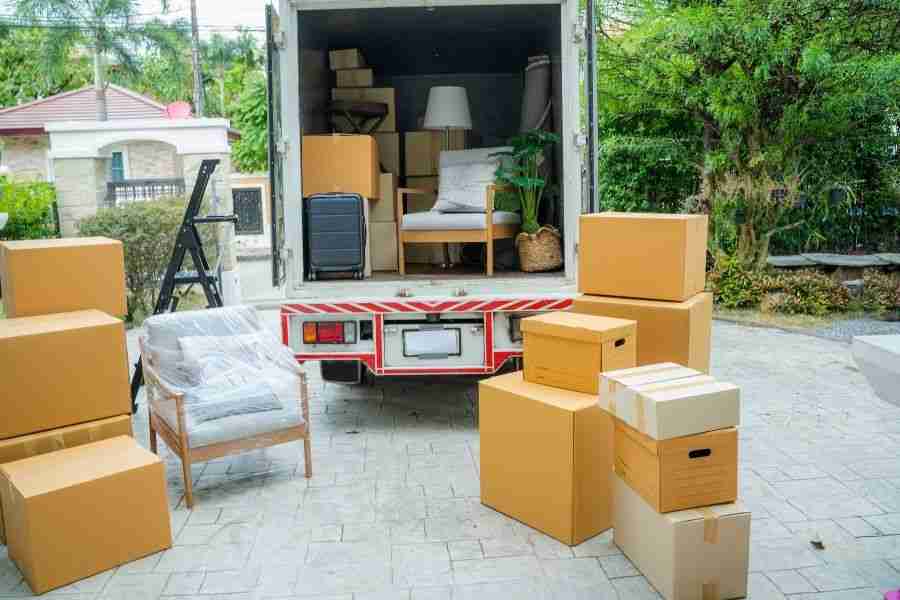
Our team at Anderson Restoration packs out furniture and belongings so they can be cleaned and stored off site while the house is worked on.
Our breakdown of the fire damage restoration process in Houston maps out each phase. Still in the first hours after a small fire? Start with what to do after putting out a kitchen fire.
Anderson Restoration has served North and West Houston since 2002 with IICRC firm certification in water, mold, and fire work. Our on call team answers day or night, and we handle the carrier paperwork, including fire damage restoration in Cypress, TX.
Frequently Asked Questions
Is it safe to sleep in a house that smells like smoke?
No. That smell means soot is still airborne or in nearby soft materials. Sleep somewhere else until the air has been filtered and the source of the smell has been cleaned.
How long does fire damage restoration take?
A small contained fire often wraps in one to two weeks. Jobs with structural repairs, packouts, or heavy water damage run a month or longer. Ask for a written timeline up front.
Can I keep the kids home during fire cleanup?
We advise against it. Kids breathe faster than adults for their size, so they take in more soot per hour. Ask your adjuster about loss of use coverage.
Will homeowners insurance pay for a hotel?
Most policies reimburse lodging and meals when your home is unlivable, though limits vary. Call your adjuster before booking and save every receipt. Our guide to signs you need fire damage repair covers what to watch for.