Does Heat Kill Mold?
Table of Contents
Will Heat Kill Mold?
So, At What Temp Does Mold Die?
What’s The Catch?
Why Can’t Heat Completely Kill Mold Spores?
Mold often grows inside walls, under floors, and in areas where heat might not reach effectively. Simply applying heat won’t eliminate the mold spores deeply embedded in your home’s structure.
Mold thrives in moisture, and unless the source of that moisture—like a leak or high humidity—is fixed, mold will likely keep coming back. You might kill the visible mold on surfaces, but the hidden mold can still grow and spread over time.
Problems with Using Heat Tools
Heat tools like industrial heaters, heat guns, or lamps are often marketed as mold-killers, but they have their limitations. While they can raise the temperature in targeted areas, they don’t always provide a comprehensive solution. Indoor mold can survive in places that these tools can’t reach. Additionally, using heat tools can come with risks. Overheating certain materials, like wood or plastic, can cause damage or even lead to a fire hazard.
It’s also difficult to ensure that heat reaches all affected areas consistently, meaning some mold may be left behind. While heat tools might help reduce surface-level mold, they’re not likely to solve the entire problem. The root issue—excess moisture—needs to be addressed for long-term mold removal.
Call now to speak with a restoration expert about your concerns. We’re ready to help!
1. Industrial Heaters
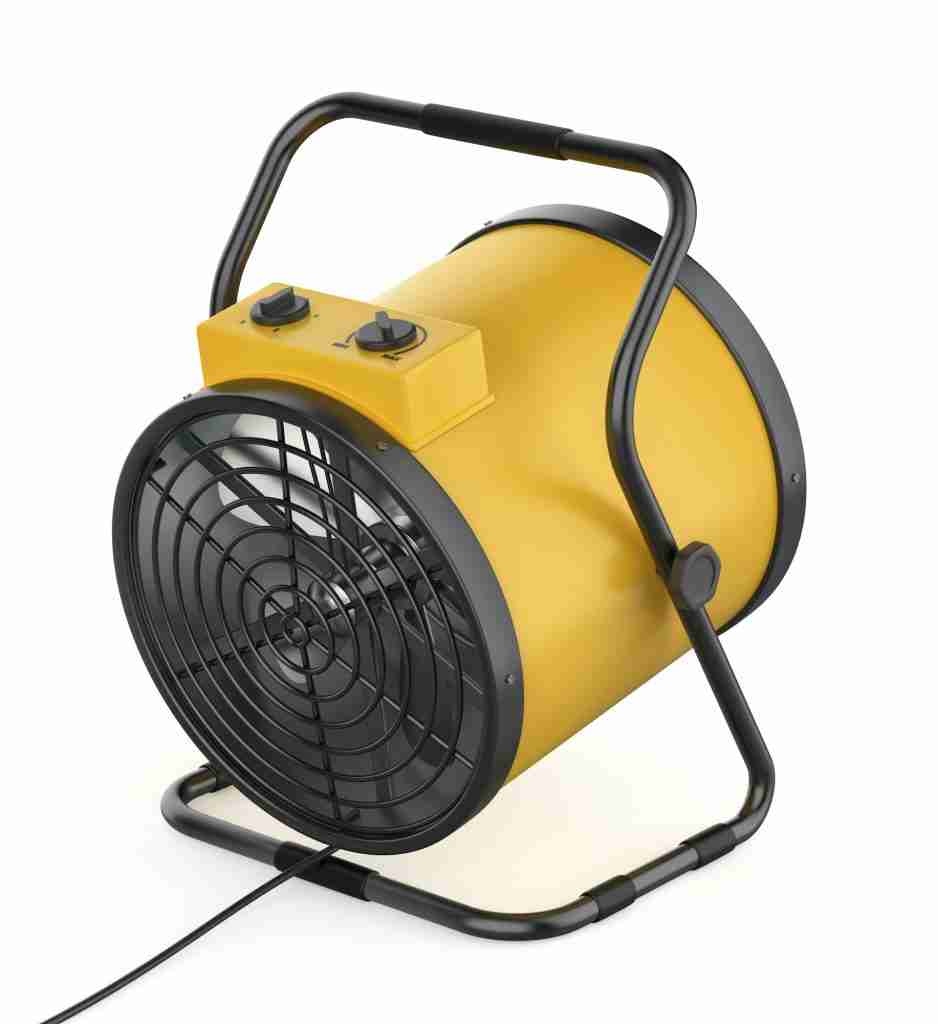
Industrial heaters can be effective for raising the temperature in large spaces or areas with significant mold growth. To use an industrial heater, place it in the affected room and set it to a temperature between 140°F and 160°F (60°C to 71°C). Ensure proper ventilation to prevent overheating and monitor the area closely. However, be aware that this method may not reach hidden mold in walls or ceilings.
2. Heat Guns
Heat guns can provide targeted heat to specific mold-infested areas, making them useful for small spots or surfaces. Hold the heat gun about 3–6 inches from the mold, moving it slowly to evenly distribute the heat. Monitor the temperature closely to avoid damaging the material beneath the mold. While effective for surface mold, remember that this method won’t address deeper contamination.

3. Infrared Lamps

4. Space Heaters
5. Hot Water Extraction Machines

Using Heat to Kill Mold vs. Getting Professional Help
While heat can slow down mold growth temporarily, professional mold remediation is far more effective. Experts use specialized tools, such as air scrubbers and commercial-grade dehumidifiers, to remove excess moisture and eliminate mold at its source.
Mold remediation professionals have the experience to find hidden mold, remove it completely, and treat affected areas to prevent future growth. They also ensure that mold spores don’t spread to other parts of your home during the removal process, providing a thorough and safe solution—something heat alone can’t do.
If you’re facing a mold problem, seeking professional help is the best way to ensure the job is done right, protecting both your home and your health.

get Rid of Mold With Anderson Restoration
Imagine you are a mom and walking into your home with mold spread across the walls, smelling that musty odor in the air. Trying to tackle a mold problem with heat or DIY methods might seem tempting, but in cases of significant mold growth, this approach only scratches the surface. Mold often hides in places you can’t see, and without proper treatment, it will come back. That’s where Anderson Restoration can help.
At Anderson Restoration, we specialize in comprehensive mold removal services to ensure your home is mold-free and safe. Our experienced team employs advanced techniques to thoroughly assess your property, identifying not only visible mold but also hidden infestations in hard-to-reach areas. We understand that mold can pose serious health risks, so we focus on providing a detailed analysis of your home’s condition.
Frequently Asked Questions:
Does hot water kill mold


Can You Stay in Your Home During Fire Damage Restoration

How Professional Dehumidification Works After Water Damage
We’re ready to answer your questions. Please submit the online form below to speak with an Anderson Restoration professional.