How Fast Does Mold Grow After Water Leak?
Table of Contents
How Likely is Mold after Water Damage
Water damage can be a nightmare for homeowners, especially when it leads to mold growth. If you’ve recently experienced a water leak or flood, you may be wondering how quickly mold can develop in your home. Unfortunately, according to FEMA, mold can start growing as soon as 24 to 48 hours after water exposure, making it crucial to act fast.
Several factors contribute to the speed of mold growth, including:

Temperature and Humidity
Mold thrives in warm and humid environments. If your home has a humidity level above 60%, mold spores can easily settle and grow. The ideal temperature for mold growth is between 70-85°F (21-29°C), making homes in warm climates particularly vulnerable.
Presence of Mold Spores
Mold spores are everywhere, floating in the air both indoors and outdoors. However, they only become a problem when they land on damp surfaces and find the right conditions to grow. If a water leak occurs, any existing spores in the home can quickly turn into active mold colonies.
The Species of Mold
Not all molds grow at the same rate. Black mold (Stachybotrys chartarum), for example, takes several days to fully develop but thrives in wet and porous materials. Other mold types, such as Penicillium and Aspergillus, can spread much faster, especially on drywall, wood, and fabrics.
Types of Surfaces Affected
Mold grows faster on porous materials like carpets, drywall, wood, and insulation because they absorb and retain moisture. Hard, non-porous surfaces such as metal, glass, and tile are more resistant to mold, but they can still become a breeding ground if moisture remains.
How to Prevent Mold After Water Damage
Mold thrives in damp environments, and it can start growing within 24-48 hours of water exposure. The good news is that if you act quickly, you can prevent the growth of mold from water leak. Here are five crucial steps to take immediately to prevent mold after a flood or any water damage:
1. Remove Standing Water Immediately
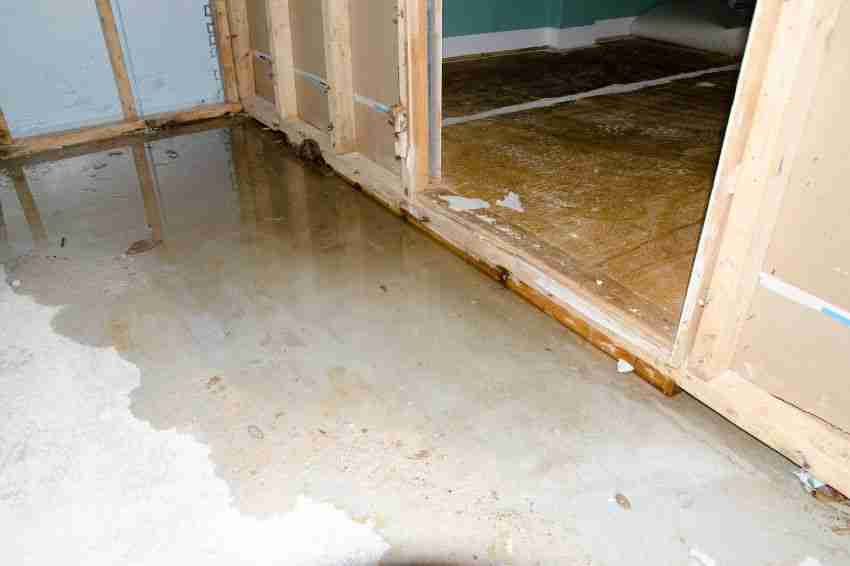
Water left standing in your home creates the perfect environment for mold and bacteria to grow. The longer it remains, the higher the risk of structural damage and health hazards. Start by using a wet/dry vacuum, sump pump, or even absorbent towels to extract as much water as possible. If the flooding is extensive, professional water extraction services can help remove water more effectively.
2. Dry Everything Thoroughly
Mold spores are always present in the air, but they need moisture to grow. That’s why drying out your home quickly is essential. Use high-powered fans and dehumidifiers to speed up the drying process. Open doors and windows to improve airflow, and if necessary, lift carpets and remove baseboards to ensure thorough drying. Pay special attention to hidden moisture in walls, floors, and furniture, as even a small amount of trapped moisture can lead to mold growth.
Call now to speak with an expert about your concerns. We’re ready to help!
3. Disinfect Affected Surfaces
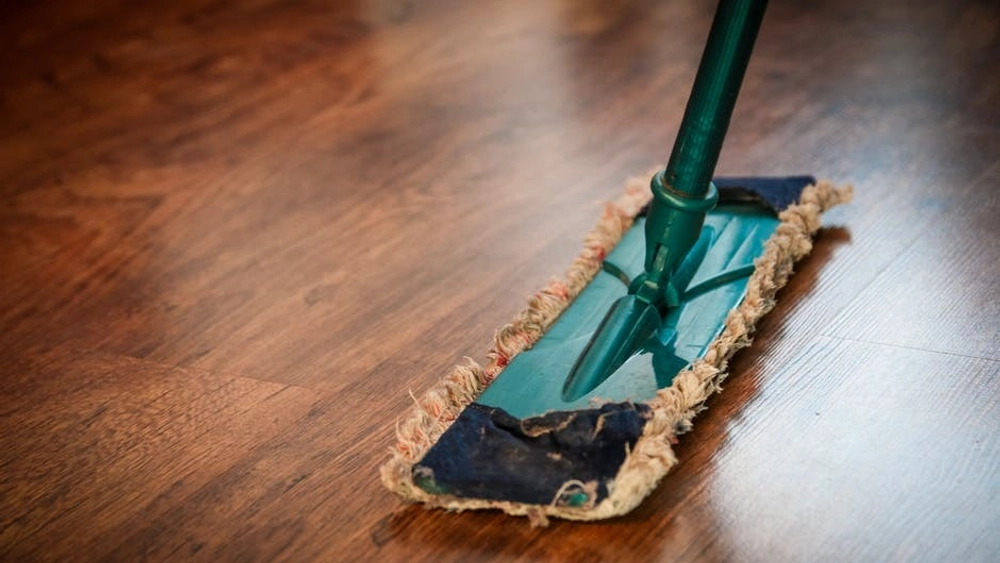
Once the area is dry, it’s important to clean and disinfect all surfaces to eliminate any remaining mold spores. Use a disinfectant solution such as white vinegar, hydrogen peroxide, or a commercial mold remover to wipe down walls, floors, and furniture. Don’t forget hidden areas like under carpets, behind baseboards, and inside cabinets, where mold can easily take root. Proper sanitation helps prevent mold from spreading and protects your home from future infestations.

4. Check and Repair Leaks
If the water damage was caused by a burst pipe, leaking roof, or faulty appliance, fixing the source of the problem is crucial. Even small, slow leaks can create persistent moisture problems, allowing mold to develop over time. Inspect your plumbing, roof, and appliances for leaks, and repair any damage immediately to prevent future water issues. Regular maintenance and inspections can help catch potential leaks before they become serious problems.
5. Use Mold-Resistant Materials
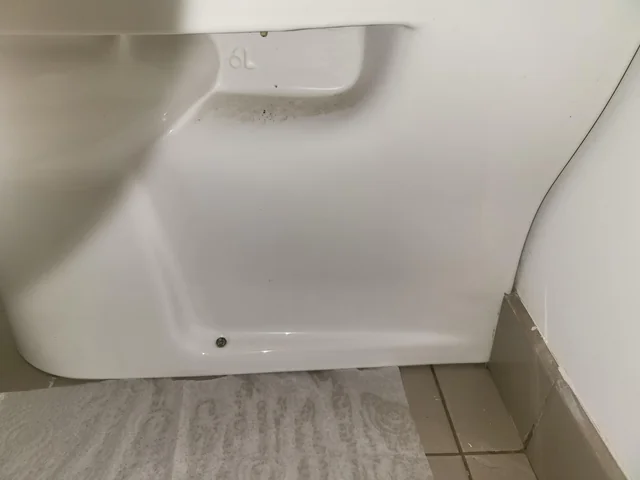
If your home requires repairs or renovations after water damage, consider using mold-resistant products. Mold-resistant drywall, paint, and insulation are designed to prevent moisture absorption and inhibit mold growth. These materials are particularly useful in high-moisture areas like bathrooms, basements, and kitchens. By investing in mold-resistant building materials, you can protect your home from future mold problems.
Who to Call for Water Damage Before Mold Growth
If your home has suffered water damage, acting fast is crucial to prevent mold growth and structural issues. Delaying restoration can lead to severe problems, including weakened walls, flooring damage, and harmful mold infestations. By calling a professional water damage restoration service immediately, you can minimize the risks and ensure your home is restored safely and efficiently.
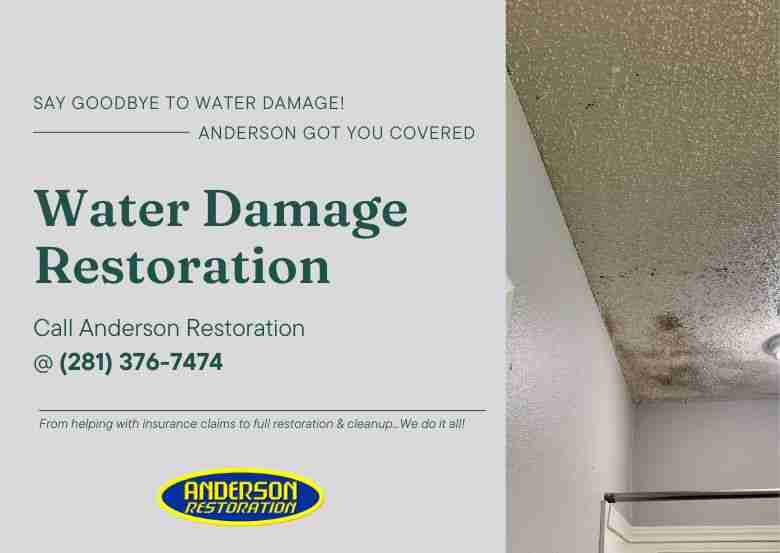
At Anderson Restoration, we have over 30 years of experience handling water damage in Houston, Texas, and surrounding areas. Our certified technicians follow a thorough restoration process, including rapid water extraction, advanced drying and dehumidification, and complete sanitization to remove bacteria and mold spores. We also provide structural repairs, ensuring your home is fully restored and protected from future damage.
Why Choose Anderson Restoration?
Anderson Restoration provides a fast emergency response, available 24/7 to assist with water damage situations. Our certified experts use industry-leading techniques and the latest equipment to ensure effective restoration. We offer comprehensive solutions, handling everything from water extraction to full restoration, so you don’t have to worry about a thing. Most importantly, we prioritize customer satisfaction, helping homeowners restore their homes and regain peace of mind.
Contact Anderson Restoration today for fast, professional water mitigation and mold prevention services in Houston. Let us help you protect your home and restore it to better than before.
FAQs
Can Mold Grow After Leak is Fixed?
Yes, mold can still grow even after a leak is fixed if the affected area wasn’t properly dried and treated. Moisture can remain trapped in walls, floors, or ceilings, creating the perfect environment for mold growth. To prevent this, ensure thorough drying, improve ventilation, and consider professional mold inspection if needed.


Can You Stay in Your Home During Fire Damage Restoration

How Professional Dehumidification Works After Water Damage
We’re ready to answer your questions. Please submit the online form below to speak with an Anderson Restoration professional.