Most water damage restoration projects need three to five days of drying, then one to three weeks of repairs. Our crew at Anderson Restoration has handled water damage restoration calls across North and West Houston since 2002. How long yours takes depends on the water source, what it soaked into, and how fast someone shut it off.
That gap is wide for a reason. A slow dishwasher leak on tile is a very different job than two inches of storm water sitting in the living room. Same label, different week.
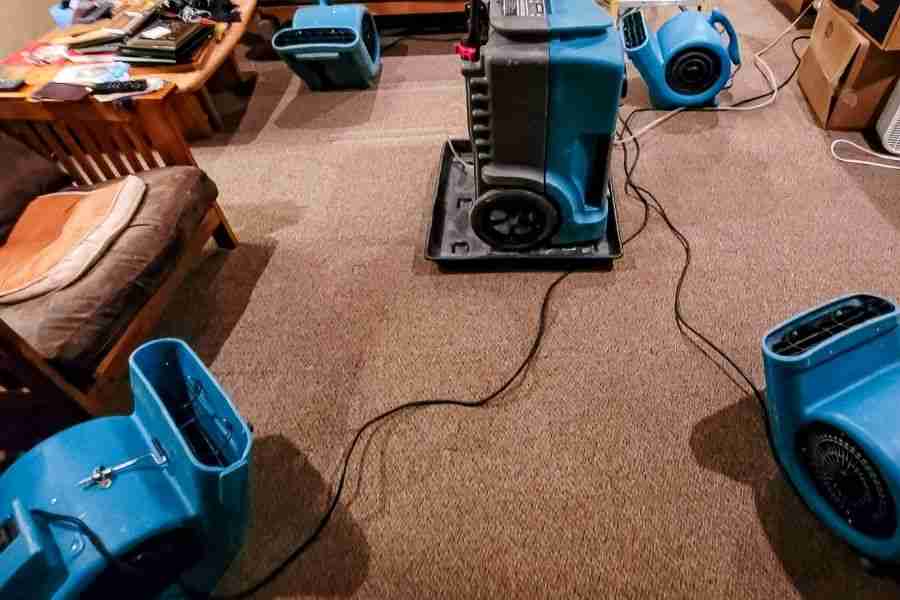
Extraction happens on day one. The rest depends on how wet the materials underneath are.
What does a typical water damage timeline look like?
Most water damage jobs move through four stages: emergency response, water removal, drying, and repairs. The first three usually finish inside a week. Repairs take longer, since they depend on materials, insurance approval, and sometimes a permit. Our on call team at Anderson Restoration reaches most Houston area homes in about an hour.
| Stage | Timing | Work involved |
|---|---|---|
| Emergency response | Same day | Source stopped, damage mapped |
| Water removal | 1 to 2 days | Extraction, wet material out |
| Drying | 3 to 5 days | Equipment runs, readings logged |
| Rebuild | 1 to 3 weeks | Drywall, flooring, paint, trim |
Notice that drying and rebuilding run on two clocks. Mitigation gets the house dry. The rebuild puts it back together, and that second half eats most of the calendar. Our breakdown of water mitigation versus water restoration shows the split.
Those targets are not guesses. The IICRC S500 standard spells out how moisture gets measured and when a structure counts as dry. We are IICRC certified, so readings set our schedule.
Standing water gets more expensive every hour it sits. We answer 24/7 across the Houston metro.
How long does drying take for different types of water damage?
Drying runs anywhere from two days to two weeks, based on the source and what it soaked. Clean water on hard surfaces dries fast. Water inside carpet pad, drywall, or subfloor holds on far longer. Dirty water adds cleanup steps first.
How long does an appliance leak take to dry?
Think water heater, washing machine, or a sink supply line. Caught the same day, before water creeps under the cabinets, these dry in three to five days. Most of that time goes to hidden baseboards and drywall.
What about slab leaks and crawl space water?
Houston homes hide water well. A slab leak can wick through flooring for weeks before anyone notices a warm patch or a musty smell. Drying then runs five to eight days.
How long does storm flooding or a sewage backup take?
This is the long end. Flood water and sewage carry bacteria, so soaked drywall, carpet, and pad get hauled out instead of dried. Plan on one to two weeks for storm damage restoration cleanup.
Why do wood floors take longer?
Hardwood is stubborn. Solid wood can sometimes be saved with drying mats, though it often needs ten to fourteen days. Engineered wood and laminate usually swell and get replaced.
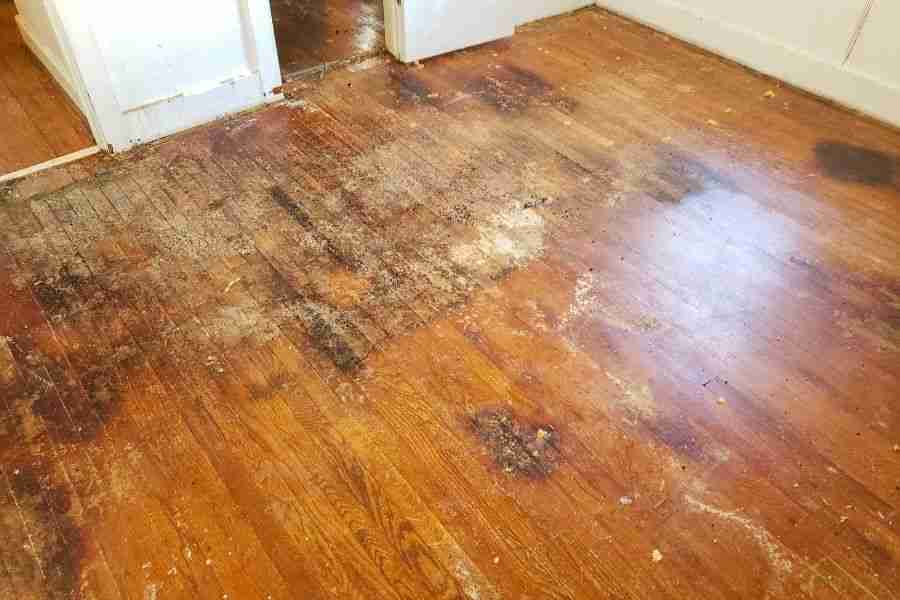
Hardwood holds moisture far longer than drywall or carpet, which is why wood floors often add days to a schedule.
What stretches a water damage job past two weeks?
Mold, dirty water, and insurance delays are the three biggest reasons a job runs long. Hidden moisture is a close fourth. Houston humidity does not help, since August air can push moisture back into a house faster than a small dehumidifier pulls it out.
- Mold found once walls open up, which adds containment
- Water that sat two days and soaked insulation or cabinets
- Insurance approval waiting on photos or an adjuster visit
- Flooring or cabinets on backorder
Mold moves the finish line most. The EPA notes that mold can start growing on damp material within 24 to 48 hours, which is why our techs log readings daily. If growth shows up, professional mold remediation gets scoped alongside the drying, and our post on how fast mold grows after a water leak digs into that window.
Day 1: stop, extract, document
Source shut off, standing water out, wet rooms photographed
Day 2: open up, set equipment
Wet baseboard and pad out, drying equipment set
Days 3 and 4: monitor, adjust
Readings taken daily, gear shifted to slow spots
Day 5: verify dry, hand off
Readings hit dry standard, gear pulled, rebuild starts
How can you keep your restoration on schedule?
Fast reporting, clear photos, and quick decisions shave days off almost every job. The parts you control sit at the front end. Claims move at the speed of paperwork, and one stalled choice about flooring or paint can hold up a rebuild for a week.
- ✅ Call the same day you find water
- ✅ Photograph every room before anything moves
- ✅ Save receipts from the loss
- ✅ Pick flooring and paint early
- ✅ Ask for daily readings in writing
Insurance runs on its own clock. Our guide to how long a water damage insurance claim takes covers what carriers ask for and when.
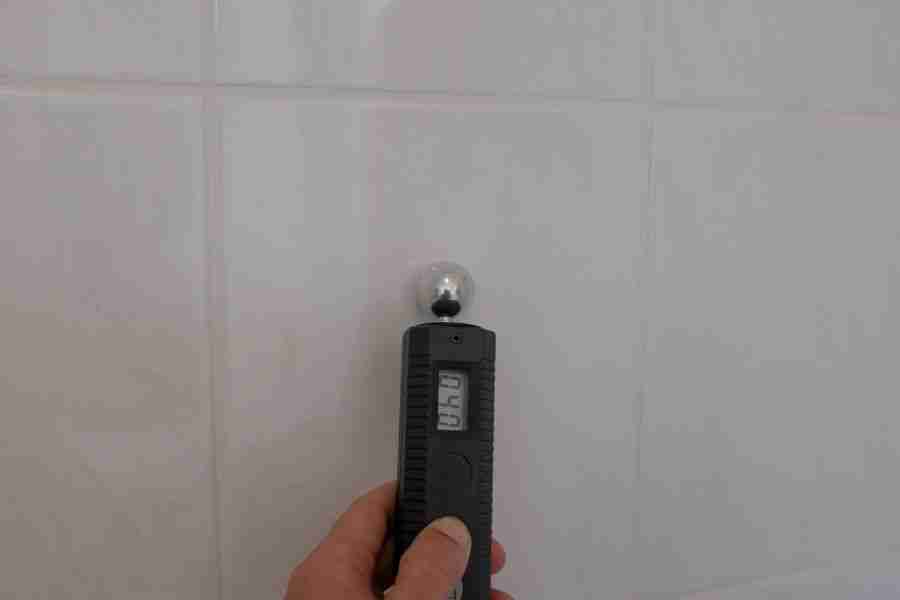
Daily readings turn a guess about the timeline into a real answer.
Anderson Restoration has dried out homes in Cypress, Katy, Tomball, Spring, Magnolia, and across the North and West Houston metro since 2002. Family owned, IICRC certified, BBB A+ rated, and someone picks up at 2 a.m.
Frequently asked questions about water damage timelines
Timeline questions come up on nearly every job we run. These are the four we hear most from homeowners around the Houston metro, answered the way our techs answer them on site. Every house dries differently, so treat these as ranges.
Can we stay in the house during the drying process?
Usually yes, if the water was clean and the damage stays in one area. Expect noise, warmth, and moving air. Sewage water, no working power, or damage to the only bathroom changes that answer, and we will say so.
Why do the fans and dehumidifiers have to run for days?
Materials release moisture slowly, from the inside out. Shutting equipment down early leaves damp cores that a meter still picks up. That is where mold problems start.
How soon can repairs begin after drying finishes?
Repairs can start once readings hit dry standard and the insurance scope is approved. Often that is day five. What usually pushes a project out is approval, not the drying itself.
Is faster always better with water damage?
Faster response, always. Faster drying, no, not if it skips proof. A crew that yanks equipment on day two without documented readings is handing you mold in three weeks.