Jump To:
Every time a tropical system rolls through the Gulf Coast, out-of-state contractors show up in driveways across the Houston metro. They’re called storm chasers, and helping isn’t really the goal. We’re Anderson Restoration, a family-owned, IICRC-certified company based in Waller, and we’ve watched these crews for over 20 years. Here’s what to watch for before signing with anyone offering storm damage restoration in Houston.
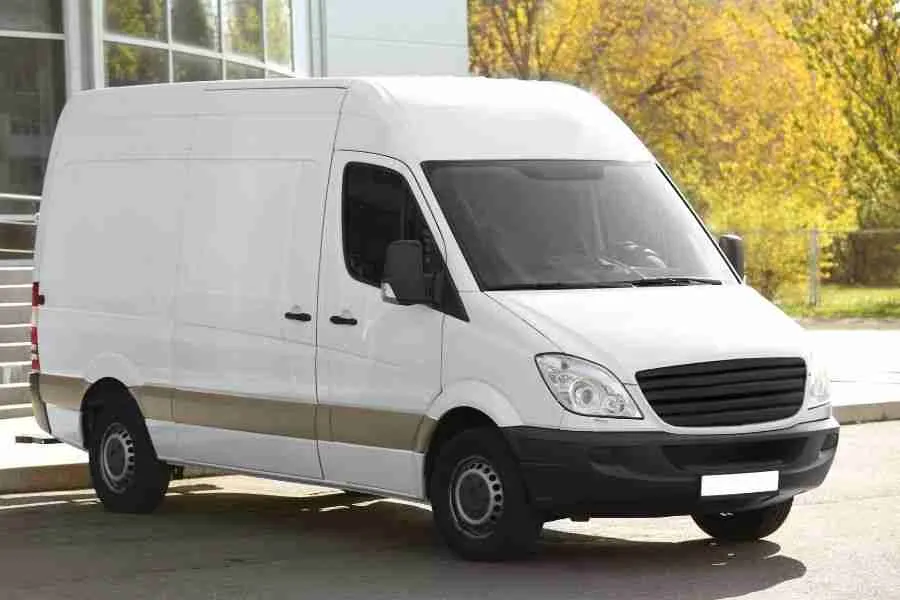
After a major weather event, unfamiliar vehicles with out-of-state plates often appear in damaged neighborhoods within hours.
Who Are Storm Chasers, and Why Do They Target Houston?
Storm chasers are roving contractors who follow severe weather from state to state. They go door-to-door in damaged neighborhoods within hours of a storm. Not all of them are scammers, but the model invites bad actors. Many work under temporary business names, skip local licensing, and disappear once the insurance check clears.
Houston sits in a hurricane corridor. We’ve got one of the largest housing markets in the country and a long Gulf Coast storm season. After Hurricane Harvey, the Texas Department of Insurance fielded thousands of complaints tied to fly-by-night repair crews. That pattern repeats with every named storm.
The damage isn’t only financial. We’ve been called to homes where a storm chaser tore off a roof, took the deposit, and never came back. The homeowner paid twice. Once for the original work that never happened, once for legitimate water damage and structural repairs after the exposed roof let rain in for weeks.
How Storm Chasers Find and Approach Houston Homeowners
The playbook is consistent. Storm chasers rent local PO boxes and slap a magnet on a pickup truck, then start canvassing neighborhoods with visible damage. Some pose as insurance inspectors or city officials. Others run social media ads promising free roof replacements paid for by your insurance.
The pitch is built for pressure. They tell you the damage is worse than it looks. They offer to handle the insurance claim for you. They ask for a deposit on the spot, sometimes the full deductible in cash.
A few of the tactics we hear about most often:
- Unsolicited door knocks within 24 to 72 hours of a storm
- “Free inspections” that conveniently uncover major damage
- Pressure to sign a contract before your insurance adjuster ever arrives
- Promises they can “get the insurance company to pay for everything”
- Requests for large cash deposits or full payment before any work starts
Already Had Someone Show Up Uninvited?
Get a free second opinion from a local, IICRC-certified team. Our crew has served the North and West Houston metro since 2002.
Red Flags You Can’t Ignore
Some warning signs are easy to spot once you know what to look for. We tell every customer the same thing: if any of these come up during a sales pitch, end the conversation and verify before you sign.

Never sign a contract on the first visit. A legitimate restoration company will wait while you verify their credentials.
The Storm Chaser Red Flag Checklist
- No physical office in the Houston metro you can actually drive to
- A contractor license number that can’t be verified with the state
- No general liability or workers’ comp insurance documentation
- Vehicle with out-of-state plates and a hand-painted or magnetic logo
- Verbal estimates only, no detailed written scope of work
- Pressure to sign an “assignment of benefits” form on the first visit
- A warranty backed by a company you’ve never heard of, with no local address
- Cash-only payment terms or unusually large upfront deposits
HUD’s homeowner guide on rebuilding after a disaster says working with local, licensed contractors is one of the biggest factors in avoiding fraud. A contractor with skin in the community has a reputation to protect.
How to Verify a Legitimate Restoration Company
Verifying a restoration company takes about 10 minutes. It can save you tens of thousands of dollars. Before signing anything, run through the short checklist below. If a contractor can’t pass all five checks, keep looking.
| What to Check | Where to Verify It |
|---|---|
| Physical business address (not a PO box) | Texas Secretary of State, Google Maps street view |
| Industry certifications (IICRC, etc.) | The certifying body’s online verification tool |
| Insurance documentation | Ask for a COI naming you as certificate holder |
| BBB rating and customer reviews | bbb.org and Google business profile reviews |
| Local references for past work | Ask for three references in your area and call them |
We’re IICRC-certified, BBB A+ rated, and we’ve worked out of the same office on Kickapoo Road in Waller since 2002. Any legitimate restoration company should give you the same kind of verifiable footprint. Cypress homeowners in particular know how fast scammers move through neighborhoods after a storm, and we encourage them to call us first for a second opinion.

Certifications like IICRC are verifiable through the issuing body, not just claimed on a flyer.
What to Do If You’ve Already Signed
If you already signed a contract with a contractor that’s giving you a bad feeling, you may still have options. Texas law allows you to cancel most home solicitation contracts within three business days, no questions asked. The cancellation has to be in writing.
If money has changed hands and the work hasn’t started, document everything. File a complaint with the Texas Attorney General’s consumer protection division and the Better Business Bureau. The SBA’s disaster help for homeowners also lists real financial resources you can tap without picking a specific contractor first.
Bring in a second-opinion contractor before any more work happens. Our team handles these calls regularly, and we don’t charge for the consult if you’re a victim of an active scam. For more on what real recovery should look like, see our guide to steps to recover from storm damage and our breakdown of common types of storm damage in Houston.
Frequently Asked Questions
Are all out-of-state contractors after a storm scams?
No, but the model attracts bad actors. Some legitimate national companies do send crews to disaster areas. The difference is verifiable licensing, real insurance documentation, an established office, and local references.
Can I just rely on my insurance company to recommend a contractor?
Insurance preferred-provider lists are a useful starting point, not a guarantee. We still recommend verifying licensing, IICRC certification, and BBB rating yourself. You always have the right to choose your own contractor.
What is an “assignment of benefits,” and should I sign one?
An assignment of benefits hands your insurance claim rights over to the contractor. Many legitimate companies use them, but never sign one on the first visit. Read it carefully, and call your insurance agent before agreeing to anything.
How long do I really have to file a storm damage claim in Texas?
In Texas, you typically have one year from the date of loss to file a claim, though your specific policy may differ. Filing earlier is always better, but pressure to sign “before the deadline” is almost always a manipulation tactic.
If you’ve been targeted by a storm chaser or just want a straight answer from a local crew, our hurricane season prep guide and our team are both here for you. Anderson Restoration is 24/7, and we’re not going anywhere when the next storm rolls through.