Hurricane season hits the Gulf Coast hard, and Cypress sits right in its path. A little prep now saves a lot of stress later. Our IICRC-certified team at Anderson Restoration has handled storm damage restoration across the Houston metro since 2002, so we know which steps actually help. Here is where to start.
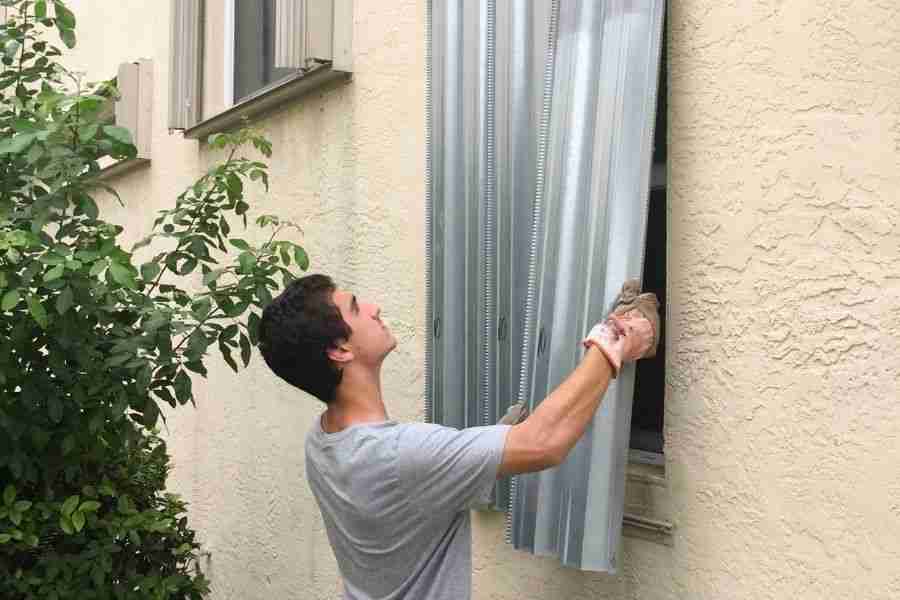
A weekend of prep now can spare your Cypress home major storm damage later.
Why Cypress Faces Extra Hurricane Risk
Cypress sits on flat, clay-heavy ground that drains slowly, which makes flooding the top hurricane threat here. Storm surge, heavy rain, and swollen bayous all push water toward homes. The National Hurricane Center tracks surge risk for the Gulf every season. Knowing your risk is step one.
Older Cypress neighborhoods and newer subdivisions both flood, just for different reasons. Some sit near creeks. Others have drainage that cannot keep up with a Gulf downpour. A slow storm can drop a foot of rain in a day, and all that water has to go somewhere.
| Local Risk Factor | Why It Matters |
|---|---|
| Flat, clay-heavy soil | Water pools and drains slowly after heavy rain |
| Nearby creeks and bayous | Rising channels can back water into streets |
| Heavy Gulf rainfall | One storm can flood a whole neighborhood |
| Fast local growth | More pavement means less ground to soak up water |
Already watching a storm in the Gulf? Do not wait to make a plan. Our Cypress crew answers calls day and night, all year long. We proudly serve restoration services in Cypress and the greater Houston metro.
Your Cypress Hurricane Prep Checklist
The best hurricane prep protects your home from water first, then covers your family and your records. Start early, before a storm even has a name. Most of these steps take a weekend, and they pay off the second water starts rising. Here is the checklist we give our own neighbors.
Pair these local steps with the federal flood preparedness guide from Ready.gov for a full picture.
5 Priorities Before the Storm
1️⃣ Guard against water intrusion
2️⃣ Clear drainage and prep the yard
3️⃣ Protect documents and valuables
4️⃣ Pack a hurricane kit
5️⃣ Know your shutoffs and safe zones
1. Guard Against Water Intrusion
Water finds the smallest gaps. Check that doors and windows still seal tight, and reseal any worn weather stripping. Move rugs and low furniture up off the floor in rooms that have flooded before. Our water damage restoration pros can flag weak spots worth sealing.
2. Clear Drainage and Prep the Yard
Clogged drainage turns a normal rain into an indoor flood. Clean gutters and downspouts so water flows away from the foundation. Trim dead branches, and bring patio furniture, grills, and loose items inside before winds pick up. Our guide on ways to prevent flooding in a Houston home has more local tips.
3. Protect Documents and Valuables
Wet paperwork is a nightmare. Scan or photograph insurance policies, IDs, and home records, then save copies to the cloud. Keep the originals in a waterproof box, and snap a few photos of each room too. It really helps if you ever file a claim.

Build your hurricane kit early, before the local stores sell out.
4. Pack a Hurricane Kit
A good kit keeps your family safe if the power and water go out. Build it before the shelves empty.
- ✅ Three days of water and non-perishable food.
- ✅ First aid, medications, cash, and key papers in a waterproof bag.
- ✅ Flashlights, batteries, and a charged power bank.
5. Know Your Shutoffs and Safe Zones
When a storm hits, you want to act fast, not go hunting for the water valve. Find your main water shutoff, your electrical panel, and your gas shutoff today. Pick an interior room, away from windows, as your safe spot. Share the plan with everyone at home.
What to Do When Water Still Gets In
If water reaches your home despite good prep, act fast, because damage spreads by the hour. Get people and pets to safety first. Once it is safe, document everything with photos, then call a restoration crew. Fast drying stops mold and protects your floors, walls, and belongings.
Standing water and soaked drywall feed mold fast. Within a day or two, spores can spread behind walls and under floors before you notice. Our mold remediation crew can contain and clean it the right way. Texas law also requires that any mold testing be done by a licensed, independent inspector, so your results stay unbiased.
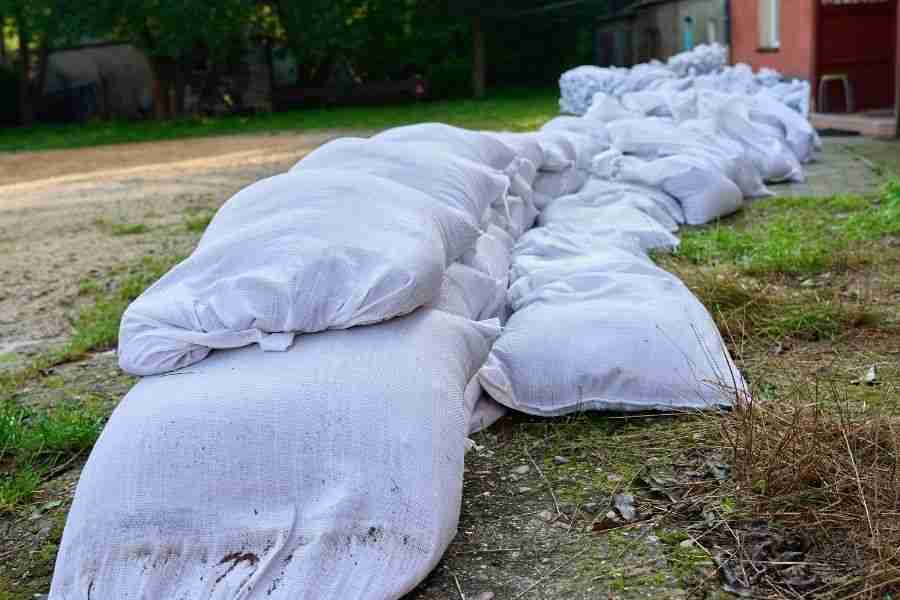
Sandbags won’t stop a major flood, but placed right they can steer water away from doorways and buy your home some breathing room.
You do not have to handle any of this alone. For a season-long plan, read our full guide to preparing for Houston hurricane season.
Hurricane season is a marathon, not a sprint. Get your Cypress home ready now, and you will rest easier when the forecast turns ugly. If a storm does hit and you need help fast, our 24/7 team is one call away. We will help you get back to normal, one project at a time.
Cypress Hurricane Prep FAQ
When should I start preparing my Cypress home for hurricane season?
Start before the season opens on June 1. Early prep keeps you out of the last-minute rush for empty store shelves. Most steps take just a weekend.
Does homeowners insurance cover hurricane flooding in Cypress?
Standard homeowners policies usually do not cover rising flood water. You often need separate flood insurance, and it can carry a waiting period, so buy it well before a storm forms. Check your policy today, not during a warning.
What should I protect first from a hurricane?
Focus on keeping water out. Flooding causes the most hurricane damage to Cypress homes, and it is the hardest to undo. Seal entry points, clear your drainage, and move valuables up high.
How fast can mold grow after hurricane flooding?
Mold can start growing within 24 to 48 hours of water exposure. Our humid Houston air speeds that up. Fast drying and quick cleanup are what keep a small problem from becoming a big one.