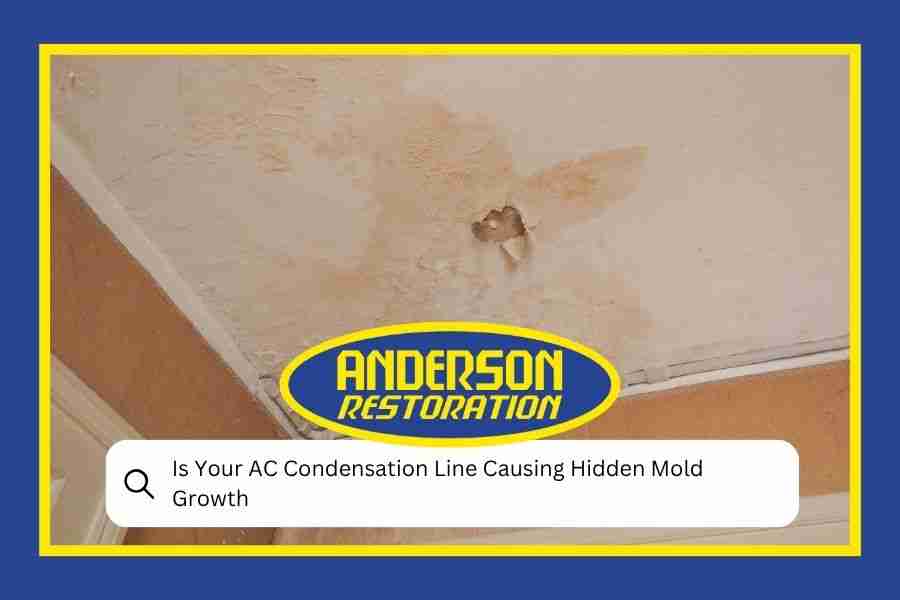
Jump To:
Your AC condensation line can absolutely cause hidden mold growth, and in our humid corner of Texas, it happens more often than most homeowners realize. When that drain line clogs or leaks, it dumps moisture into walls, ceilings, and attic spaces, which is basically a free vacation package for mold spores. We’ve walked into plenty of Houston area homes where the owner had no idea their HVAC system was the culprit until professional mold remediation uncovered the source.
At Anderson Restoration, we’ve been handling moisture damage across North and West Houston since 2002. Our IICRC-certified team can usually spot HVAC-driven mold within minutes of walking through a home.
What an AC Condensation Line Actually Does
The condensation line is a small PVC pipe that carries water away from your air conditioner’s evaporator coil. Every time your AC cools the air, it pulls humidity out, and that water has to drain somewhere, usually outside or into a utility drain.
In summer, a single AC unit can produce 5 to 20 gallons of water per day. When the system works right, you’d never know. When it doesn’t, you’ve got a slow leak hiding inside a ceiling or wall.
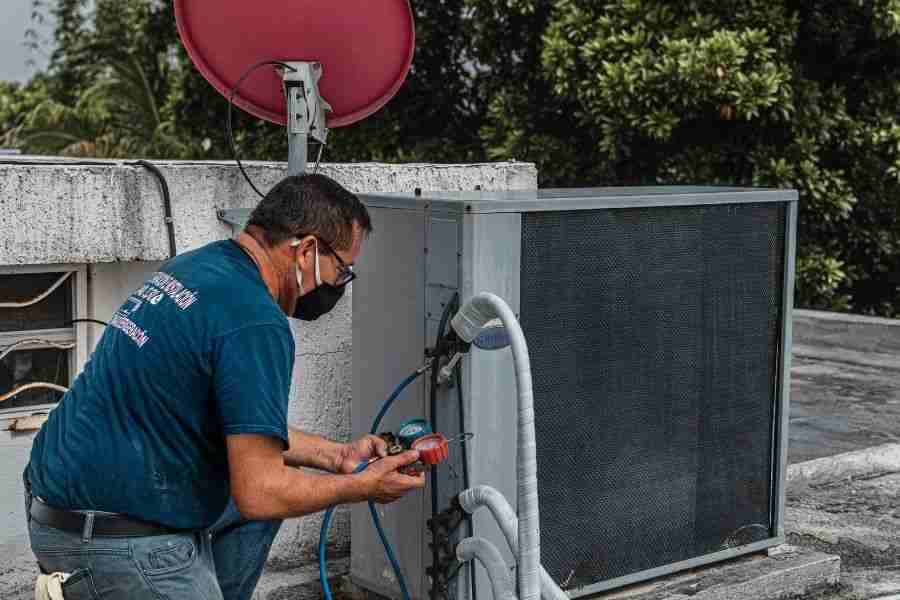
A small clog or crack in the condensation line can redirect gallons of daily runoff into a ceiling or wall.
How Your Condensation Line Causes Hidden Mold
Mold needs three things to grow: moisture, organic material (drywall, wood, dust), and a stable temperature. Your air handler closet checks every box. According to the EPA’s guide to mold and moisture, mold can start developing within 24 to 48 hours of moisture exposure.
Here’s what usually goes wrong:
- Clogged drain line: Algae and biofilm build up inside the pipe, backing water into the drain pan.
- Cracked or disconnected pipe: A loose fitting in the attic dumps water onto insulation and drywall for weeks.
- Failed drain pan: The secondary pan rusts through or cracks, sending water onto the ceiling below.
- Improper slope: If the line isn’t pitched right, water pools instead of draining.
- Dirty evaporator coil: A grimy coil over-condenses and ices over, then drips heavily when it thaws.
Because most of these issues happen in attics, mechanical closets, or behind walls, the damage builds silently. By the time a stain shows up on the ceiling, mold has often been growing for weeks.
| Hidden Mold Timeline From a Leaking Condensation Line | |
| 24-48 Hours Mold spores activate on damp drywall and wood. | 3-7 Days Visible colonies develop, musty odor drifts through vents. |
| 2-4 Weeks Structural damage and ceiling staining become visible. | 1-3 Months Major remediation and reconstruction needed. |
Suspect hidden moisture damage?
Our IICRC-certified team responds 24/7 across the Houston metro.
Warning Signs You Shouldn’t Ignore
Most HVAC moisture problems telegraph themselves before the ceiling caves in. Here are the signs we tell every homeowner in Cypress and the surrounding service area to watch for.
Musty smell near the AC vents
If the air coming out of your vents smells like a damp closet, mold is growing somewhere in the system. The odor usually gets stronger when the AC kicks on.
Water stains on ceilings or near the air handler
Yellow or brown rings on the ceiling under your attic unit are a giveaway. Same goes for damp spots on the wall next to a closet air handler.
Higher humidity inside the house
If your AC runs but the house still feels sticky, the system may be struggling to drain. Our guide on whether a dehumidifier helps prevent mold covers what to do next.
Allergy flare-ups indoors
Sudden coughing or sneezing that only happens at home can point to mold circulating through the ducts. If water reached the ducts themselves, our notes on water in your air ducts cover the cleanup side.
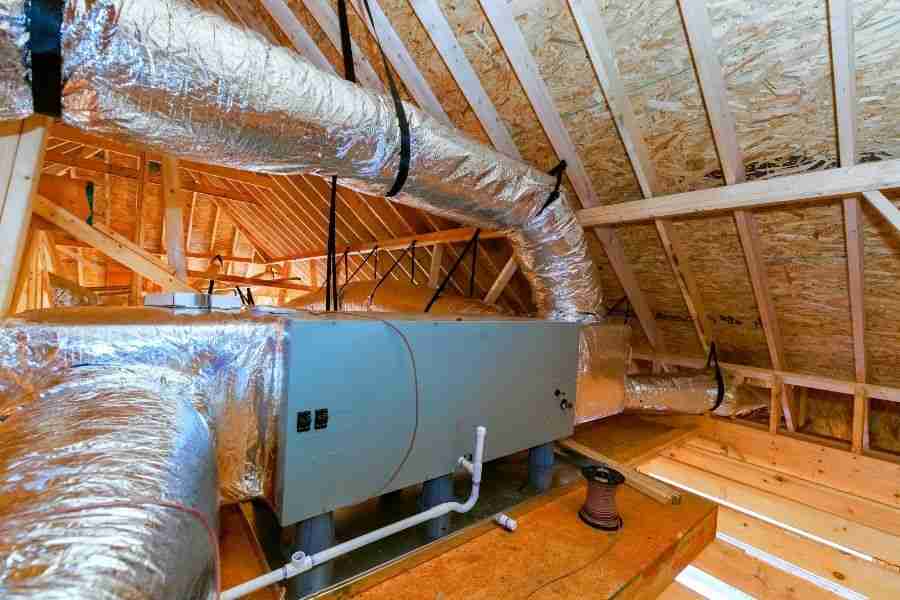
Most Houston homes hide the air handler in the attic. That also hides every drip from the condensation line until the ceiling below gives it away.
Other HVAC Moisture Issues to Watch
The condensation line isn’t the only HVAC component that causes moisture problems. Below is a quick reference for the issues we see most often during water damage cleanups.
| HVAC Issue | Where It Shows Up | Mold Risk |
|---|---|---|
| Clogged condensation line | Ceiling, attic, drain pan | High |
| Frozen evaporator coil | Air handler, surrounding insulation | High |
| Leaky ductwork | Attic, ceiling cavities | Moderate |
| Undersized AC unit | Whole-home humidity | Moderate |
| Poorly sealed return air | Attic, behind drywall | Moderate to high |
How to Prevent Condensation Line Problems
Most of these issues are easy to head off with basic upkeep. Here’s the checklist we share with homeowners:
Quarterly Homeowner Checklist
- Flush the condensation line with a cup of white vinegar every 3 months
- Check the drain pan for standing water during summer months
- Replace air filters every 30 to 60 days
- Have the system professionally serviced once a year
- Glance at the ceiling under your attic unit during routine cleaning
- Listen for gurgling sounds from the air handler closet
For a broader look at where mold likes to hide, our guide to hidden mold hotspots in your house walks through every common spot. Most of them share one thing: a moisture source nobody’s checking.

Pull the cover off your indoor unit once a year. A clean coil and a clean drain pan are the two things that keep moisture out of your walls.
When to Call in the Professionals
If you see active mold, smell something musty near your air handler, or notice water damage on ceilings or walls, it’s time to bring someone in. Mold spreads fast in the humid Houston metro climate. Per IBHS research on moisture intrusion, controlling water sources inside the building envelope is one of the most important steps for protecting a home long term.
Our team handles the full process: locating the source, removing damaged materials, drying the space, and remediating mold. Texas law requires a licensed third party for mold testing, and we’ll coordinate that if needed.
Frequently Asked Questions
Can I clear an AC condensation line myself?
Yes, usually. Pour a cup of distilled white vinegar into the access port, let it sit for 30 minutes, then flush with warm water. If the line still won’t drain or water has already leaked into a ceiling, call a professional.
How quickly does mold grow from a leaking condensation line?
Mold can start growing within 24 to 48 hours of moisture contacting drywall, wood, or insulation. A slow condensation leak often goes unnoticed for weeks, which is why hidden HVAC mold is so common.
Does homeowners insurance cover AC condensation line damage?
Coverage varies. Sudden, accidental leaks are often covered, but long-term seepage or maintenance neglect usually isn’t. We work directly with carriers and can help you understand your policy.
Will mold from my HVAC system spread to the rest of the house?
Yes, and that’s the bigger concern. Since the air handler circulates air through the home, mold spores near a leaking line spread room to room through the ductwork. The sooner you address the source, the less the contamination spreads.
If you suspect your AC condensation line is causing hidden mold or water damage, our team at Anderson Restoration is ready around the clock. Give us a call and we’ll send someone out to assess it.