Preparing for Storms & Houston Hurricane Season
Table of Contents
The Purpose of Storm Damage Repair Services
Storm damage repair services are vital for fixing homes and buildings damaged by hurricanes and heavy rains. They include repairing roofs, windows, and structures, and addressing water damage and mold. The goal is to restore safety and functionality, preventing further damage and protecting residents from hazards, especially in the Houston’s hurricane season.
In Houston, Texas, these services are crucial due to frequent severe weather. For instance, Hurricane Harvey in 2017 caused $125 billion in damage. Recently, in July 8, 2024, Hurricane Beryl, a category 1 hurricane; hit Houston, causing $600 million in damages, severe flooding, power outages for over 2.5 million people, and extensive property damage. Recovery and restoration efforts are ongoing, with federal assistance helping residents and local governments (The Texas Tribune) as well as local restoration companies like Anderson Restoration.
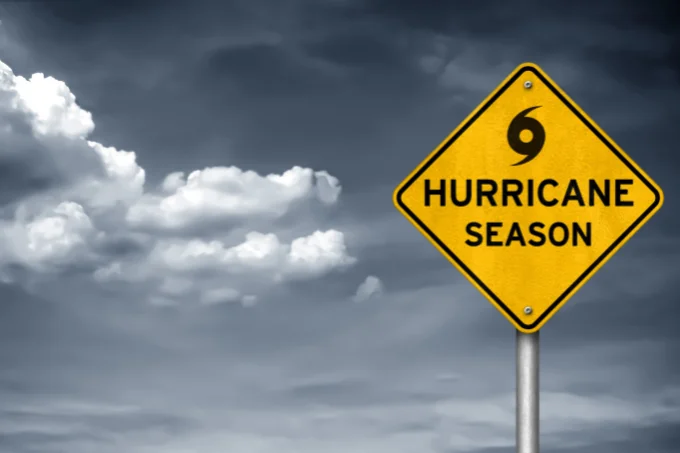
Tropical Storms vs Hurricanes
Tropical storms and hurricanes are both powerful weather systems known as tropical cyclones, originating over warm ocean waters near the equator. The primary difference lies in their intensity and characteristics:
Call now to speak with a restoration expert about your concerns. We’re ready to help!
What is a Tropical Storm?
Tropical storms are a type of tropical cyclone with wind speeds ranging from 39 to 73 mph. While they can bring heavy rainfall and cause flooding, their impact is generally less severe compared to hurricanes. Tropical storms often lead to localized flooding, power outages, and damage to infrastructure, but they usually do not have the same level of destructive force.
What is a Hurricane?
Hurricanes are more intense tropical cyclones with wind speeds of 74 mph or higher. They are categorized into five levels:
- Category 1: 74-95 mph winds; can cause damage to roofs, siding, and trees.
- Category 2: 96-110 mph winds; can cause extensive damage to buildings and infrastructure.
- Category 3: 111-129 mph winds; can cause devastating damage to homes and utilities.
- Category 4: 130-156 mph winds; can cause catastrophic damage, including structural damage to buildings.
- Category 5: 157+ mph winds; can cause total destruction of buildings, widespread power outages, and long-term uninhabitability of affected areas.
Hurricanes bring heavy rainfall, storm surges, and high winds, leading to widespread destruction, extensive flooding, and long-term disruptions. The severity of their impact depends on their category, with higher categories causing more extensive damage and longer recovery times.
Key Differences:
- Wind Speed: Tropical storms have lower wind speeds (39-73 mph) compared to hurricanes (74+ mph).
- Destructive Potential: Hurricanes are significantly more destructive, with potential for catastrophic damage, while tropical storms generally cause localized and less severe damage.
- Categorization: Hurricanes are categorized into five levels based on wind speed, while tropical storms are not categorized beyond their wind speed range.
When is Houston's Hurricane Season?
Houston, like many other coastal areas along the Gulf of Mexico and Atlantic Ocean, experiences hurricane season annually. The official hurricane season for the Atlantic Basin, which includes the Gulf of Mexico, runs from June 1st to November 30th each year. This period is when conditions are most favorable for the formation and intensification of tropical cyclones, including hurricanes and tropical storms.


How to Prepare for Storms and Houston Hurricane Season?
Make a Plan:
- Create an evacuation plan and identify alternative shelters.
- Store important documents in waterproof bags.
- Stock up on non-perishable food and bottled water for three days.
- Prepare a first aid kit, portable chargers, rain ponchos, and cash.
- Trim trees around your property to prevent damage.
- Check local resources for tailored guides.
Prepare for Power Outages:
- Stock up on candles, matches, and flashlights.
- Consider a portable generator, and learn how to use it safely.
- Install carbon monoxide detectors if using a generator.
Flood Preparedness:
- Check FEMA flood maps for your area’s risk.
- Know Houston’s evacuation zones and routes.
- Monitor local flood warnings and prepare accordingly.
- Take photos of your home for insurance purposes.
Houston Zip Codes Hurricanes Affect The Most:
In Houston, several ZIP codes are historically more vulnerable to the impact of hurricanes and tropical storms. Some of the ZIP codes that have been notably affected in the past include those in low-lying coastal areas and areas prone to flooding. Specific ZIP codes may vary depending on the storm’s track and intensity, but generally, areas closer to the coast and along flood-prone areas such as bayous and rivers are more susceptible.
For the most accurate and current information regarding which ZIP codes are most affected by hurricanes in Houston, it’s recommended to refer to local emergency management resources, such as the Houston-Galveston Area Council (H-GAC) or the city’s official emergency preparedness guides. These resources often provide detailed maps and evacuation zone information that can help residents understand their level of risk and plan accordingly.
- 77002
- 77003
- 77004
- 77009
- 77011
- 77019
- 77023
- 77026
- 77027
- 77029
- 77061
- 77087
Why Are Storm Damage Repair Contractors Necessary?
Storm damage repair contractors like Anderson Restoration are crucial for their expertise in assessing and fixing various types of storm-related damage, including roofs, siding, and interior repairs like flooring and drywall and any hurricane damage restoration that needs to happen. We ensure safety while efficiently managing repairs, which helps prevent further damage and mitigates risks like mold growth.
Additionally, our team assist homeowners in navigating insurance claims, ensuring fair compensation, and facilitating timely restoration, ultimately providing peace of mind that properties are being restored effectively after storms.

Frequently Asked Questions:
Difference between hurricane and typhoon?
Hurricanes and typhoons are both types of tropical cyclones, but they differ based on their location:
- Hurricanes occur in the Atlantic Ocean and the northeastern Pacific Ocean.
- Typhoons occur in the northwestern Pacific Ocean.
Both have the same characteristics, such as strong winds, heavy rainfall, and potential for significant damage, but the terminology changes depending on the region.
Is Houston expecting a another hurricane soon?
Hurricane season runs between June 1st and November 30th, it is common to have multiple back to back tropical storms and hurricanes between that period of time. To find out if Houston is expecting another hurricane soon, it’s best to check the latest forecasts from reliable sources like the National Hurricane Center (NHC) or local weather services.
How can i prepare before our hurricane cleanup company comes?
Preparing before a hurricane cleanup company arrives involves several steps to ensure safety and efficiency:
- Document Damage: Take photos and videos of all damage for insurance purposes.
- Safety First: Ensure all electrical appliances are turned off and avoid standing water that could be electrically charged.
- Clear Access: Make sure the area is accessible for the cleanup crew. Clear debris and any obstacles that might hinder their work.
- Salvage Important Items: Remove and safely store important documents, valuables, and undamaged personal items.
- Ventilation: Open windows and doors to ventilate the area if safe to do so, helping to reduce moisture and prevent mold growth.
- Follow Instructions: Adhere to any specific guidelines provided by Anderson Restoration for safety and preparation.


Can You Stay in Your Home During Fire Damage Restoration

How Professional Dehumidification Works After Water Damage
We’re ready to answer your questions. Please submit the online form below to speak with an Anderson Restoration professional.