What are the Benefits and Purpose of a Sump Pump?
Table of Contents
What is a Sump Pump?
Are you also wondering what’s the purpose of a sump pump and if you need one?
A sump pump is a device installed in the lowest part of a basement or crawlspace. Its primary purpose is to prevent flooding and water damage. It collects and removes water that builds up in a sump basin, which usually happens because of rain, groundwater, or plumbing leaks. The pump then directs the water away from the building to keep the area dry, ensuring the protection of your property and maintaining a safe and healthy living environment.
While most places like Houston, TX, where there’s not a lot of basements may not need a sump pump during water removal and drying, but it is important to know what it is in case one is installed in your home.

Common Types Of Sump Pumps
There are two main types of sump pumps:
The submersible sump pump:
The submersible sump pump is installed inside the sump pit and sits in the water. It’s usually quieter and takes up less space.
This type is great for homes with finished basements or where reducing noise is important, as it runs quietly and discreetly.
The submersible sump pump:
Pedestal Sump Pump: This type has the motor above the sump pit, making it easier to service. It is often louder than the submersible pump.
This type of flooring is ideal for homes that have unfinished basements or crawlspaces. Plus noise is not a concern with this type of flooring.
How Can A Restoration Company Use A Sump Pump
Water Removal and Drying Process
When flooding occurs, it’s important to act fast to minimize damage. We can use sump pumps to quickly remove water from flooded basements or crawl spaces. This prevents further harm to the property’s structure and belongings. After most of the water is gone, the area is dried using the sump pump along with fans and dehumidifiers. Thorough drying is key to avoiding problems like warped floors, rotting wood, and mold growth, ensuring the home is safe to live in again.
Temporary Installation and Permanent Solutions
If there’s a risk of more water coming in during restoration, a temporary sump pump might be set up to handle it. This protects the home while repairs are ongoing. After the immediate danger is over, a permanent sump pump system may be recommended to prevent future flooding. These systems are designed to fit the specific needs of the property, making sure water is managed effectively over the long term.
Outdoor Flooding and Drainage Systems
Sump pumps are also useful outdoors, helping to manage flooding in yards and gardens. When water pools in these areas, it can cause damage by seeping into the home. A sump pumps can be use to remove this water and direct it away from the property. For areas with ongoing water issues, sump pumps can be part of a larger drainage system, collecting water from the yard and safely moving it to a spot where it won’t cause problems. This helps keep the property dry and reduces the risk of flooding during heavy rain.
Call now to speak with a restoration expert about your concerns. We’re ready to help!
Problems with Poorly Installed Sump Pumps
It’s important to know that sump pumps are not perfect and can sometimes break down. Poor installation can make these problems worse and lead to serious issues. Knowing the common reasons why sump pumps fail and how to fix them can help you avoid expensive repairs and water damage.
Here are some common causes of sump pump failure and their solutions:
Improper Installation: If not installed correctly, the sump pump might not remove water efficiently, leading to water buildup and potential flooding, which can cause water damage.
Incorrect Positioning: A sump pump that isn’t positioned correctly within the pit may not activate at the right time, allowing water levels to rise too high, resulting in water damage.
Improper Sealing: If the sump pump or its components are not sealed properly, water can leak around the pump instead of being directed out of the building, causing water damage in the basement or crawlspace.
Faulty Discharge Pipe: A poorly installed discharge pipe can clog or disconnect, causing water to back up into the sump pit and overflow, leading to water damage.
Water Restoration By Anderson Restoration
While some minor water damage can be handled by homeowners, seeking professional assessment and water restoration services is often best. Experts have the tools and knowledge to accurately determine the extent of the damage, including any hidden issues. Our thorough examination and analysis ensure that all repairs are correctly done, addressing even the damage that may not be immediately visible. Our Skilled professionals can make comprehensive repairs to fix and reinforce damaged areas, ensuring the structural integrity of your home.
Whether you have a small leak or a much larger problem, contact Anderson restoration today!
Frequently Asked Questions:
Can a sump pump work during a power outage?
Yes, sump pumps can work during power outages if they are equipped with a battery backup system. This ensures the pump continues to operate during storms when power failures are most likely to occur.


Can You Stay in Your Home During Fire Damage Restoration

How Professional Dehumidification Works After Water Damage
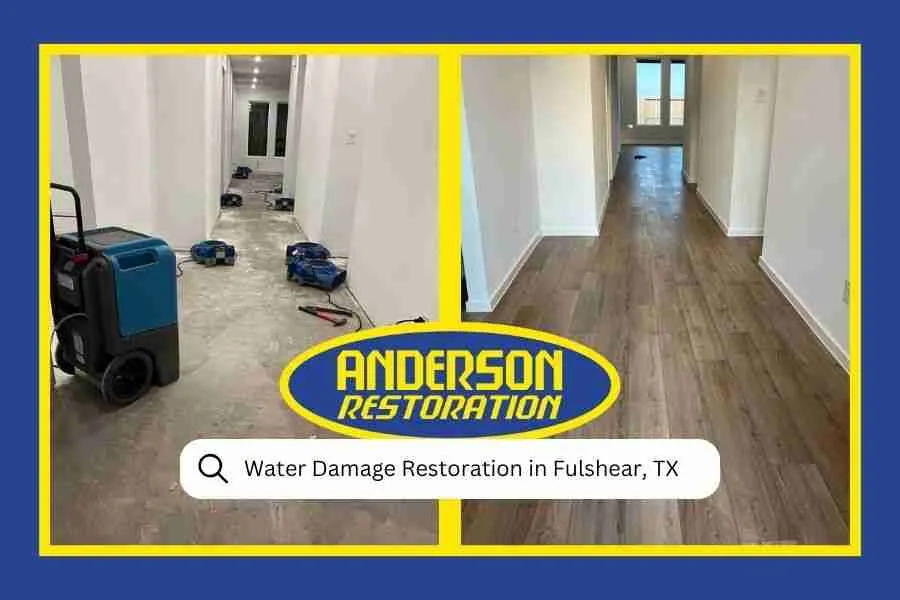
Water Damage Restoration in Fulshear, TX
6 Hidden Costs in Fire Damage Restoration Projects
We’re ready to answer your questions. Please submit the online form below to speak with an Anderson Restoration professional.