How Can Water Leaking From Ceiling & Walls Causes Water Damage?
Table of Contents
The Process of Water Damage and Leaks
A ceiling water leak can cause significant damage to your property. Although the process might seem slow initially, over time, the effects can be severe.
Here is a comprehensive explanation of how this process works:
Water Penetration
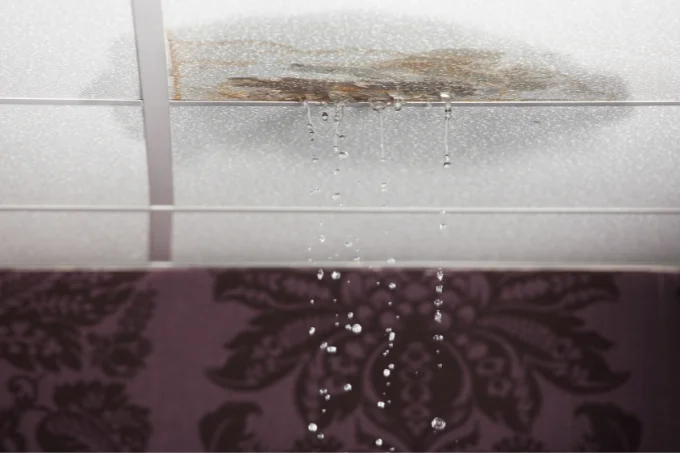
When water from wall leaks, it allows water to penetrate building materials such as drywall, plaster, and wood. These porous materials absorb water quickly, leading to immediate and visible damage.
Material Saturation
As the water continues to infiltrate, it saturates the materials. Drywall, for example, can absorb water like a sponge, becoming soft and weak. Wood can also absorb water, leading to swelling, warping, and eventually rotting.
Loss of Structural Integrity
The absorbed water causes the materials to lose their structural integrity. Drywall may start to sag, bubble, or crumble. Wooden structures, such as studs or beams, may warp and weaken, which can compromise the overall stability of the wall or ceiling.
Staining and Discoloration
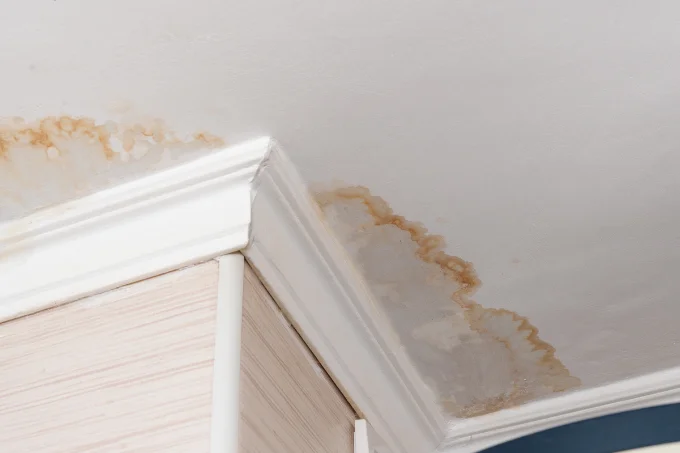
One of the first visible signs of water damage is staining and discoloration. Water stains on ceilings and walls are yellow or brown patches, showing water is seeping through and collecting in those spots.
Peeling and Bubbling Paint
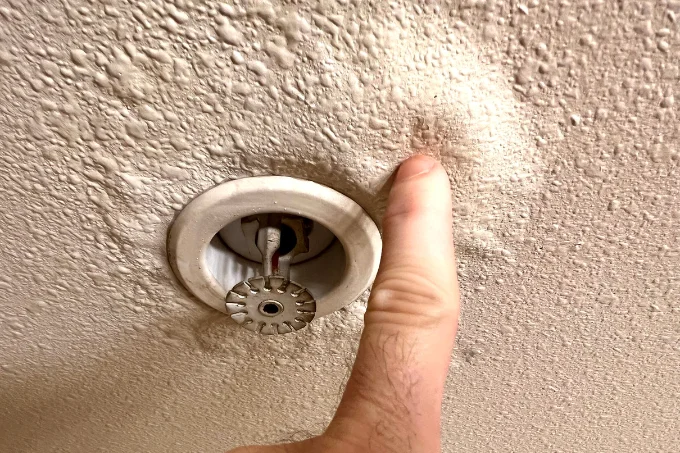
As water continues to saturate the wall or ceiling, it can cause the paint to peel or bubble. This happens when water underneath the paint layer pushes it off the surface. This causes the paint to look bad and become damaged.
Mold Growth
Wet conditions create an ideal environment for mold growth. Mold spores can quickly spread and thrive on wet surfaces, leading to further damage and health risks for the inhabitants. Mold can cause respiratory issues, allergic reactions, and other health problems.
Rotting and Decay
Over time, if the water damage is not addressed, the constant moisture can lead to the rotting and decay of wooden structures. This can severely compromise the safety and stability of the affected areas, making repairs more extensive and expensive.
When there’s a leak in the ceiling, several problems can arise. The water makes the ceiling heavier, causing it to sag or even collapse in severe cases. Additionally, a wet ceiling is perfect for mold growth, which can spread quickly and be harmful to health. Mold contamination is likely if the ceiling isn’t dried thoroughly and quickly.
Early Signs of Water Damage to Walls and Ceilings
Detecting water damage early can save you from extensive repairs and costly restoration. Here are five early signs of water damage to watch out for:
Discoloration: Look for patches of discoloration or water leaking from the ceiling. These spots might appear yellowish or brown and are often the first visible signs of water damage.
Peeling or Bubbling Paint: If you notice paint starting to peel or bubble, it might indicate that water is trapped behind the wall or ceiling, pushing the paint away from the surface.
Musty Odor: A persistent musty smell is often a sign of mold growth caused by excess moisture. This odor usually intensifies over time and is a strong indicator of hidden water damage.
Warping or Buckling: Walls and floors that appear warped or buckled are typically suffering from prolonged exposure to water. This distortion happens when building materials absorb water and swell, changing their shape.
Soft or Spongy Surfaces: If you press on a wall or floor and it feels soft or spongy, it’s a clear sign that the material has absorbed a significant amount of water and is deteriorating from the inside.
Water Damage Leaks and Its Impact on Structure
Water damage can happen in various forms and significantly impact your property’s structure.
Here’s a simplified breakdown:
Pipe Leaks
Can cause water to seep into walls, floors, and ceilings, leading to mold growth, wood rot, and deterioration of drywall. Persistent leaks can weaken the structural integrity of the building.
Appliance Leaks
Water from malfunctioning appliances like dishwashers leaking can damage flooring, subflooring, and adjacent cabinetry. Prolonged exposure can lead to mold growth and wood rot, compromising the structural components.
Roof Leaks
Roof leaks can result in water infiltration into the attic and down through the ceilings and walls. This can cause insulation damage, wood rot in rafters and joists, and ceiling collapse if left untreated.
Window and Door Leaks
Leaks around windows and doors can cause water damage to surrounding walls and floors, leading to mold growth, wood rot, and damage to interior finishes. Over time, structural framing around windows and doors can be compromised.
Attic Leaks
Leaks in the attic can damage insulation, wooden beams, and ceiling structures. Over time, this can lead to mold growth, wood rot, and weakened structural integrity of the roof and ceiling.
Call now to speak with a restoration expert about your concerns. We’re ready to help!
HVAC System Leaks
Water leaks from HVAC systems can cause damage to floors, walls, and ceilings. Condensation and water pooling can lead to mold growth and deterioration of structural materials if not addressed promptly.
How Do We Fix Water-Damaged Walls?
Assessment and Inspection: Identify water source and extent of damage.
Water Extraction: Remove standing water and dry affected areas.
Removal of Damaged Materials: Take out wet drywall and insulation.
Cleaning and Disinfection: Clean surfaces and apply antimicrobial treatments.
Drying and Dehumidification: Ensure thorough drying using equipment.
Repairs and Restoration: Fix structural damage and replace materials.
Painting and Finishing: Prime and paint walls to restore appearance.
Prevention Measures: Address the source of damage and offer preventive advice.
Professional Assessment and Water Restoration
While some water damage repairs in Houston can be handled by homeowners, seeking professional assessment and water restoration services is often best. Experts have the tools and knowledge to accurately determine the extent of the damage, including any hidden issues. Our thorough examination and analysis ensure that all repairs are correctly done, addressing even the damage that may not be immediately visible. Our Skilled professionals can make comprehensive repairs to fix and reinforce damaged areas, ensuring the structural integrity of your home.
Whether you have a small leak or a much larger problem, contact Anderson restoration today!
Frequently Asked Questions:
How to know if there's water damage on the ceiling?
To detect water damage on the ceiling without using sight, rely on other senses and methods. Feel for any dampness or softness in the ceiling material by lightly pressing on it. Listen for dripping sounds or unusual noises that might indicate water presence. Pay attention to any musty or moldy odors, which often accompany water damage.


Can You Stay in Your Home During Fire Damage Restoration

How Professional Dehumidification Works After Water Damage
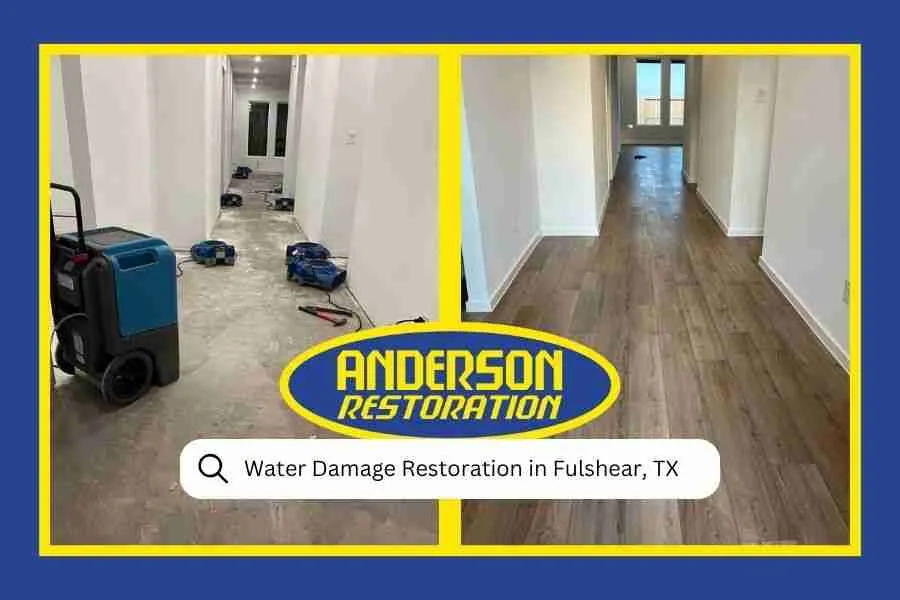
Water Damage Restoration in Fulshear, TX
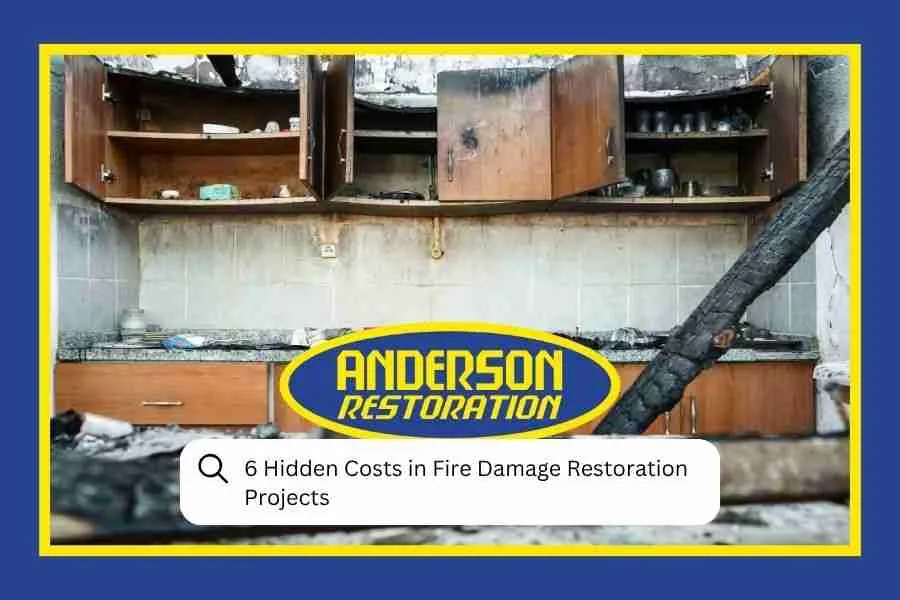
6 Hidden Costs in Fire Damage Restoration Projects
We’re ready to answer your questions. Please submit the online form below to speak with an Anderson Restoration professional.