Jump To:
Here in the Houston metro, water softeners earn their keep. They protect your pipes, appliances, and skin from the mineral-heavy water our area is famous for. But here’s what nobody mentions at installation: a neglected softener can flood a laundry room or garage faster than almost any appliance you own. A little water softener maintenance beats a costly emergency water damage restoration job later.
We’ve taken plenty of those calls at Anderson Restoration, which is why our team put this guide together. Below are six habits that keep your softener dry and doing its job.
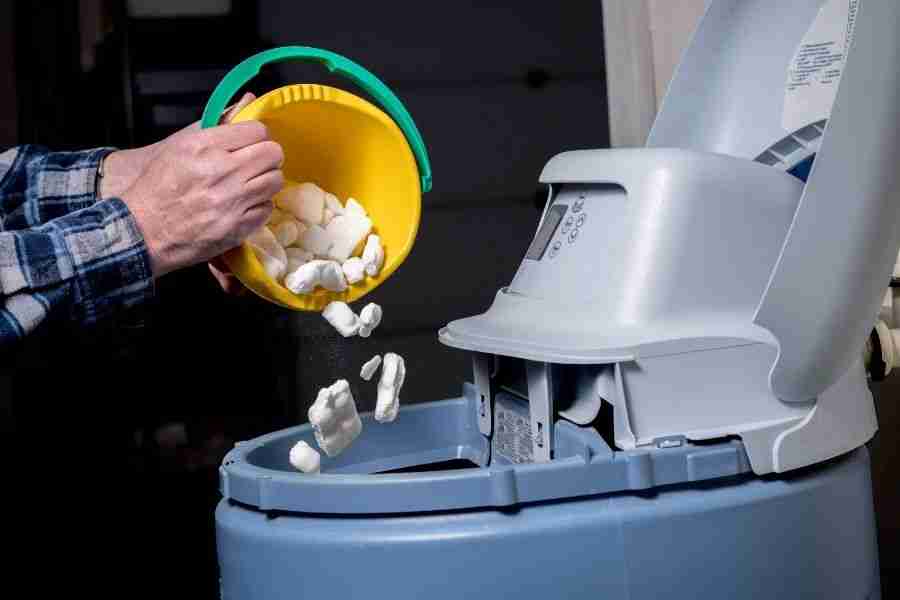
A monthly peek inside the brine tank takes two minutes and catches most problems early.
1. Check the Brine Tank Monthly
The brine tank is where things tend to go wrong first. Lift the lid once a month and check two things: salt level and any pooling water around the unit. Salt should sit a few inches below the rim. If the tank is bone dry or holding more water than salt, something deeper is off.
While you’re in there, poke the salt gently with a broom handle. If it feels rock hard or hollow underneath, you’ve got a salt bridge forming. Two minutes, big payoff.
2. Watch for Salt Bridges and Salt Mush
A salt bridge is a hard crust that forms across the top of the salt, leaving a pocket of air below. Salt mush is the opposite, a sludgy buildup at the bottom. Both block regeneration and can push the softener to overflow water it can’t use.
Break a salt bridge with a wooden broom handle. Never use anything metal or sharp that could puncture the tank. For salt mush, empty the brine tank, scoop out the sludge, and rinse with a garden hose. Once or twice a year is enough, more often in humid summers.
Already dealing with a flooded utility room?
Mold can start in drywall within 24 hours of a softener leak. Our crews are on call 24/7.
3. Inspect Hoses and the Bypass Valve
Hoses and connections are where slow leaks love to hide. Check behind the softener for moisture, white chalky mineral crusting, or soft spots in the plastic lines. The bypass valve is the lever that lets water skip the softener during service. If it’s stuck, replace it before it fails on its own.
A failed bypass during regeneration can dump dozens of gallons onto your floor before anyone notices. Tighten damp fittings, but don’t overtighten. Plastic threads strip fast. As we cover in our breakdown of small water leaks, the little drips almost always grow into something worse.
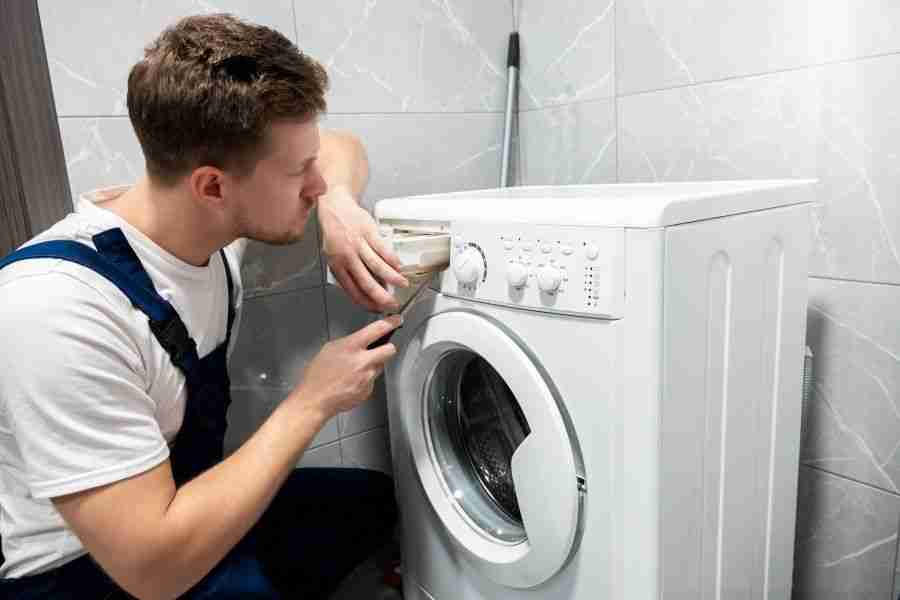
An annual look at your softener, washer, and water heater hoses costs nothing and catches the failures that flood a whole floor.
4. Don’t Ignore the Resin Bed
The resin bed is the workhorse inside your softener, and it has a shelf life. Most resin lasts 10 to 15 years in our region, though hard water and chlorine in city water can shorten that. Signs yours is wearing out: water that feels harder than it used to, longer regeneration cycles, or rust-tinted streaks at the tap.
When resin breaks down, the tank can overflow as the system struggles to flush itself. If your unit is approaching 10 years, schedule an inspection. Softeners are also one of the household appliances most likely to cause hidden mold, since they sit in garages or utility closets where leaks go unseen for weeks.
5. Protect the Unit During Houston Cold Snaps
We don’t see freezes often, but when we do (looking at you, January 2026), water softeners are some of the first appliances to fail. Plastic brine lines and inlet hoses crack when temps dip into the low 20s. If yours sits in a garage, an unheated closet, or outside, take freeze prep seriously.
Wrap exposed hoses with foam pipe insulation before the cold front arrives. Drip the faucets on softened-water lines overnight. If you’re leaving town during a hard freeze, switch the bypass to bypass mode and shut off the supply. The EPA’s guide to moisture in the home covers how fast a post-freeze leak becomes a mold problem.
6. Install a Leak Detector and Auto-Shutoff Valve
This is the upgrade we wish every Houston homeowner would make. A smart leak detector slipped under the softener catches moisture the moment it appears and pings your phone. Paired with an automatic shutoff valve on the main, the system actually stops the water for you, even when you’re not home.
For a few hundred dollars in equipment, you turn what could be a multi-day flood into a minor cleanup. If you walk away with only one habit from this post, make it this one. Add these tools to your broader flood preparedness plan, and pair the device with our guide to spotting water leaks at home.
Quick Water Softener Maintenance Schedule
| How Often | What to Do |
|---|---|
| Monthly | Check salt level, look for water around the unit, poke for salt bridges. |
| Every 6 Months | Inspect hoses and fittings for moisture, crusting, or soft spots. |
| Annually | Clean the brine tank, flush salt mush, test the bypass valve. |
| Before Freezes | Insulate lines, drip softened-water faucets, bypass if leaving town. |
| Every 10-15 Years | Replace the resin bed and have a pro evaluate the whole system. |
When Maintenance Isn’t Enough
Even the best-kept softener will eventually fail, and sometimes that failure shows up while you’re at work or asleep. If you come home to soaked drywall, warped flooring, or a musty smell, the clock starts ticking. Mold can begin growing within 24 hours.
Our mold remediation crews work alongside our water teams so one failure doesn’t turn into two restoration jobs. We’re IICRC certified, we handle insurance directly, and we’ve been doing this across the Houston metro since 2002.
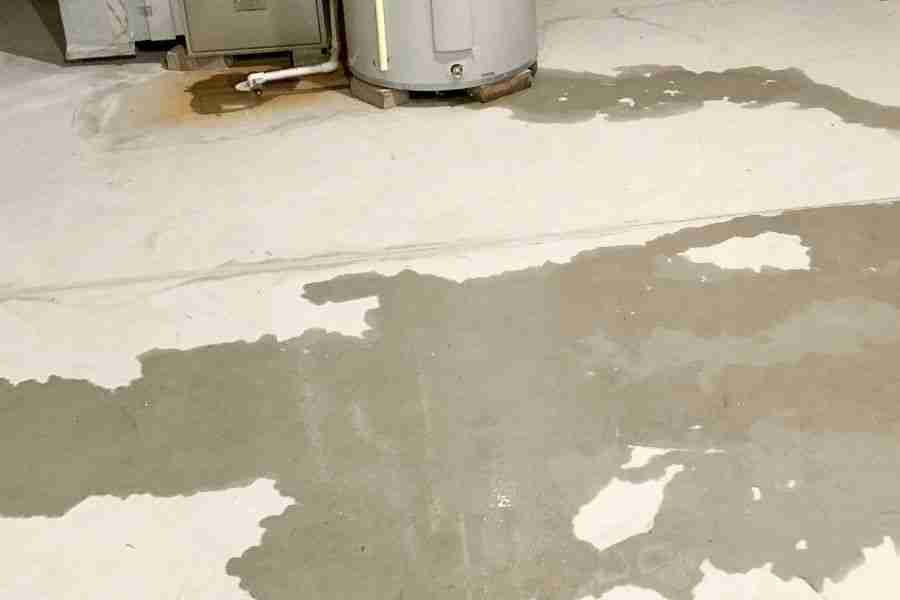
Drying the structure properly within the first 24 hours prevents secondary mold damage.
Flooded utility room? We respond in 60 minutes or less.
If your softener has already let go, our team is on call 24/7 across Cypress, Katy, Waller, Tomball, and the rest of the Houston metro. We handle insurance claims directly, so you’re not chasing paperwork while your floors warp.
Frequently Asked Questions
How often should I service my water softener?
A monthly check of the brine tank is plenty for most homeowners. Plan on a deeper cleaning once or twice a year, and bring in a professional every 3 to 5 years to inspect the resin.
Can a water softener really cause major flooding?
Yes. The most common failures involve cracked brine tanks, ruptured supply lines, and stuck regeneration valves. Any of those can dump 50 to 100 gallons per hour until someone shuts it off.
Does homeowners insurance cover damage from a water softener leak?
Most policies cover sudden, accidental damage from appliance failures, but slow leaks that develop over time are often excluded. Document everything right away and call your carrier before starting repairs.
What should I do the moment I find water around my softener?
Shut off the water at the bypass valve or the main, unplug the unit if it’s safe, and contact a trusted restoration team before water reaches drywall or subfloor.