Jump To
- Before We Arrive: What Sets the Process in Motion
- Step 1: Arrival and Damage Assessment
- Step 2: Controlling the Source and Moving Contents
- Step 3: The Water Extraction Itself
- Step 4: Structural Drying and Moisture Mapping
- Step 5: Daily Monitoring and Final Checks
- What Happens After the Extraction Visit
- Frequently Asked Questions
When water damage hits your home, the hours between the incident and the first professional water extraction visit are what decide how bad things actually get. Our team at Anderson Restoration has spent over two decades responding to soaked properties across the Houston metro, and the process is a lot more methodical than most people picture. Here’s exactly what happens when we pull up to your door.
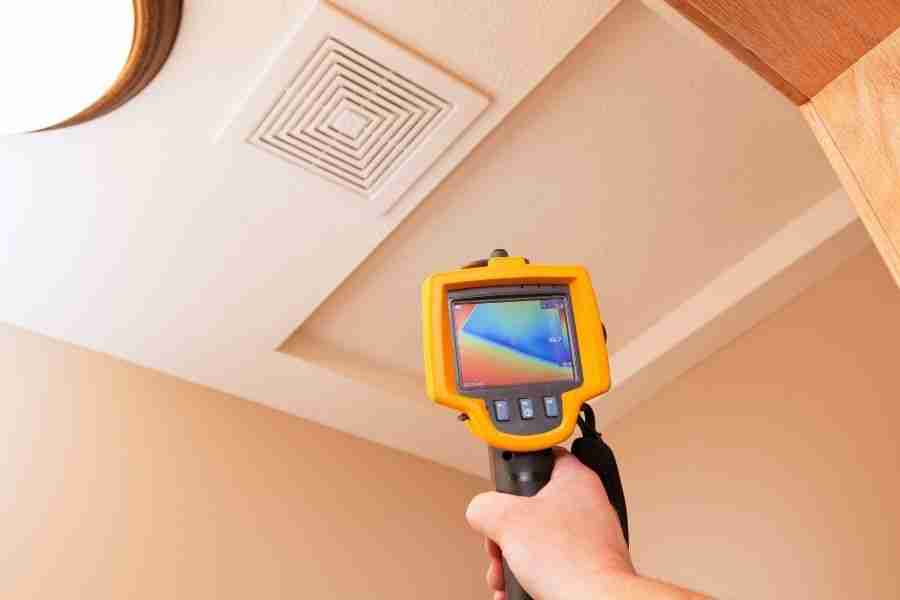
Thermal imaging pulls back the curtain on hidden wet spots so we know the drying job is actually done before we leave.
Before We Arrive: What Sets the Process in Motion
The water extraction visit actually starts the second you call us. During that first conversation, we’re already gathering the details that shape the response: source of the water, how long it’s been sitting, square footage affected, and whether anyone is still inside.
That intake determines crew size, what equipment we roll out, and how we route the truck. Our team aims to be on-site within about 60 minutes across most of the North and West Houston area. Speed matters here. According to the EPA, mold can begin growing on wet materials within 24 to 48 hours, which is why we don’t book these visits for “sometime next week.”
Step 1: Arrival and Damage Assessment
When our crew arrives, the first move is a walkthrough of the property with you. This isn’t a quick glance. It’s a full assessment that pins down the water category, the affected materials, and the true scope of the loss.
We use moisture meters and thermal imaging cameras to find water you can’t see. Drywall often looks dry on the surface while the insulation behind it stays saturated for days. Hardwood floors can hide standing water in the subfloor, and ceilings can carry hidden pockets that give way if left alone.
Once the scope is clear, we explain what we found and what needs to happen next. Nothing moves forward without your sign-off, especially when insurance is involved. For damage from a major weather event, our steps to recover from storm damage article covers what to document on your end.
Step 2: Controlling the Source and Moving Contents
Before any extraction starts, the water source has to be under control. For active leaks, that means shutting off the supply line, capping a broken pipe, or coordinating with a plumber on the way. For roof leaks, it often means a temporary tarp until permanent roofing repairs can be made.
Once the source is handled, we start protecting what’s in the affected area. Furniture gets blocked up on foam pads to keep legs out of moisture. Important items like documents, electronics, and keepsakes go on a priority list. When belongings need to leave the property for cleaning and safekeeping, our content packout services handle inventory, transport, and storage until your home is ready again.
Water Damage Won’t Wait. Neither Do We.
If your home or business is taking on water right now, getting a crew on-site within the hour is what prevents the small problem from becoming the expensive one.
Step 3: The Water Extraction Itself
This is the step people picture when they hear the phrase. Truck-mounted units and portable extractors pull standing water from floors, carpet pads, and subfloor cavities. For saturated carpet, we either extract deeply through the backing or remove the pad entirely if it’s beyond saving.
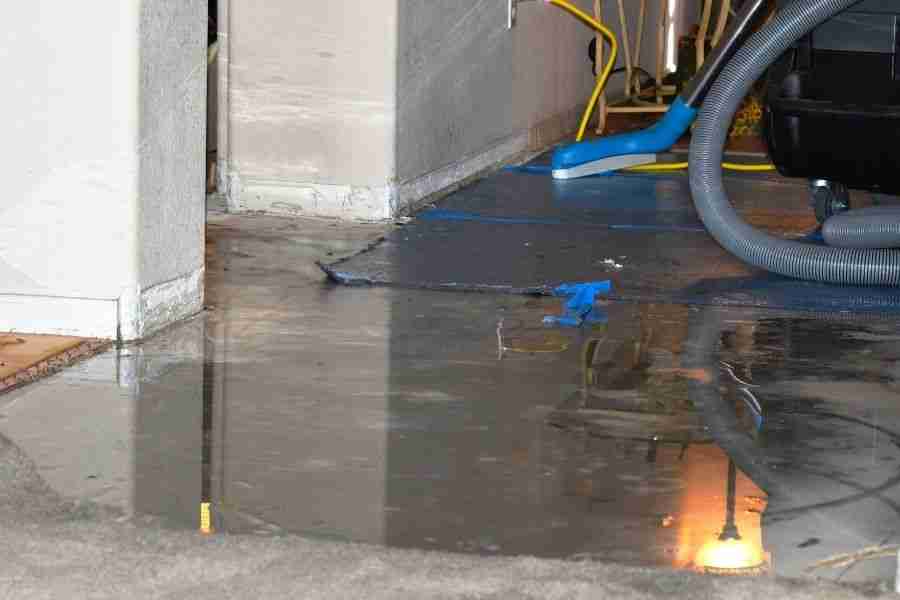
Getting the standing water out is job one – the longer it sits, the deeper it works into subfloor and baseboards.
Standing water isn’t the only problem. Water trapped inside wall cavities, under cabinets, and inside insulation causes far more long-term damage than the visible puddle. We drill small weep holes at the base of walls, pull baseboards, and lift flooring when the situation calls for it. Houston humidity works against drying the whole time, which is why we don’t stop at the obvious water.
Step 4: Structural Drying and Moisture Mapping
Once the bulk water is out, we set up the drying environment. Air movers push moisture out of materials and into the air. Commercial dehumidifiers then pull that moisture out of the air before it can redeposit into a dry part of the house. Together they create the conditions materials need to release trapped water.
We work to IICRC S500 water damage restoration standards, which is the industry benchmark our firm is certified against. Moisture mapping is how we prove a space is actually dry instead of looking dry. We log readings from affected materials and compare them to a dry baseline from an unaffected area of the home, every single day.
| Phase | Typical Timeframe | What’s Happening |
|---|---|---|
| Extraction | 2 to 6 hours | Standing water removed, equipment staged |
| Structural Drying | 3 to 5 days | Air movers and dehumidifiers running |
| Monitoring | Daily site visits | Moisture readings logged, equipment repositioned |
Contaminated water takes longer to handle and sometimes uncovers microbial growth partway through drying. When that happens, mold remediation services get added to the scope before we sign off on the job.
Step 5: Daily Monitoring and Final Checks
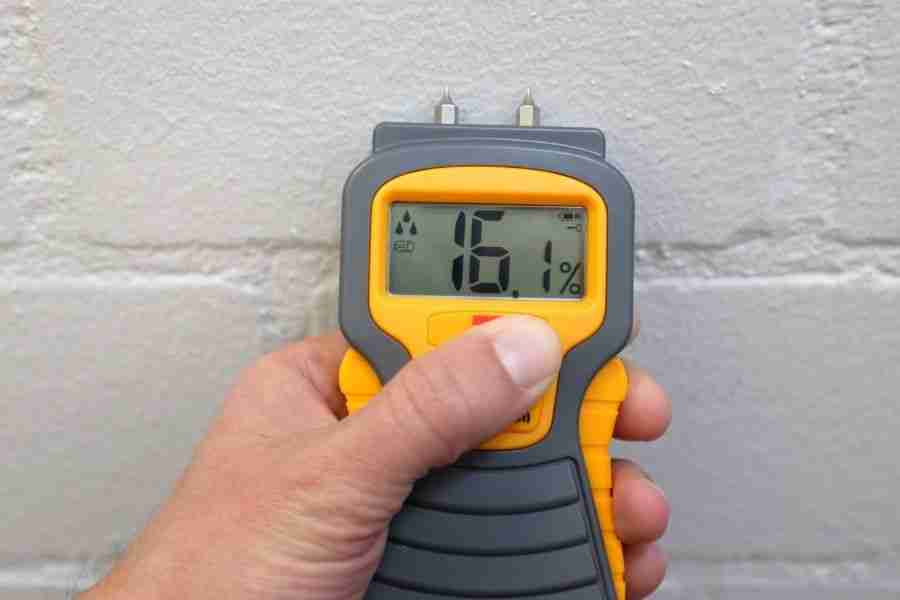
We check moisture readings throughout the visit because a wall that feels dry to the hand can still be soaking on the inside.
Our team comes back daily to log readings, shift equipment, and document progress. Your insurance adjuster will want that documentation, and we send it directly to the carrier so you don’t have to chase paperwork.
When moisture readings hit the dry standard across every affected area, the equipment comes out and we do a final walkthrough with you. From there, the job either closes out or moves into rebuild coordination.
What Happens After the Extraction Visit
Some homes need very little after drying wraps up. Others need reconstruction to replace drywall, flooring, cabinets, or insulation that couldn’t be saved. The size of that next phase depends almost entirely on how quickly the first call happened.
For a clearer picture of how extraction fits into the bigger timeline, our article on water mitigation vs water restoration is a good follow-up read. Homeowners across Cypress and the surrounding Houston metro go through this process year-round, especially during hurricane season.
Frequently Asked Questions
How long does a water extraction visit take on-site?
The extraction portion itself usually runs 2 to 6 hours depending on the square footage and how much water is in the materials. Drying equipment then stays in place for 3 to 5 days, with our crew returning daily to check moisture readings and reposition fans.
Can I stay in my home during water extraction?
In most clean water situations, yes. The equipment is noisy and the affected rooms aren’t usable, but the rest of the home is typically fine. For contaminated water or large losses, temporary lodging through your insurance is usually the safer call.
Does homeowners insurance cover professional water extraction?
Most policies cover sudden and accidental water damage, which includes the extraction and drying work. We bill carriers directly and document every reading, which keeps claims moving. Long-term leaks or maintenance issues are generally not covered.
What if mold is found during the drying phase?
Mold can show up when water sat for longer than a day or two before extraction started. If our crew finds it, we expand the scope to include containment and remediation. Under Texas law, any required mold testing is performed by a licensed third-party inspector, not by our team.