What Exactly Kills Mold on Wood? Find Out
Table of Contents
How to Kill Mold on Wood at Home?
Living in Houston means dealing with high humidity levels, which unfortunately create the perfect environment for mold to thrive. Mold contamination are not only unsightly but also potentially harmful to your home and health. From ceilings to wooden furniture and surfaces, mold can damage your property and pose health risks if left untreated.
At Anderson Restoration, we understand the struggle, so we’ve gathered the most effective ways to tackle mold on wood. Whether you’re dealing with minor spots or a severe contamination, these tips will help you regain control and protect your home. However, when it comes to mold, contacting professionals like our mold removal team is better than other chemicals that may seem like a quick fix.
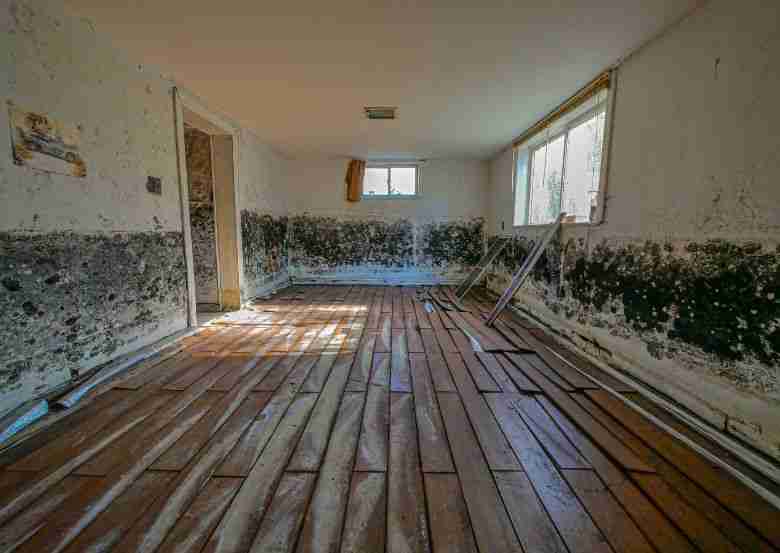
Mold Problem Solutions
1. Use Vinegar for Mold
Vinegar is one of the most natural solutions for dealing mold. Its mild acidic properties make it ideal for breaking down mold growth without damaging wood. Here’s how you can use it:
- Mix equal parts white vinegar and water in a spray bottle.
- Spray the solution generously on the moldy area.
- Let it sit for at least an hour.
- Wipe the area with a clean, damp cloth and let it dry.
Vinegar works best for surface mold and can help prevent regrowth due to its anti-fungal properties. However, it may not penetrate deeply especially if your problem is black mold on wood.
2. Baking Soda and Water
Baking soda is another safe and natural option for treating mold on wood. It’s gentle enough not to damage delicate surfaces but strong enough to combat mold. Follow these steps:
- Create a paste using 1 part baking soda and 1 part water.
- Apply the paste to the moldy area using a soft cloth or sponge.
- Let it sit for 10–15 minutes.
- Scrub gently with a soft brush and wipe clean with a damp cloth.
This method is especially useful for families concerned about using harsh chemicals in their homes.
3. Hydrogen Peroxide
Hydrogen peroxide is good with dealing with quick surface mold, it also disinfects the surface. It can penetrates deep into the wood to remove mold spores. To use:
- Pour a 3% hydrogen peroxide solution into a spray bottle.
- Spray it directly onto the moldy wood.
- Allow it to sit for 10–15 minutes to kill the mold spores.
- Scrub the area with a soft-bristled brush and wipe with a damp cloth.
Pro Tip: Test it on a small, hidden area first to ensure it won’t bleach or damage your wood’s finish.
4. Soap and Warm Water
For lighter mold infestations, dish soap mixed with warm water is a simple yet effective solution:
- Add a few drops of dish soap to a bucket of warm water.
- Dip a sponge or soft brush into the mixture and scrub the moldy area.
- Rinse with clean water and wipe dry.
While this method may not kill mold spores, it’s a great first step for cleaning surface-level mold
before applying other treatments.
Call now to speak with a Mold Remediation expert about your concerns. We’re ready to help!
5. Contact Professionals
Professional help is the best solution.Professional mold removal goes beyond simple cleaning—it’s about addressing the root cause and making sure the mold doesn’t come back. Experts use tools like moisture meters and infrared cameras to find hidden damp spots, while HEPA vacuums and air scrubbers clean the air and surfaces of harmful spores. Industrial dehumidifiers help reduce humidity to stop future growth, and strong antimicrobial sprays kill mold at the source.
Professionals bring:
- Expertise: They can identify mold types and determine the extent of the problem.
- Specialized Tools: High-grade equipment and treatments ensure thorough mold removal.
- Safety: Professionals follow protocols to prevent mold spores from spreading during removal.
DIY methods can work for small issues, but for complex cases, calling in experts will save you time, effort, and the risk of further damage.
Why Do We Need to Remove Mold on Wood?
Mold on wood isn’t just an aesthetic issue—it’s a serious health hazard. Mold produces spores that can become airborne, leading to various health problems such as allergies and respiratory issues, skin irritation, and even asthma flare-ups or attacks.
In extreme cases, prolonged exposure to mold can weaken your immune system and lead to chronic health conditions. Beyond health concerns, mold can also weaken wood, causing structural damage to furniture, floors, and even your home’s framework.
Removing mold as soon as possible ensures your family’s safety and prevents costly damage to your property.
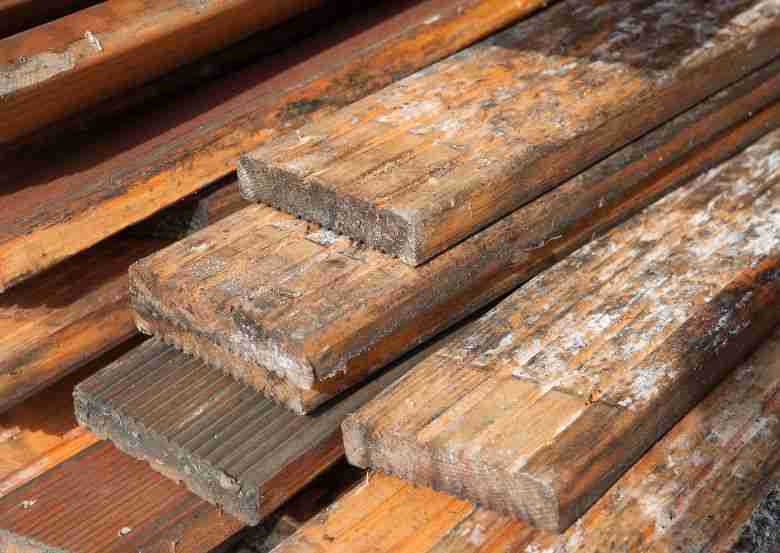
How to Know If You Have Mold on Your Wood?
Detecting mold early is key to minimizing damage, especially on wood surfaces. Common signs include discoloration, such as black, green, white, or even orange patches, and a musty odor that signals mold growth. You may also notice changes in texture, like wood becoming soft, spongy, or warped—indicating that mold has deeply penetrated the material. These visible and tactile cues are essential for spotting mold before it spreads further.
However, while these early signs can help confirm a mold Contamination, many mold colonies are hidden and easy to miss. Mold often thrives in hard-to-see areas, such as the undersides of wooden beams or deep within wall cavities. Detecting it in such locations requires specialized tools like moisture meters, infrared cameras, or air quality testing devices. If you suspect mold but aren’t certain, a professional inspection is the most reliable way to uncover hidden mold and address the problem thoroughly.
Removing Mold on Wood with Anderson Restoration
When it comes to mold, remediation can be challenging, but inspecting and identifying the type of mold is often even harder. That’s why it’s best to turn to mold inspection companies to save yourself from the stress and anxiety of trying to figure it out on your own. Anderson Restoration is here to help. We specialize in mold inspection and removal in Houston, TX, providing a thorough assessment to determine mold types, affected areas, and the severity of the issue.
Mold isn’t just a minor inconvenience—it’s a significant threat to both your home and health. Using advanced tools and expertise, we deliver detailed reports and actionable insights so you’ll know exactly what you’re dealing with.


Can You Stay in Your Home During Fire Damage Restoration

How Professional Dehumidification Works After Water Damage
We’re ready to answer your questions. Please submit the online form below to speak with an Anderson Restoration professional.