What To Do After Mold Remediation?
Table of Contents
The Step Before And During Remediation
Learning about what to do before and after mold remediation is not rocket science at all, but first you will need to understand what goes on when Anderson Restoration comes to your door.
Before the actual mold remediation, a professional mold inspector in Houston the area to find the mold and its source, like a leak. They might take samples to identify the mold type. They create a plan and seal off the area to stop mold from spreading.
During remediation, Our remediation team will come and remove moldy materials like drywall, walls, carpet, etc… We clean all surfaces with special products and use dehumidifiers and fans to dry those areas. During that time, we will also fix any issues causing the mold, since mold can come back if the source is not taken care of.
During Post-Remediation
So, what do mold remediation companies do during post-remediation? Several steps is taken by our reconstruction team and mold inspectors to ensure the mold is properly remediated.
1. Final Inspection: This final inspection is done by the mold inspector to ensure all mold is gone and moisture issues are fixed.
4. Restoration: Replace any removed materials like drywall or insulation.
6. Preventive Measures: Provide tips to prevent future mold growth, like fixing leaks and improving ventilation.
7. Documentation: Provide a report with photos and details of the work done.
These steps ensure the area is safe and mold-free.
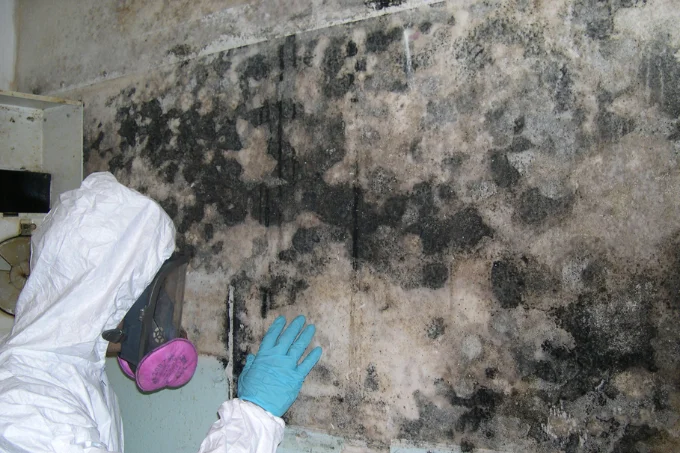
The Post-Mold Remediation Testing and Inspection Clearance

Mold inspection clearance is a crucial step after remediation to ensure the area is safe and mold-free. A professional inspector thoroughly checks for any remaining mold and confirms the moisture source is fixed, often taking air and surface samples to test for mold spores. This process confirms the remediation was successful, helps prevent future mold growth, and protects the health of people using the space.
The post-mold-remediation inspection typically involves three types of testing:
- Visual observations
- Moisture measurements
- Air sample
Visual Observations:
Even if there are no visible signs of moisture or mold, the team will use moisture meters and infrared cameras to detect hidden moisture behind walls, in crawl spaces, or other hard-to-reach areas.
Moisture Measurements:
Even if there are no visible signs of moisture or mold, the team will use moisture meters and infrared cameras to detect hidden moisture behind walls, in crawl spaces, or other hard-to-reach areas.
Air Sample:
After visual and moisture assessments, the team may take air samples from different parts of the building. Each area is tested separately because mold levels can vary throughout the building. They will also take samples from outside the building for comparison. It is common to find acceptable mold spore levels in some areas while other areas may still have elevated levels.
This thorough process ensures that the remediation was successful and the environment is safe
Call now to speak with a restoration expert about your concerns. We’re ready to help!
So, What Can I Do After Mold Remediation is Done?
As a property owner, it’s hard to see your part in all of this professional work, however they are a couple things you can do after remediation is done to have a home mold free:
- Ensure Proper Ventilation: Keep the area well-ventilated by using exhaust fans, opening windows, and using dehumidifiers to control moisture levels.
- Monitor for Leaks: Regularly check for leaks in plumbing, roofs, and windows. Promptly fix any leaks to prevent moisture buildup.
- Keep Humidity Levels Low: Use dehumidifiers, especially in damp areas like basements, to keep humidity levels below 60%.
- Clean Regularly: Regularly clean and dry areas prone to classic mold growth, such as bathrooms and kitchens.
- Inspect HVAC Systems: Have heating, ventilation, and air conditioning (HVAC) systems inspected and cleaned regularly to prevent mold growth in the ducts.
- Watch for Signs of Mold: Be vigilant for any signs of mold, such as a musty smell or visible spots, and address them immediately.
- Follow Professional Advice: Adhere to any recommendations provided by the remediation professionals to prevent future mold issues.
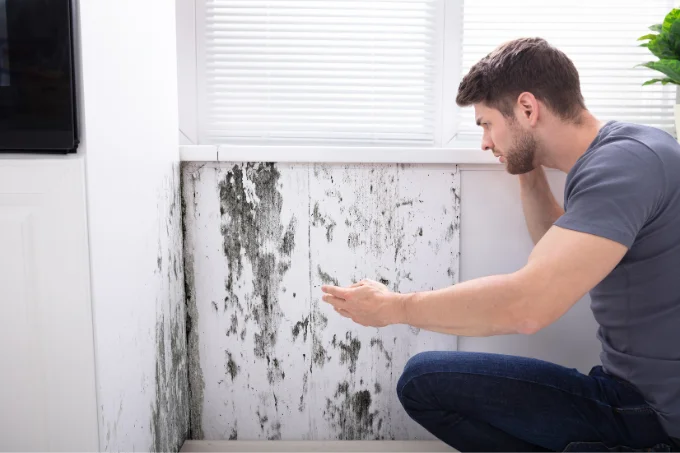
Keeping Mold Away
Keeping mold away is necessary to ensure a healthy living environment. Mold can cause various health problems, including allergies, respiratory issues, and other serious conditions, especially for those with weakened immune systems. It can also damage your home, affecting walls, floors, and furniture, leading to costly repairs.
Anderson’s remediation team exists to help you tackle mold problems effectively in Houston’s Residential and commercial properties. We find and fix the sources of moisture that cause mold growth, remove the mold safely, and prevent it from returning. Our goal is to ensure your home remains a safe and healthy place for you and your family.
Frequently Asked Questions:
How long does it take to test for mold?
Testing for mold inspection in Houston, TX typically takes between 24 to 48 hours. Once samples are collected, they are sent to a laboratory for analysis, and results are usually available within this timeframe.
How long does mold remediation take?
Mold remediation can take anywhere from one day to several weeks, depending on the extent of the mold growth and the size of the area affected. A small, localized problem might be resolved quickly, while a larger infestation that has spread throughout a building will take a mold remediation company in Houston like Anderson Restoration longer to remediate.
Is mold fogging safe?
Mold fogging uses a fine mist of antimicrobial solution to kill mold spores in hard-to-reach areas, but it should be used alongside other remediation methods to address underlying moisture issues.
Mold fogging can be safe if done properly by professionals using the right equipment and approved mold-killing agents. However, it should not be the sole method of remediation, as it does not address the underlying cause of mold growth, such as moisture issues. It’s important to follow all safety guidelines and ensure proper ventilation during and after the fogging process.


Can You Stay in Your Home During Fire Damage Restoration

How Professional Dehumidification Works After Water Damage
We’re ready to answer your questions. Please submit the online form below to speak with an Anderson Restoration professional.