If you’ve moved to The Woodlands from a drier part of Texas, you’ve probably noticed mildew and musty smells showing up fast. That’s not bad luck. Our team at Anderson Restoration has handled mold remediation in The Woodlands for years, and we see the same pattern from Creekside Park to Grogan’s Mill. This area grows mold faster than the rest of the Houston metro for specific, local reasons.
What Makes The Woodlands Mold-Prone?
The Woodlands grows mold faster because three conditions stack together: a dense tree canopy, trapped ground-level humidity, and a lot of homes built before modern moisture barriers. Most Houston suburbs deal with one of those factors at a time, but here, all three show up at once.
That matters if you own property in town. Knowing which factor you’re fighting helps you pick the right prevention plan, and it tells you when a small damp spot is a serious warning sign.

That thick tree canopy is part of what makes The Woodlands gorgeous, and also part of why mold grows faster here.
How the Tree Canopy Feeds Mold
The master-planned forest is what draws people here, and it’s also what keeps moisture stuck to your home. Thick canopy blocks sunlight. Roofs, siding, and foundations stay in the shade, and shaded surfaces can stay damp for hours after rain finally stops.
Compare that to a new Katy neighborhood with young, sparse trees. Those homes dry out quickly. A home tucked under Loblolly pines in Panther Creek can stay wet most of the day.
Moisture, warmth, and organic material equal mold. Pine needles make it worse. They clog gutters, trap water against fascia boards, and feed fungi with the exact debris they love.
Why Humidity Lingers Longer Here
Houston averages around 75% humidity year-round. The Woodlands often runs several points higher at ground level because of the forest floor. Trees release water into the air all day long, and the canopy traps that moisture close to the ground instead of letting it rise and drift off.
Your crawl space, porch, garage, and attic all sit inside a moisture pocket. Mold spores can start growing in 24 to 48 hours on a damp surface. According to the EPA’s guidance on mold and health, keeping indoor humidity below 60% is the single most effective step you can take.
Hitting that number here takes active effort. A good HVAC system is only part of the job.
Local Factors That Speed Up Growth
A handful of things specific to this area pile onto the climate challenge. Any one would be easy to manage. Stacking several is what turns a small leak into a major cleanup.
- Drainage easements behind homes hold standing water for days after heavy rain.
- Mature oaks and pines drop organic debris onto roofs and into gutters.
- Older villages like Grogan’s Mill predate modern vapor barriers and tight building envelopes.
- AC systems run nearly year-round, creating hidden condensation behind walls.
- Storm drainage from Gulf Coast downpours regularly overwhelms streets and yards.
- Creeks and community pools keep ambient moisture high in many neighborhoods.
Stacking six of these is why mold grows so fast after a water leak here compared to drier parts of Texas.

Ventilation is one of the easier mold defenses in a humid market, range hoods, bath fans, and HVAC filters all play their part.
Where Mold Shows Up First
When our technicians answer calls in The Woodlands, we see the same pattern. Mold almost always appears in a few predictable spots before it spreads.
| Where to Check | What to Look For |
|---|---|
| HVAC vents and air handler closet | Dark rings around vents, musty smell when AC runs |
| North-facing window sills | Black spots in corners where condensation pools |
| Attic decking near roof vents | Brown staining on plywood near pipes |
| Under-sink cabinets | Warped wood, peeling paper, damp smell inside |
| Baseboards on exterior walls | Bubbling paint, soft drywall, low discoloration |
A monthly walk-through of these spots catches small problems before they become tear-out jobs. Our breakdown of hidden mold hotspots in your house covers what to look for in each area.
Stopping Mold Before It Spreads
Prevention here runs on two tracks. Control indoor humidity, and fix moisture sources fast. That means running a dehumidifier during humid months, keeping gutters clear of pine straw, and handling any roof or plumbing drip within a day.
Anderson Restoration holds IICRC certification in mold, water, and fire work. After more than 20 years serving the North and West Houston metro, we’ve learned one thing. The homes that stay mold-free are the ones where owners treat moisture like a fire and deal with it fast.
If you see staining, smell something musty, or notice allergy symptoms that get worse indoors, don’t wait. The CDC’s overview on mold and health explains why active growth always gets worse with time.
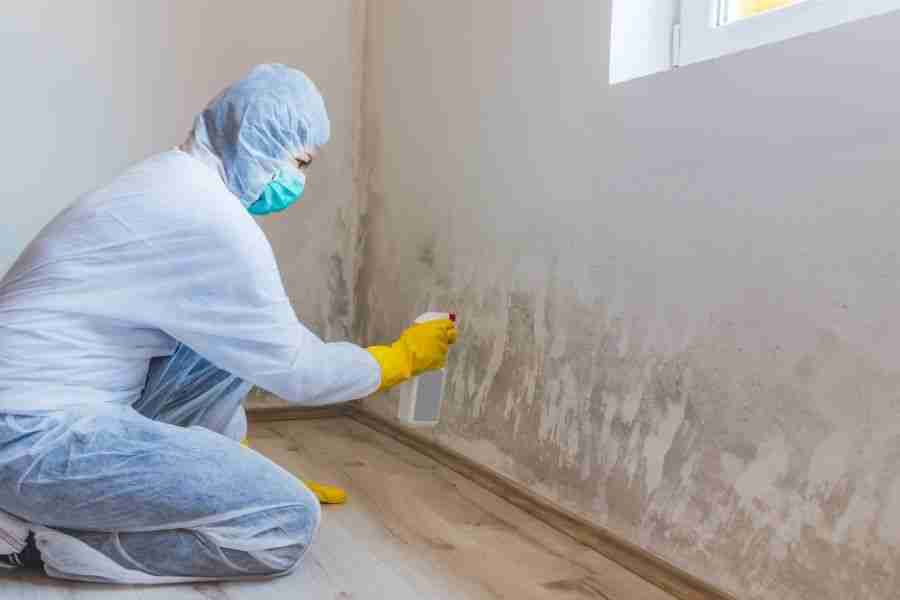
When humidity and ventilation problems aren’t addressed, this is what Woodlands homeowners end up calling us about.
Frequently Asked Questions
Is mold really worse in The Woodlands than in the rest of Houston?
Yes, generally. The dense tree canopy, higher ground-level humidity, and older homes combine in a way mold loves. Most Houston suburbs only deal with one or two of those factors at a time.
Does my AC help or hurt with mold?
Both, depending on how well it’s maintained. A clean, well-sized AC lowers humidity and filters spores. A neglected one with clogged coils or a blocked drain line becomes the biggest mold source in the house.
How often should I check for mold in a Woodlands home?
Do a monthly look at bathrooms, the HVAC closet, under sinks, and the attic. Book a professional inspection once a year if you’ve had past water damage or live in an older village.
Can I just clean small mold patches with bleach?
On tile, glass, or sealed metal, sure. But bleach can’t reach mold inside drywall, grout, or wood framing, and spraying it on those surfaces can spread spores deeper into the material.