Why You Shouldn’t Ignore Small Water Leaks for Months
Table of Contents
What Happens If You Ignore Small Leaks
A small leak may not look like a big issue, but a tiny drip can quickly lead to big problems. When homeowners ignore a water leak for months, they often face mold, pests, damage, and higher utility bills.
Leaks are often hidden behind walls, ceilings, or floors. That makes them easy to miss and even easier to forget, until something breaks, smells, or stains. This article explains why small leaks matter, what damage they cause, and how to tell if you have a water leak early.
So, what are the consequences of ignoring small water leaks?
Mold Growth
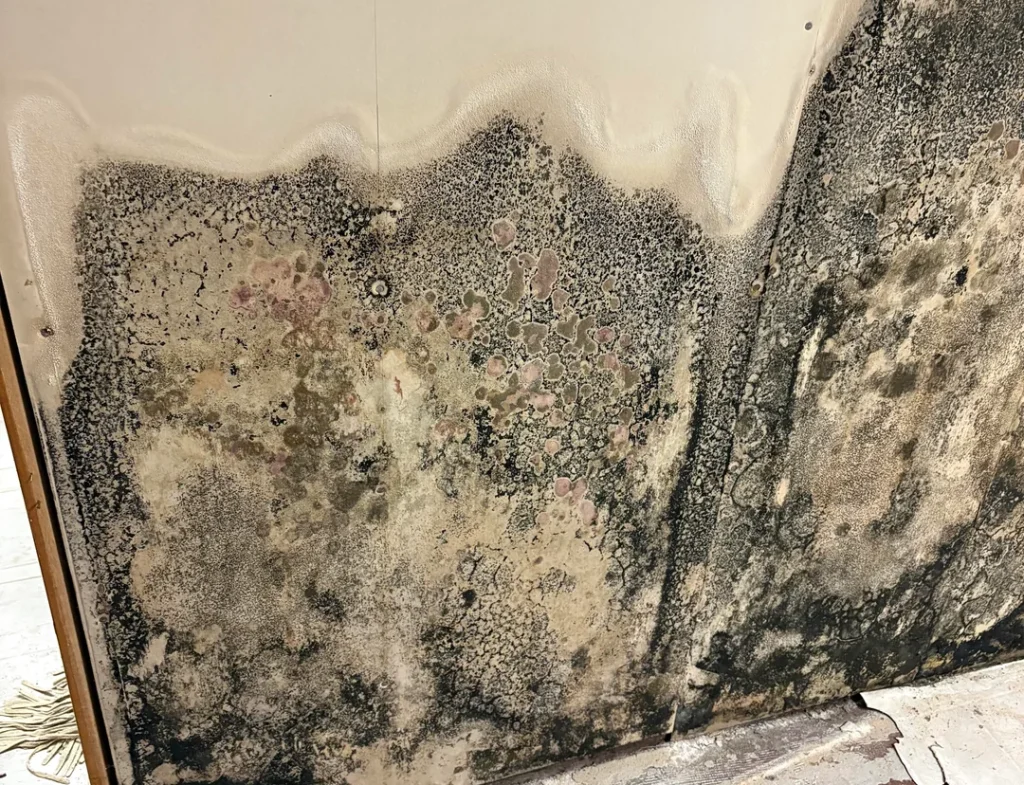
Even a small leak creates the kind of moist environment that mold loves. Mold can begin to grow in as little as 24 to 48 hours. They grow in places such as under sinks, in walls, or inside cabinets, depending on the location of your leak.
If you ignore a water leak for months, mold can spread into your HVAC system. Spores may circulate through your home, affecting your indoor air quality. For people with asthma or allergies, this can be a serious health concern.
Pest Infestation
Damp areas attract pests like ants, termites, cockroaches, and even rodents. They’re drawn to moisture from small, hidden leaks. Wall cavities, attics, and crawl spaces provide the shelter and water pests need to thrive.
Infestations are hard to spot early. But they often start because someone decided to ignore the water leak for months. By the time the pests are discovered, they’ve usually done significant damage, and fixing the leak still needs to happen.
Structural Damage
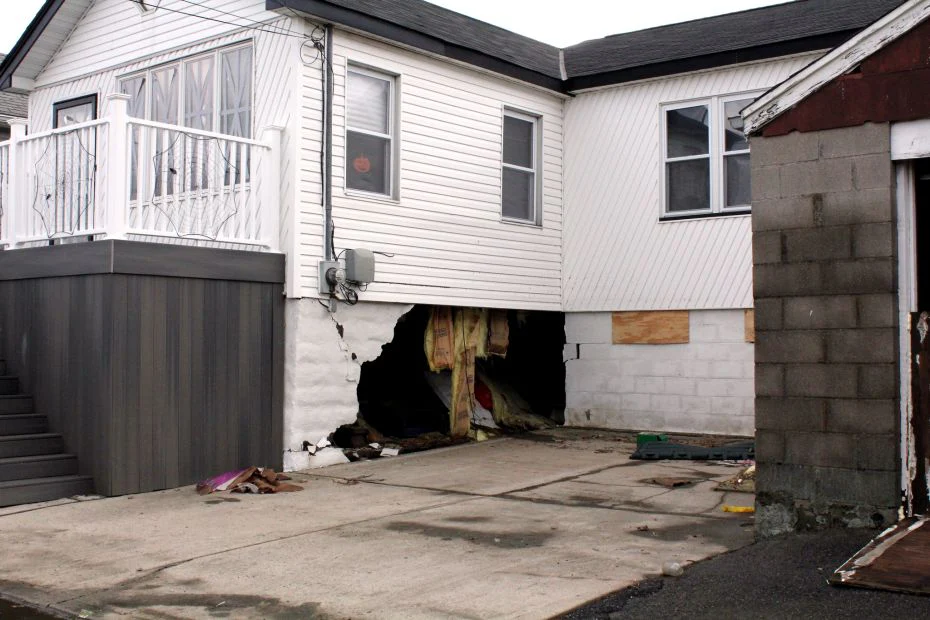
Water weakens materials like drywall, insulation, and wood framing. Over time, even a small leak can rot beams, warp floors, or collapse ceilings. This kind of structural damage can put your entire home at risk.
Homes with pier-and-beam foundations are especially vulnerable. If a leak occurs beneath the structure, it can shift or crack the foundation. That turns a simple repair into a major renovation.
Accidents
Leaks also create safety hazards. Water on the floor can lead to slips, especially in bathrooms or kitchens. If water reaches wiring or outlets, it may cause shorts, shocks, or even fires.
Some of the most dangerous risks happen when homeowners don’t notice the water. One small leak near a ceiling light or outlet is all it takes for a serious accident. Preventing this starts with recognizing the signs that small water leaks leave behind.
Call now to speak with an expert about your concerns. We’re ready to help!
Increased Water Bill
You may be wondering: can a small water leak double a water bill? The answer is yes. Even a dripping faucet can waste 3,000 gallons a year. In Houston, that can mean $50–$100 more per month, depending on your rates.
Leaking toilets, irrigation systems, or underground pipes waste even more water. If your bill goes up without any obvious reason, it’s time to take a closer look. The longer a leak continues, the more you’ll pay for it, and yes, a small water leak can double your water bill in some cases.
Common Sources of Small Leaks
Homeowners usually think that small leaks are only those damaged fixtures, such as a leaky faucet or broken pipes. But there are other sources of small water leaks, and more often than not, they are harder to spot.
Let’s take a look at these common sources of small leaks:
Damaged or Corroded Pipes
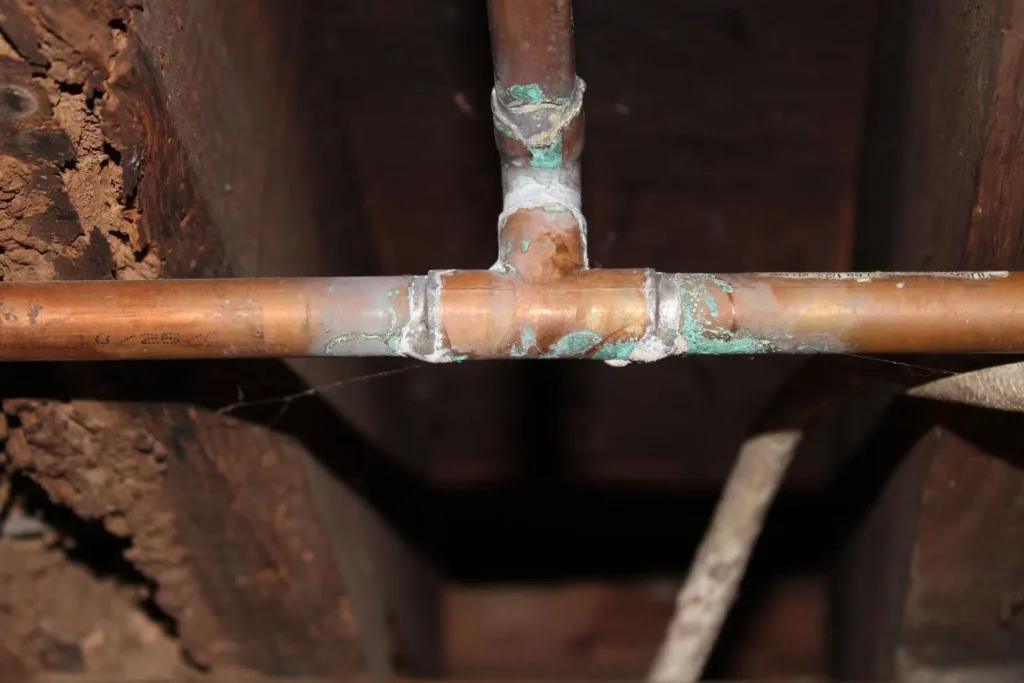
Most homes use copper, PVC, or PEX pipes. Copper lasts 50–70 years, but high water pressure or acidic water can speed up corrosion. PEX and PVC are more flexible but can still crack with soil movement or poor installation. Aging or damaged pipes are a top cause of hidden water loss.
Damaged Roof
Severe storms, wind, or falling branches can damage shingles and flashing. Roof leaks may begin as slow drips and go unnoticed for months. By the time you see ceiling stains, insulation or wooden beams may already be rotting.
Clogged Pipes
Kitchen sinks, bathroom drains, gutters, and downspouts can all become clogged. Grease, hair, food debris, and leaves are the most common culprits. When water can’t flow freely, pressure builds, and leaks can form.
Faulty Appliance Seals
Appliances like dishwashers, refrigerators, and washing machines rely on seals and hoses. Over time, seals may crack or loosen. A slow leak from behind an appliance can quietly damage floors and cabinets.
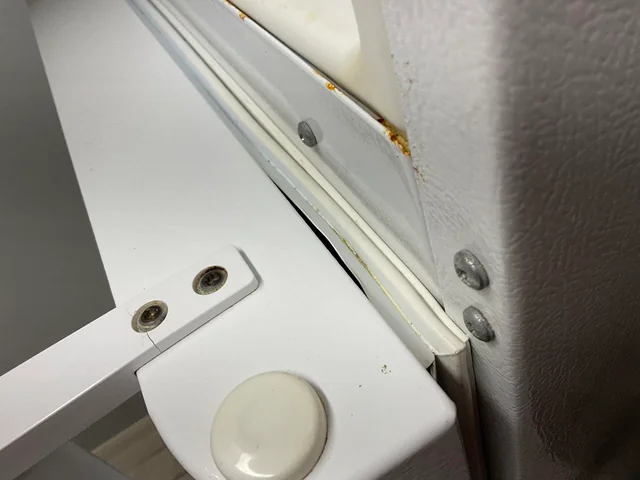
In some cases, these leaks go undetected for weeks. Checking for dampness regularly can help you catch small signs of water leaks early.
How to Tell If You Have a Water Leak
Thankfully, water leaks leave visible and audible signs, which makes them easy to spot. Knowing these signs and proactively addressing them will save you money from costly repairs, hospitalization due to injuries or mold exposure, and structural damage.
So, what are the signs of small water leaks?
- Water Damage Stains
Brown, yellow, or copper-colored stains often appear on ceilings, walls, or under cabinets. If you ignore a water leak for months, the stain will usually spread or darken.
Other indicators include bubbling paint, peeling wallpaper, or warped baseboards. These physical changes are common signs that small water leaks leave behind and shouldn’t be ignored.
- Persistent Foul Odor
A sour or musty smell often signals a hidden leak. Mold and mildew tend to smell damp, earthy, or like wet laundry left too long. These odors usually come from hidden areas, like behind walls or under floors.
If your bathroom, laundry room, or kitchen smells off, even when clean, it could mean water is trapped somewhere. Knowing how to tell if you have a water leak early can save your home and health.
- Dripping or Running Water Sounds
If you hear water when nothing’s turned on, don’t ignore it. You may hear dripping, hissing, or gurgling behind walls or ceilings. This is one of the clearest signs of a hidden leak.
Turn off all water-using appliances and listen carefully. If you still hear water, you may already have a problem.
- Increased Water Bill
When bills rise and your usage hasn’t changed, something’s wrong. Many people ask: Can a small water leak double the water bill? Unfortunately, yes, especially if the leak is continuous.
To confirm, shut off your home’s water and check your meter. If it’s still moving, water is escaping somewhere.
- Reduced Water Pressure
A sudden pressure drop usually means water is going somewhere it shouldn’t. It could be a clog or a break in the line. When paired with high bills or stains, it’s often the result of a leak.
If pressure drops in just one faucet, the problem may be local. But if it’s throughout the house, check for other signs; small water leaks may be present.
While there are obvious signs, some of them take time to be visible. And more often than not, leaks are already at their advanced stage when they appear. It is better to seek a professional water damage restoration service that is proactive and fast in addressing water leaks in your home.
Learn more on “How to Check for Water Leaks at Home“
What To Do Immediately After Discovering a Small Leak?
Start by turning off the water source if you can safely access it. Then dry the area as best you can with towels or a fan to slow down further damage. Avoid touching electrical outlets or appliances near the leak.
Finally, call a water damage restoration service like Anderson Restoration. We’ll walk you through the next steps and send a certified technician out within 90 minutes if it’s urgent. The sooner we catch it, the easier (and cheaper) it is to fix.
Don’t Wait For Leaks To Get Worse
Don’t let a small leak grow into a big issue. Anderson Restoration provides fast, reliable water damage repair for Houston homeowners. We’re available 24/7 and respond within 90 minutes of your call.
With over 30 years of experience, we handle everything from inspection and drying to full restoration and insurance help. We offer free estimates, flexible financing, and complete peace of mind. Call today or fill out our online form to schedule your free consultation. Fix it now before it costs you more later.
FAQs
How do I know if a small leak is serious enough to call a professional?
If the leak doesn’t stop on its own, it’s serious enough to call for help. Even a slow drip can damage drywall, flooring, or framing within days, especially in Houston’s humid climate.
If you see stains, smell something musty, or your water bill goes up unexpectedly, those are strong signs the leak is already causing harm. Our rule of thumb: if you’re unsure, let us take a look. It’s better to get peace of mind now than face a big repair later.
Are small leaks typically covered by homeowners' insurance in Houston?
It depends on how the leak started and how quickly you acted. Most insurance policies cover sudden and accidental leaks, like a burst pipe or a cracked water heater. But if the insurance adjuster finds out the damage happened slowly over time and wasn’t addressed, they may deny the claim.
That’s why acting fast is so important. We help homeowners in Houston document leaks and work directly with their insurance companies to improve the chances of coverage.


Can You Stay in Your Home During Fire Damage Restoration

How Professional Dehumidification Works After Water Damage
We’re ready to answer your questions. Please submit the online form below to speak with an Anderson Restoration professional.