Can Mold Really Grow in Your Lungs and What Are the Risks?
Table of Contents
Can You Have Mold in Your Lungs?
Mold is a big concern for homeowners in Houston, TX, and dealing with it can be frustrating. But what happens if mold doesn’t just stay in your home—can it actually get into your lungs?
The short answer is yes, you can inhale mold spores. In most cases, your body naturally filters them out without any issues. However, for people with allergies, asthma, or weakened immune systems, mold exposure can cause respiratory irritation, allergic reactions, or, in rare cases, lung infections.
While mild symptoms like coughing or congestion are common, serious lung infections from mold are pretty rare and usually only affect people with serious health conditions. If you’re experiencing persistent breathing problems after mold exposure, it’s a good idea to check in with a doctor.
What Types of Mold Can Affect the Lungs?
Some types of mold can impact lung health, especially for people with weakened immune systems or respiratory conditions. Here are a few that are known to cause problems:
Call now to speak with an expert about your concerns. We’re ready to help!
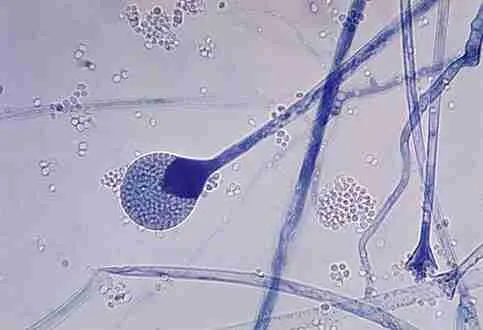
Mucormycetes
Mucormycetes are molds commonly found in soil, decaying plants, and even air conditioning systems. They thrive in damp environments and are generally harmless to healthy people. However, for those with weakened immune systems—like individuals with diabetes, cancer, or organ transplant recipients—these molds can cause mucormycosis, a serious fungal infection.
Mucormycosis often starts in the sinuses but can spread to the lungs, causing inflammation and, in severe cases, tissue damage. Because it progresses quickly, early treatment is crucial for those at risk.
Early signs of mold include musty odors, black or green patches, and worsening allergy symptoms. Addressing water damage immediately with proper drying and ventilation is the best way to prevent mold infestation.
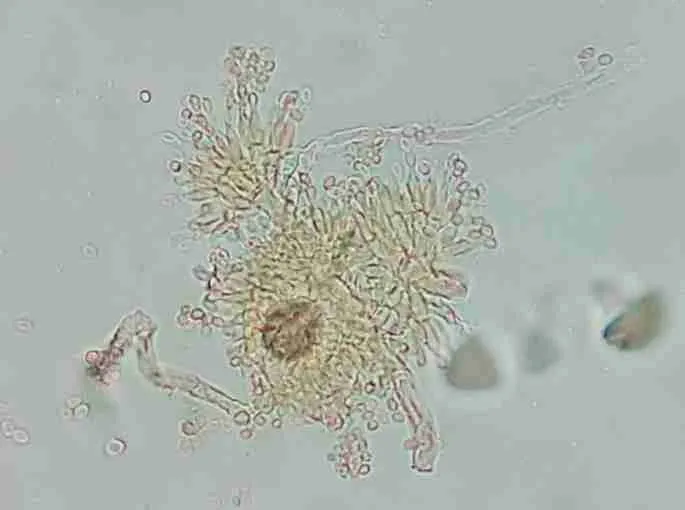
Hyalohyphomycetes (Including Aspergillus)
Molds like Aspergillus are everywhere—indoors, outdoors, and in the air we breathe. Most people inhale these spores daily without any issues, but for those with asthma, COPD, or weakened immune systems, exposure can lead to aspergillosis.
Aspergillosis can range from mild allergic reactions, like coughing and wheezing, to invasive aspergillosis, where the mold spreads beyond the lungs, potentially becoming life-threatening. People with chronic lung disease or those undergoing treatments that weaken the immune system are most at risk.
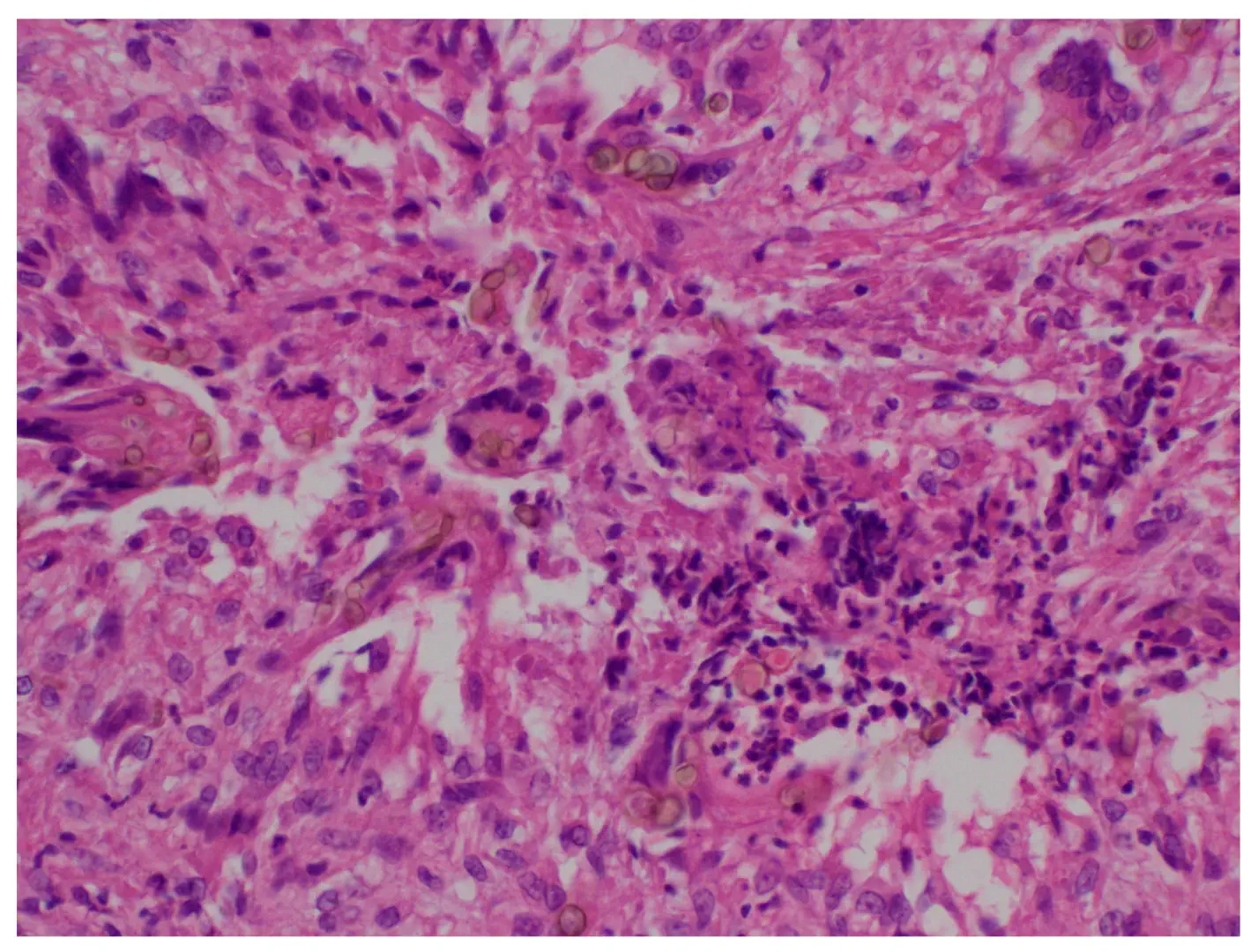
Phaeohyphomycetes
These darkly pigmented molds are found in soil and decaying wood. While they mostly cause skin infections, they can affect the lungs in people with severely weakened immune systems. In these cases, symptoms may include persistent coughing, difficulty breathing, and lung inflammation.
Although rare, deeper lung infections from Phaeohyphomycetes require medical attention because they can be resistant to treatment. People undergoing chemotherapy or organ transplants are at the highest risk.
Should You Be Worried?
For most people, everyday mold exposure isn’t a major concern. But if you have a lung condition, a weakened immune system, or persistent respiratory issues after mold exposure, it’s best to talk to a doctor and get a mold professional like Anderson Restoration Involve. Keeping indoor spaces dry and well-ventilated can also help reduce the risk of mold-related health problems.
What Are the Symptoms?
The symptoms of mold exposure in the lungs can vary from person to person, depending on factors such as the severity of the infection, the duration of exposure, and an individual’s overall health. Some people may experience mild irritation, while others—especially those with respiratory conditions or weakened immune systems—may develop more serious complications. The body’s reaction to mold can also differ, meaning symptoms may appear gradually or suddenly, and they can be mistaken for allergies, colds, or other respiratory illnesses.

On the other hand, symptoms of mold in infants may present differently. Since their immune systems are still developing, they may be more vulnerable to respiratory distress, wheezing, persistent coughing, or skin irritation.
- Persistent Coughing – A chronic cough that doesn’t go away may indicate that mold spores are irritating the respiratory system, leading to ongoing inflammation.
- Shortness of Breath – Difficulty breathing or a tight sensation in the chest can result from mold-induced lung inflammation, making it harder for air to flow freely.
- Wheezing – A high-pitched whistling sound while breathing could be a sign that mold spores have irritated or partially obstructed the airways.
- Chest Pain – Sharp or persistent chest discomfort may occur due to inflammation or infection in the lungs caused by mold exposure.
- Fever – An elevated temperature might indicate that the immune system is responding to a mold-related lung infection, particularly in more severe cases.
- Fatigue – Prolonged tiredness and weakness can result from the body’s ongoing effort to fight off mold exposure, making even routine activities exhausting.
- Sinus Congestion – Mold spores can trigger nasal inflammation, leading to a stuffy or runny nose, headaches, and pressure around the eyes and forehead.
What to Do If You Find Mold in Your Home
If you find mold in your home, it’s important to take care of it quickly to protect your health. Anderson Restoration, one of the top mold remediation companies in Texas, specializes in mold removal, and prevention.
Ignoring mold can lead to long-term health problems, especially for those with asthma or allergies. If you think you have mold in your home or are experiencing symptoms, don’t wait—get medical advice and call Anderson Restoration for expert help. We’ll make sure your home is safe, healthy, and mold-free.
FAQs
How long does water damage restoration take?
The duration of water damage restoration depends on the severity of the damage. Drying alone can take 24-72 hours, while full restoration, including repairs, may take several days to a few weeks.


Can You Stay in Your Home During Fire Damage Restoration

How Professional Dehumidification Works After Water Damage
We’re ready to answer your questions. Please submit the online form below to speak with an Anderson Restoration professional.