Does Renters Insurance Really Cover Water Leak Damage?
Table of Contents
Understanding What Water Damage Insurance Cover
Water damage coverage under homeowners insurance depends on the source and circumstances of the damage. Generally, if the water damage is sudden, accidental, and originates inside your home, a standard homeowners insurance policy may cover it. However, damage caused by external flooding or neglected maintenance issues is usually not covered.
When assessing coverage, insurance providers typically consider these three key factors:
1. Source of Water Damage
Insurance providers assess whether the water damage was sudden and accidental or a result of gradual wear and tear. Generally, policies cover unexpected incidents such as burst pipes, appliance malfunctions, accidental overflows, or sudden leaks because these events are beyond the homeowner’s control.
However, damage caused by poor maintenance, such as ongoing leaks, seepage, or plumbing issues left unresolved for an extended period, is usually not covered. If an insurer determines that the homeowner failed to properly maintain their plumbing system, they may deny the claim.
Call now to speak with an expert about your concerns. We’re ready to help!
2. Type of Insurance Policy
Not all water damage is covered under a standard homeowners insurance policy, as coverage largely depends on the type of policy you have. Most standard policies cover internal water damage caused by plumbing failures, broken appliances, or accidental overflows.
However, damage caused by natural disasters, such as hurricanes, heavy rain, or rising water levels, typically requires a separate flood insurance policy. If your home is in a high-risk flood zone, purchasing additional flood insurance through the National Flood Insurance Program (NFIP) or private insurers is highly recommended.
3. Timing of the Damage
The timing of water damage also plays a crucial role in insurance claims. If the insurer determines that the damage resulted from long-term neglect, poor maintenance, or an issue that should have been fixed earlier, they may deny the claim. For example, if a slow leak was left unrepaired for months and caused structural damage or mold growth, the insurance company might classify it as preventable damage.
To improve the chances of approval, homeowners should promptly address any minor leaks, schedule routine maintenance, and document any sudden damage with photos and reports for their claim submission.
What Type of Water Damage is Covered by Homeowners Insurance?
Homeowners insurance typically covers unexpected and unpreventable water damage, such as:
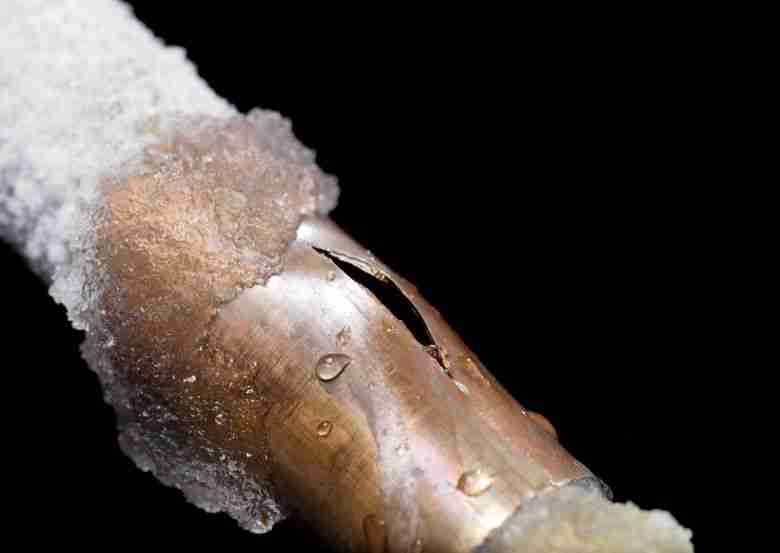
1. Burst Pipes Due to Freezing Temperatures
During winter, pipes can freeze and expand, leading to sudden bursts that release a significant amount of water into your home. Most homeowners insurance policies cover this type of damage, provided you took reasonable steps to prevent freezing—such as keeping your home heated or insulating pipes. However, if the insurer determines that you neglected to maintain adequate heating, they may deny your claim.
2. Sudden Plumbing Malfunctions
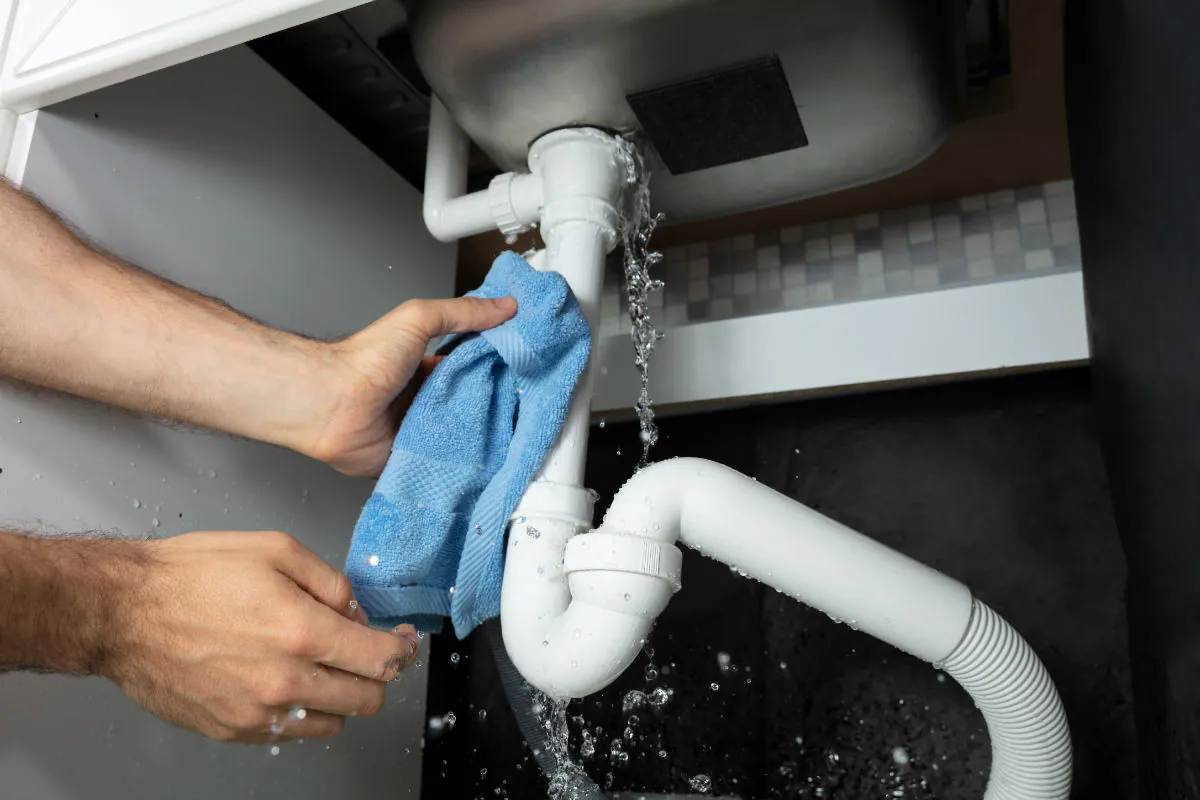
Plumbing systems can fail unexpectedly due to hidden defects, material deterioration, or unforeseen pressure buildup. If a pipe suddenly bursts or a water line disconnects, causing water damage to floors, walls, or belongings, homeowners insurance may cover the resulting repairs. However, if the damage is traced to long-term neglect, rust, or a leak that was ignored for an extended period, coverage might be denied.
3. Accidental Overflows from Bathtubs, Sinks, or Appliances
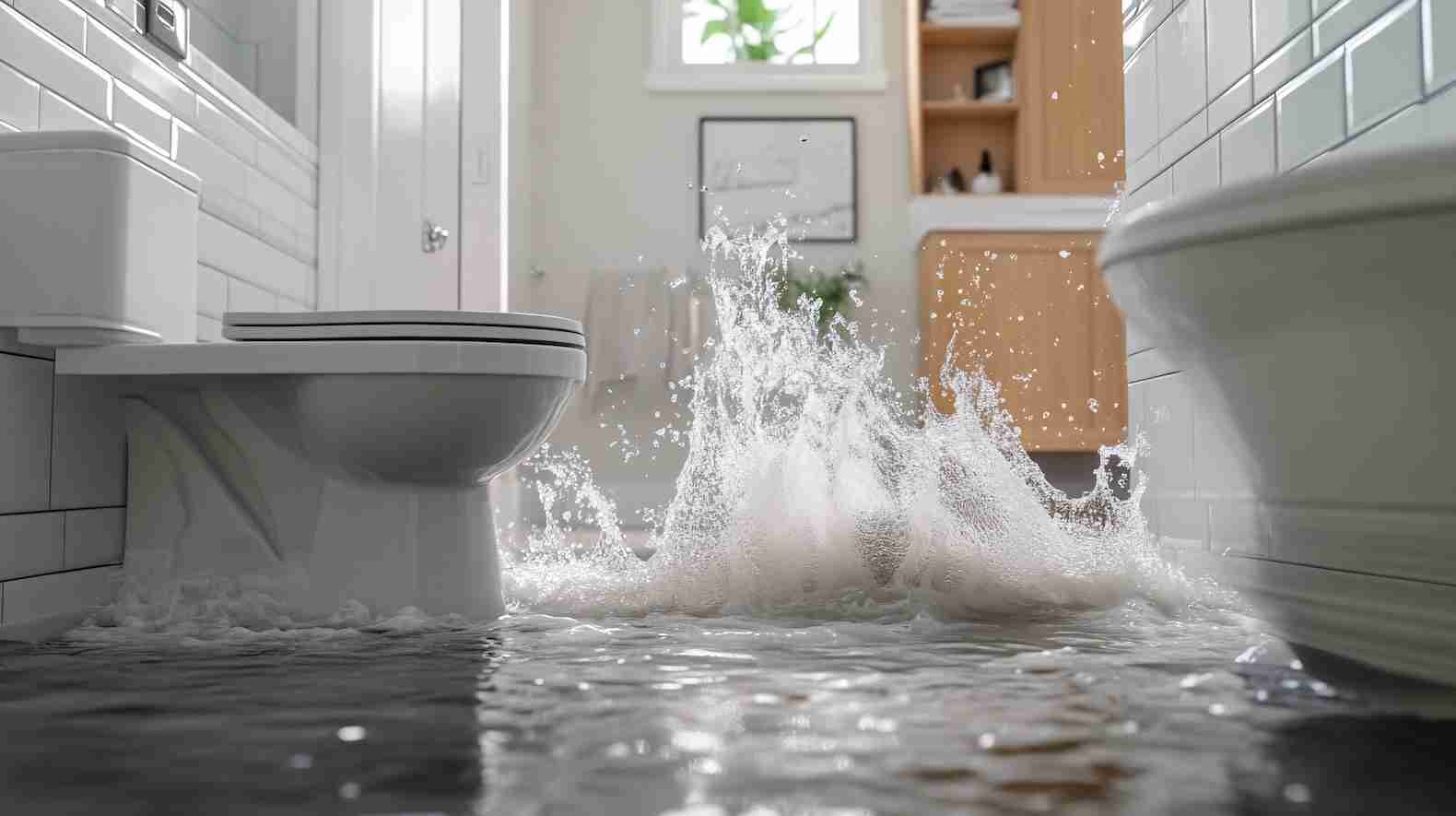
If a washing machine, dishwasher, or bathtub overflows and causes water damage, homeowners insurance typically provides coverage. This applies when the overflow is accidental—such as a malfunctioning washing machine that floods the laundry room or a sink left running unintentionally. However, if the overflow is due to poor maintenance, like a worn-out washing machine hose that was never replaced, the claim may be denied.
4. Water Damage from a Fire Suppression System
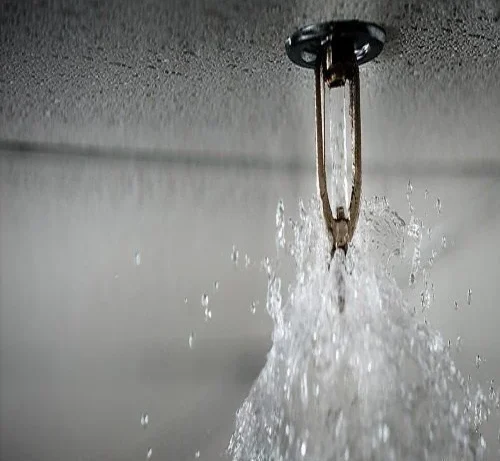
If your home experiences a fire, any water damage that results from fire suppression efforts—such as sprinklers, fire department hoses, or extinguishers—is usually covered by homeowners insurance. This includes damage to walls, flooring, and personal belongings that were soaked in the process of putting out the fire. Since this type of water damage is unexpected and unavoidable, insurers generally approve claims related to fire suppression efforts.
What Types of Water Damage Are Not Typically Covered?
While standard renters insurance claims for water damage may cover sudden and accidental incidents, they do not typically include:
- Flooding (requires a separate flood insurance policy).
- Gradual leaks due to poor maintenance.
- Sewage backups (unless additional coverage is purchased).
- Damage from foundation seepage or poor drainage systems.
- Mold growth resulting from long-term moisture exposure.
Learn more about “Ways to Prevent Flooding in Houston Home.“
Renters vs. Landlord Coverage: Who’s Responsible for What?
One of the biggest misunderstandings renters face is assuming their landlord’s insurance will protect their belongings after water damage. In reality, landlord insurance and renters insurance cover different things:
Landlord’s policy – Covers the structure of the building itself, including walls, floors, ceilings, and major systems like plumbing and electrical. If a pipe bursts in the building, the landlord’s insurance pays for repairing the pipe and damaged walls or flooring.
Renter’s policy – Covers your personal property inside the unit, such as furniture, clothing, electronics, and appliances you own. It may also cover additional living expenses if the damage forces you to move out temporarily.
Shared responsibility – In many cases, both policies work together. For example, if water from an upstairs leak damages your couch, the landlord’s insurance fixes the ceiling, but only your renters insurance will pay for the couch replacement.
Understanding this difference is critical so you’re not left uncovered. Without renters insurance, you could face paying for thousands of dollars’ worth of personal losses out of pocket.
What Should You Do If You Experience Water Damage?
If you experience water damage, the first step in the water damage insurance claim process is to stop the source immediately—shut off the main water supply or repair any leaks to prevent further flooding. Next, document the damage with clear photos and videos, as this evidence is crucial when filing your insurance claim. Contact your insurance provider promptly to report the incident and understand what coverage applies to your situation. In the meantime, use fans or dehumidifiers to dry out affected areas and prevent mold growth.
For a thorough restoration, it’s best to consult water damage experts who can assess the extent of the damage and restore your home properly. If you’re in Texas, Anderson Restoration offers professional water removal, drying, and repair services to help you recover quickly. Taking immediate action and understanding the water damage insurance claim process can help you navigate your claim smoothly while protecting your home from long-term structural issues.


Can You Stay in Your Home During Fire Damage Restoration

How Professional Dehumidification Works After Water Damage
We’re ready to answer your questions. Please submit the online form below to speak with an Anderson Restoration professional.