The Purpose of Water Mitigation
Table of Contents
What Is the Purpose of Water Mitigation?
Water damage is one of the most stressful issues homeowners face. It can happen suddenly,like walking into a flooded living room from a burst pipe. With roughly 14,000 people in the U.S. filing water damage claims daily, it’s a more common problem than many realize. That’s where water mitigation comes in. This process helps stop the damage from spreading by removing standing water, drying out the area, and addressing the source of the leak or flooding. In more serious cases, our professional help is essential to fully clean and restore the space.
But water mitigation does more than just dry things out. It also helps prevent mold growth by thoroughly dehumidifying the area and disinfecting to eliminate bacteria or harmful contaminants, especially after flooding. Water damage can result from a variety of sources, including burst pipes, roof leaks, sewer backups, or severe storms. If not addressed quickly, it can lead to major issues like structural damage and health risks. That’s why fast, effective water mitigation is crucial, it helps protect both your property and your peace of mind.
Why Is Water Mitigation Important?

1. It Prevents Mold Growth
Mold thrives in moist environments, making flood-damaged or leaky homes a prime target. Without prompt action, mold can spread quickly, sometimes within 48 to 72 hours and release mycotoxins that lower air quality and trigger respiratory issues. Water mitigation services dry out affected areas and stop mold before it starts, keeping your home safe and your air clean.
2. It Preserves Your Home’s Structure
Water can quietly weaken structural materials like drywall, wood, and insulation. Over time, this leads to warping, rotting, or even collapse. Damp conditions also attract pests like termites and silverfish, which only make things worse. By acting fast, water mitigation helps preserve your home’s structure and prevents further damage.
3. It Saves You Money
Ignoring water damage often leads to costly repairs. DIY fixes may seem cheaper at first but don’t usually solve the root problem, especially when it comes to mold. Recurring damage, ongoing repairs, and potential structural issues can add up fast. Investing in professional mitigation services early can help you avoid these long-term costs and protect your property value.
Common Causes of Water Damage at Home
Water damage can happen anytime and for many reasons. Recognizing the source early can help prevent more serious issues down the line. Here are a few of the most common causes:
1. Pipe Leaks
Corroded pipes, high water pressure, or loose joints can lead to leaks that cause major damage over time. Even small pipe leaks, if ignored, can result in widespread flooding and mold growth.
2. Water Overflow
Clogged drains in bathrooms or kitchens, leaky faucets, and blocked gutters can lead to water spilling over and damaging ceilings or flooring. Roof leaks during storms are another common culprit. These issues are best addressed early with water mitigation to avoid mold and expensive repairs.
Call now to speak with an expert about your concerns. We’re ready to help!
3. Appliance Leaks
Appliances like air conditioners, washing machines, and water heaters can leak from worn-out pipes or blocked drainage lines. These slow leaks may not flood your home, but they can silently damage cabinets, walls, and floors.
4. Septic or Sewer Backups
Backups happen when sewer lines are clogged by debris, grease, or tree roots. This causes slow drainage and water overflow in toilets and drains, often leading to black water contamination, an immediate health risk that requires professional cleanup.
Water Damage Categories by Water Mitigation Services
Water mitigation experts classify damage based on the type of water involved:
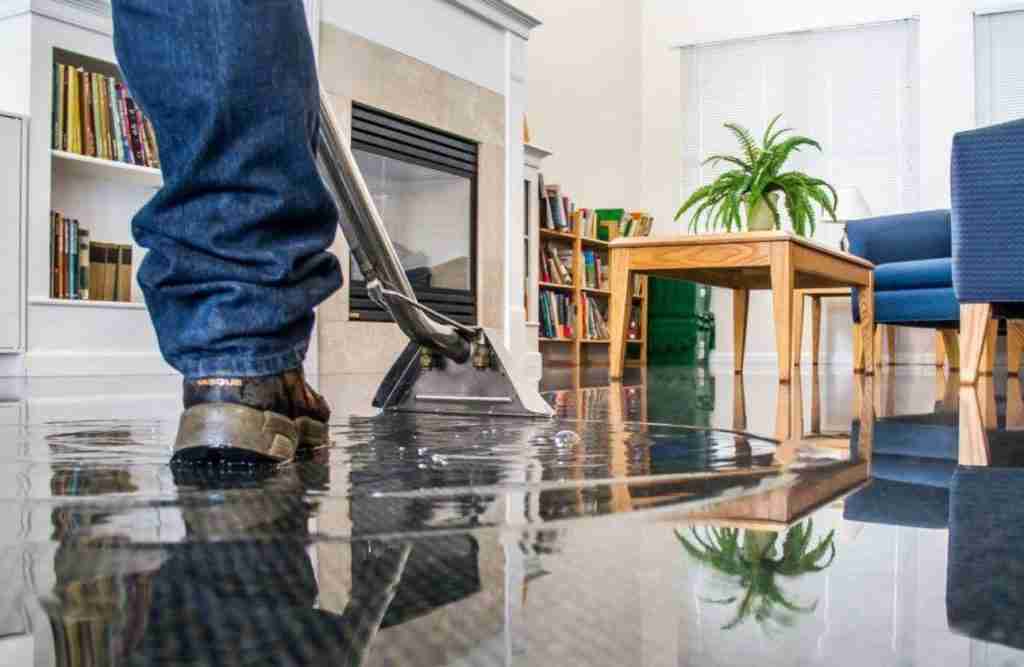
Category 1: Clean Water
Comes from a clean source, like a broken pipe or overflowed sink. While not hazardous initially, it can become contaminated if left untreated.
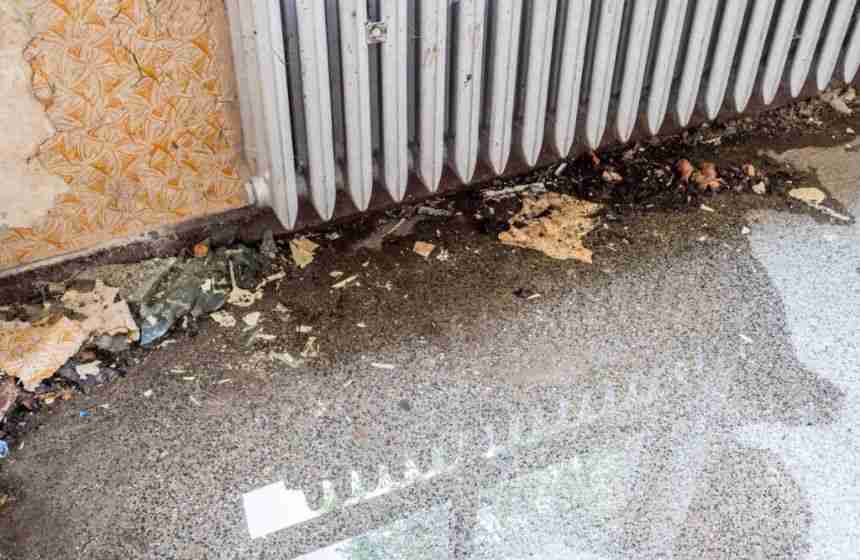
Category 2: Gray Water
Contains some contaminants, like soap, food residue, or chemicals, often from dishwashers or washing machines. It poses moderate health risks and should be handled by professionals.
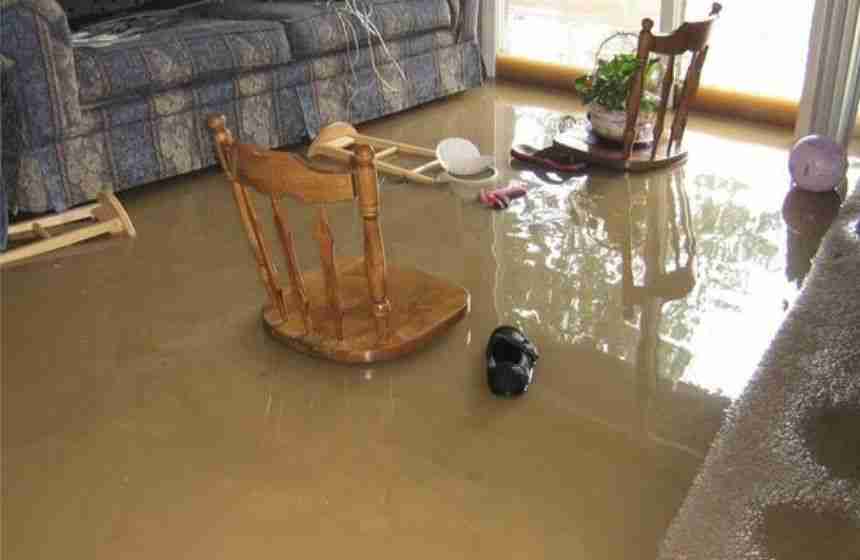
Category 3: Black Water
The most dangerous type contains harmful bacteria or chemicals. This includes sewage or floodwater. Professional equipment and protection are essential for cleanup.
Regardless of the category, acting fast is critical. Clean water can turn into gray or black water if left standing, increasing risks and cleanup costs.
The Water Mitigation Process in Houston
Let’s say you come home to a flooded bathroom from a burst pipe, what happens next? If you call a professional mitigation service, here’s what to expect:
Technicians inspect the source, evaluate the damage, and determine the water category. This step helps create a tailored plan, whether it’s a simple fix or full restoration.
Before anything else, the team will stop the water flow. If needed, they’ll shut off your water or call in a plumber to address deeper issues.
Anything wet, like carpet, furniture, or drywall is removed to prevent mold and further damage. Salvageable items are dried and cleaned. Unsalvageable materials are disposed of safely.
Using industrial vacuums and pumps, the team removes standing water. This step is key to stopping the damage and preventing mold growth.
Next, air movers and dehumidifiers remove remaining moisture. Water mitigation contractors may use moisture meters or thermal cameras to detect hidden water behind walls or under floors.
Especially for gray or black water, this final step ensures the area is thoroughly cleaned and safe. Antimicrobial treatments remove bacteria, viruses, and lingering odors.
By the end of these water mitigation steps, your home will be clean, dry, and safe to occupy again.
How Long Does Water Mitigation Take?
Drying typically takes 24 to 72 hours, but full restoration, including repairs can take several days to a few weeks, depending on how severe the damage is. If mold remediation is needed, it may extend the timeline slightly.
How Much Does Water Mitigation Cost?
Costs vary depending on the type of water, the amount of damage, and the area affected. Clean water jobs tend to cost less, while black water cleanups are more expensive due to the hazards involved. Mold remediation or structural repairs may add extra costs as well.
Average Total Cost per Incident:
- Minor damage (under 150 sq. ft.): $1,000 – $2,500
- Moderate damage (150–500 sq. ft.): $2,500 – $5,000
- Major damage (500+ sq. ft. or involving black water): $5,000 – $10,000+
Mold Remediation (if needed):
Typically adds $500 to $6,000+ depending on the extent of the mold and the materials affected.
Act Fast, Call the Experts!
Water damage doesn’t wait, and neither should you. Quick action can make the difference between a simple fix and a costly repair. If your home has suffered water damage, contact Anderson Restoration today. Our expert team is available 24/7 to assess the damage, stop the source, and restore your home safely and efficiently for both residential and commercial water mitigation.
FAQs
Does Homeowners Insurance Cover Water Mitigation?
It depends on the cause. Most policies cover sudden and accidental damage (e.g., burst pipes) but may exclude gradual leaks, flooding, or neglect. Check your policy or consult your insurer.
Can I Handle Water Mitigation Myself?
You can handle small leaks or spills with towels, fans, and dehumidifiers, but bigger issues like flooding or sewage backups need professional help. Experts use advanced tools to remove hidden moisture, prevent mold, and protect your home from long-term damage.


Can You Stay in Your Home During Fire Damage Restoration

How Professional Dehumidification Works After Water Damage
We’re ready to answer your questions. Please submit the online form below to speak with an Anderson Restoration professional.