Emergency Mold Removal After Water Damage
Table of Contents
Why Mold Removal Is an Emergency After Water Damage
Water damage is already stressful enough, but when mold becomes part of the equation, the situation can quickly go from bad to worse. In our climate here in Houston, humidity levels are high year-round, and mold can start growing within 24 to 48 hours after a leak, flood, or pipe burst.
That’s why emergency mold removal is not just a good idea, it’s essential for protecting your health, home, and peace of mind. You might be wondering: “Is mold really that big of a deal right after water damage?” The short answer is yes, and here’s why.
The Health Risks of Mold Exposure
Even when the visible water seems gone, moisture can remain trapped in materials you can’t see or access. That’s when mold becomes most dangerous—when it’s hidden.
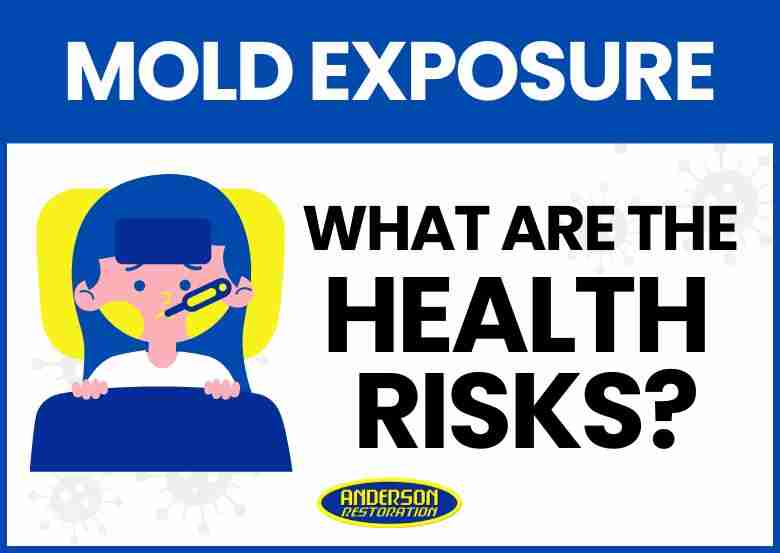
According to the Centers for Disease Control and Prevention (CDC), mold exposure can lead to a range of health issues, especially in children, the elderly, and those with respiratory problems. These risks include:
- Allergic reactions (sneezing, coughing, skin irritation)
- Asthma attacks
- Chronic sinus issues
- Fatigue and headaches
- Eye, nose, and throat irritation
It’s also important to know that not all molds are the same. Some molds, like Stachybotrys chartarum (black mold), produce mycotoxins that can be especially harmful. If you suspect mold in your home after water damage, it’s crucial to address it professionally and without delay. Call mold removal services in Houston immediately.
Early Signs of Mold After Water Damage
How long after water damage does mold grow? It can start developing as quickly as 24 to 48 hours after exposure, especially in warm and humid environments like Houston. Even if surfaces look dry, moisture can still linger deep within walls, floors, and insulation, creating the perfect breeding ground for mold.
If you’ve recently experienced a leak or flood, it’s important to act fast and know how to check for mold after water damage. Here are the early warning signs to watch for before calling mold remediation in Houston:
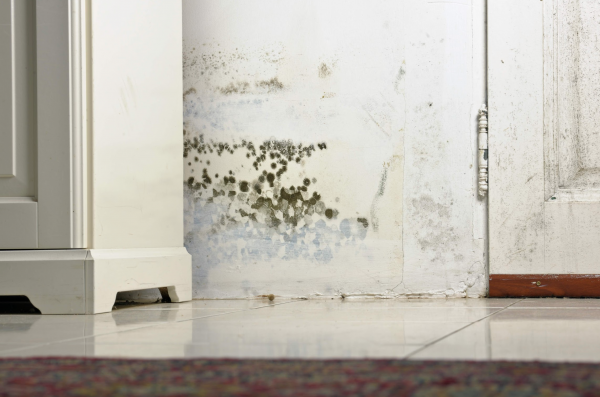
Visible Mold and Discoloration
Look for spots or stains that weren’t there before—black, green, gray, or white patches are common signs of mold.
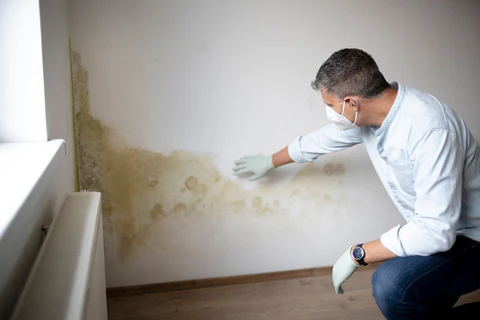
Musty Odors and Hidden Growth
A musty or earthy smell in your home, especially in areas recently affected by water, is often the first clue. Mold doesn’t always grow where you can see it.
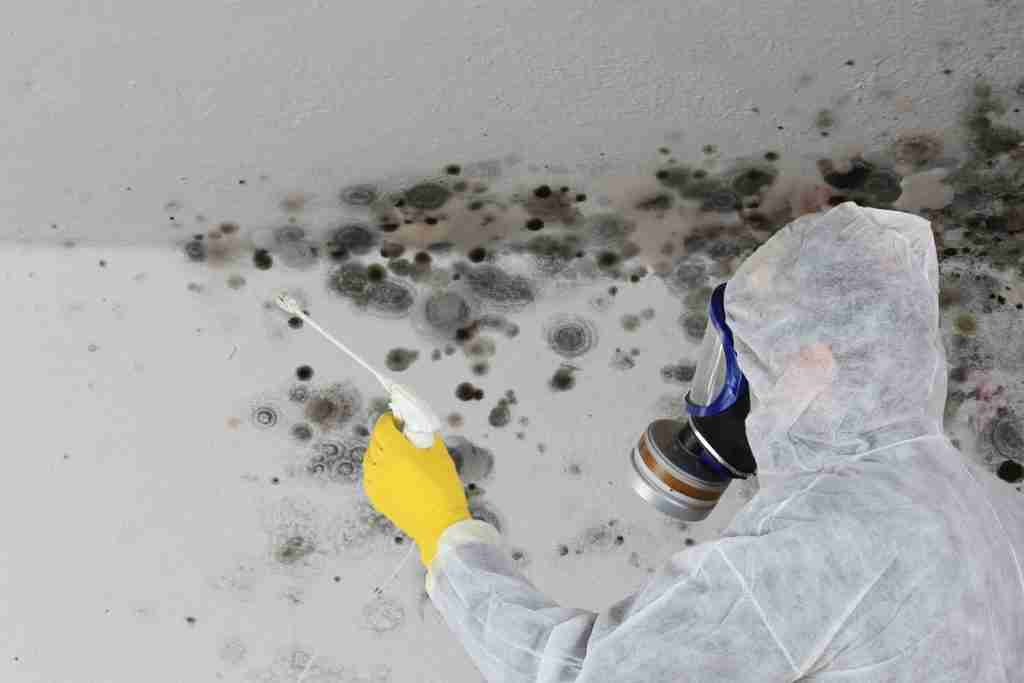
Health Symptoms That Could Indicate Mold Presence
If you or a family member starts experiencing unexplained allergy symptoms, headaches, or breathing issues, mold may be to blame—even if it’s out of sight.
Call now to speak with an expert about your concerns. We’re ready to help!
Common Types of Mold We Find After Water Damage
After water damage, mold can begin growing in as little as 24–48 hours. Houston’s warm, humid climate makes this risk even higher. Knowing which types of mold commonly appear after leaks, floods, or plumbing failures can help you act fast and protect your property and health.
Below are the most common molds homeowners encounter after water damage.
Black Mold (Stachybotrys chartarum)
Black mold is one of the most concerning types linked to long-term moisture problems. It thrives on materials like drywall, insulation, and wood that stay wet for extended periods.
- Often appears dark green or black
- Common after flooding or unresolved leaks
- Can trigger respiratory issues, headaches, and fatigue
Aspergillus
Aspergillus is extremely common after water damage and spreads easily through the air.
- Found on walls, ceilings, HVAC systems, and insulation
- Colors range from white and yellow to green or black
- Can cause allergic reactions and worsen asthma
Penicillium
Penicillium grows quickly once water damage occurs, especially in porous materials.
- Often found on carpets, wallpaper, furniture, and insulation
- Blue, green, or gray in color
- Known for spreading rapidly through spores
Cladosporium
Unlike many molds, Cladosporium can grow in both damp and cooler areas.
- Common in bathrooms, basements, and around windows
- Olive green, brown, or black appearance
- Can affect indoor air quality and trigger allergies
Chaetomium
Chaetomium is a strong indicator of serious water damage.
- Typically grows after floods or chronic leaks
- Found in drywall, subfloors, and insulation
- Has a musty odor and cotton-like texture
Found any of these mold types in your home? Call your mold remediation company in Houston immediately.
What to Do Immediately After Water Damage
Taking the right steps in the first 24–48 hours after water damage can make all the difference.
Whether it’s a burst pipe, leaking roof, or overflowing appliance, stop the source of water as soon as possible.
Use fans, dehumidifiers, and towels to dry surfaces while waiting for our mitigation team. The goal is to remove as much moisture as possible before mold has a chance to grow.
Your heating or cooling system can circulate mold spores throughout your home. Turn it off until you’re sure the area is dry and mold-free.
Contact Anderson Restoration
At Anderson Restoration, we understand how overwhelming water damage can be, especially when it disrupts your home, routine, and sense of safety. That’s why we offer professional mold remediation and water damage restoration services, designed to respond quickly, efficiently, and with compassion.
We don’t just treat what’s on the surface. Our trained specialists use advanced equipment to detect hidden moisture and ensure mold is removed at the source. From thermal imaging and moisture meters to HEPA air filtration systems, we have the tools and experience to handle even the most complex water damage scenarios. But it’s not just about the tools—it’s about the people. We take the time to listen, inspect every detail, and explain the entire process so you feel informed and in control. Our mission is to make sure that the damage ends here—and that your home doesn’t continue to suffer from hidden issues weeks or even months down the line.
Don’t wait until the damage gets worse. If you suspect water damage or mold in your home, contact Anderson Restoration today for an inspection. Our team is ready to respond and restore—so you can breathe easier, live healthier, and move forward faster.
FAQs
How to prevent mold after water damage
To prevent mold after water damage, act quickly by removing standing water, thoroughly drying all affected areas within 24–48 hours, and improving air circulation using fans and dehumidifiers. Open windows when possible and avoid using your HVAC system until everything is dry to prevent spreading mold spores.


Can You Stay in Your Home During Fire Damage Restoration

How Professional Dehumidification Works After Water Damage
We’re ready to answer your questions. Please submit the online form below to speak with an Anderson Restoration professional.