How Can You Purify Air Naturally at Moldy Homes?
Table of Contents
How to Clean the Air In Mold-Prone Homes
If you live in a home that’s prone to mold or have dealt with mold problems in the past, it’s a good idea to know how to purify air naturally at home. Mold can release mycotoxins and spores into the air, which can lower the air quality in your home.
Poor air quality can lead to health issues. These include allergies, headaches, and trouble breathing, according to Johns Hopkins Medicine. For mold-prone homes, air quality control is even more important.
Follow these steps from our experts to protect your home and health.
Remove Mold at Its Source
Start by removing mold at its source. Mold produces mycotoxins and spores that can cause illness in humans and animals when inhaled.
By removing the mold itself, you stop the continuous release of spores and mycotoxins and prevent future mold growth. This leads to cleaner air and reduces allergy and asthma symptoms for your family.
Anderson Restoration guides you through the mold removal process by carefully inspecting every area of your home, containing the mold to prevent it from spreading, and safely removing it using industrial-grade equipment and effective, safe methods.
Keep Your Surroundings Clean
Dust, dander, and debris worsen air quality, and mold spores often cling to these tiny particles. Cleaning them is one of the ways to purify the air naturally at home. Put extra attention to the following steps:
- Vacuum with a HEPA filter twice a week. HEPA filters trap tiny allergens like mold spores.
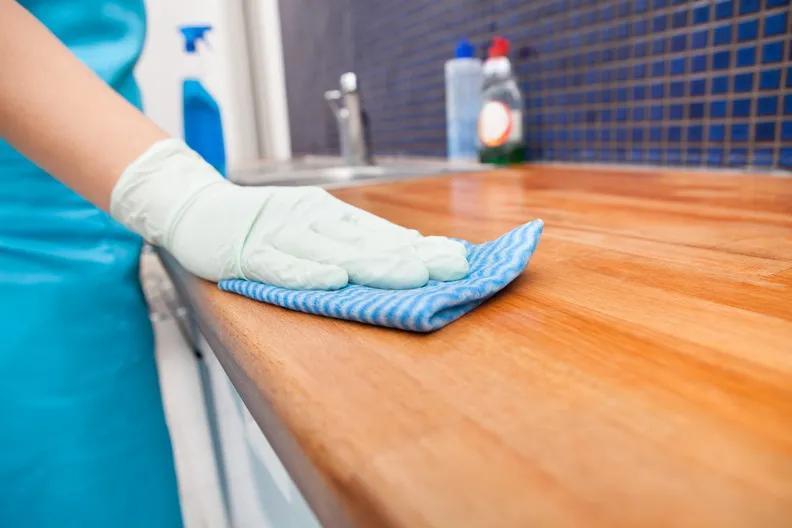
- Mop floors often and dust with microfiber cloths.
- Wash bedding and curtains regularly. These fabrics trap dust and mold spores over time.
Ensure the Room is Dry and Well Ventilated
Moisture is mold’s best friend. To control air quality, you must reduce humidity.
Here are some quick tips:
- Aim to keep indoor humidity under 50%
- Use a dehumidifier in humid rooms
- Fix leaks as soon as you find them
- Open windows when the weather allows.
According to the American Lung Association, indoor air is more polluted than outdoor air. Letting fresh air in helps dry damp spots, improves circulation, and dilutes indoor air pollution.
Check Your HVAC
Did you know that there is a connection between your HVAC and indoor air quality? Your HVAC system can spread mold by letting spores circulate through the ducts.
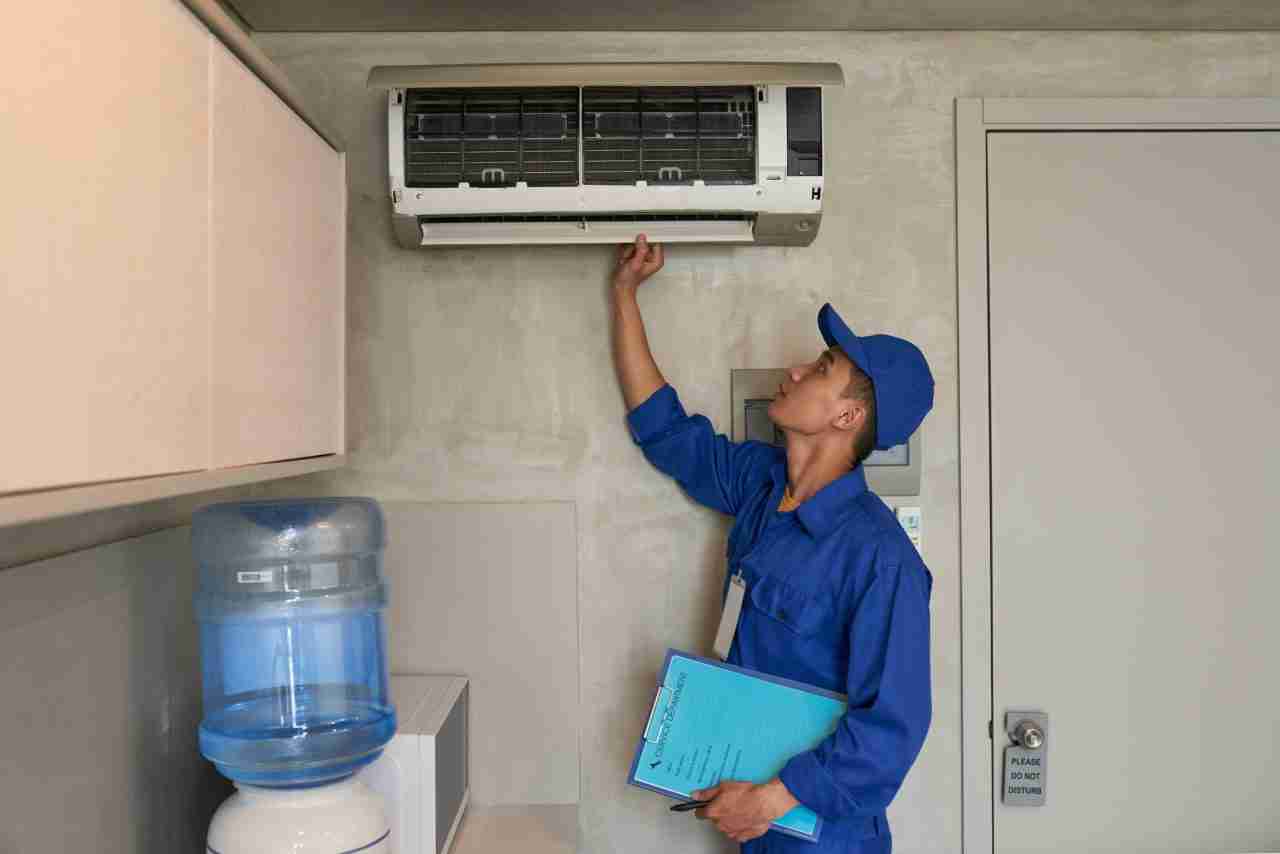
Schedule regular inspection and cleaning of your HVAC unit. The New York Times article recommends using filters with an MERV rating between 8 to 13. These traps smaller particles and mold spores better than standard filters.
Test Your Indoor Air Quality Regularly
You can’t fix what you don’t measure. Indoor air testing helps you spot problems early. It also confirms that your efforts are working.
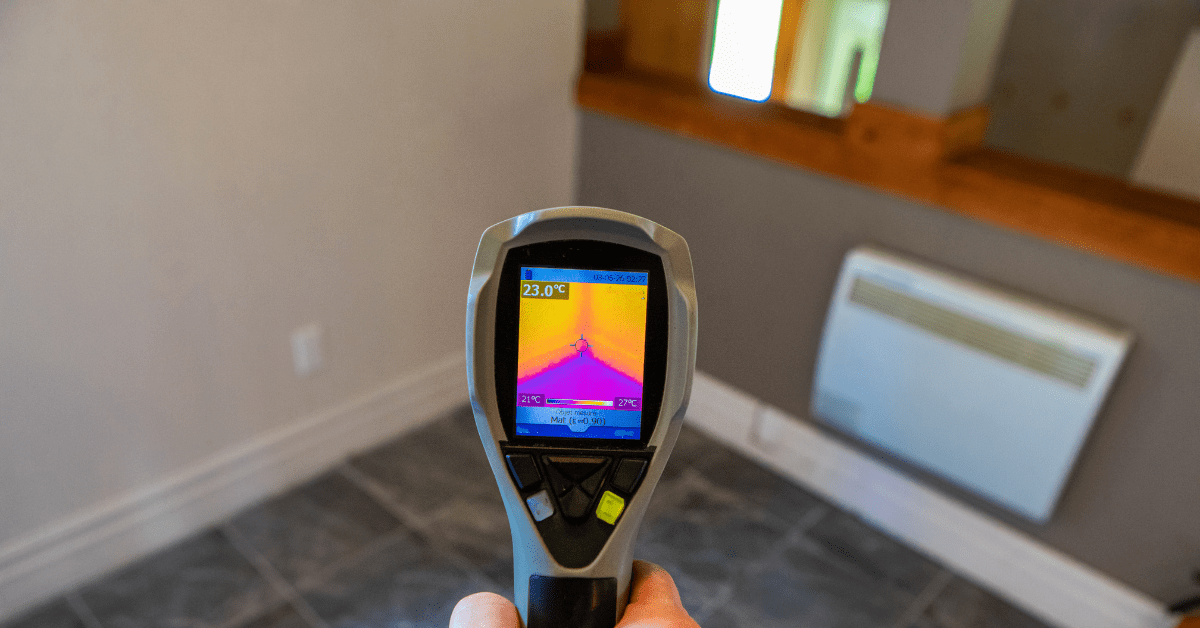
While DIY indoor air quality test kits are easy to find, nothing compares to the accuracy of certified indoor air quality experts. They use high-grade equipment to detect mold spores, VOCs, and other pollutants. You’ll receive a detailed report along with expert recommendations to improve your air.
Call now to speak with an expert about your concerns. We’re ready to help!
Measuring Indoor Air Quality
How to check the air quality in a room? Through air quality testing and measuring. This means checking what’s in the air, like mold spores, allergens, chemicals, moisture, and common indoor pollutants.
A full inspection may involve tools like spore traps and methods like surface swabs. These check walls, vents, and HVAC systems for mold. Results help identify sources of poor air and guide next steps.
Dangers of Poor Indoor Air Quality in Mold-Prone Homes
Breathing moldy air is dangerous. Children, elderly people, and those with asthma are most at risk. Mold can cause coughing, sneezing, and fatigue. Some people get nosebleeds, headaches, or rashes. In severe cases, mold toxins may impact the nervous system.
Clean air isn’t just a comfort, it’s critical for overall health. If your home smells musty or feels damp, don’t ignore it. These are signs your air isn’t safe. The risks are too serious to delay.
Improve Your Indoor Air Quality with Anderson Restoration
By staying on top of cleaning, fixing leaks, and checking your HVAC, you’re not just protecting your house, you’re making sure your loved ones can breathe easier every day. Complete mold removal and regular air quality testing give you peace of mind, knowing you’re catching problems at their source.
Anderson Restoration understands the challenges of mold-prone homes in Houston. Our team provides expert mold remediation services tailored to local conditions. Call Anderson Restoration today for a mold remediation service.
FAQs
Are UV Lights Effective in Killing Mold?
Ultraviolet germicidal irradiation (UVGI) cleaners use UV light to destroy mold, but the devices made for home use are often limited in effectiveness. As a result, they may not significantly reduce allergy-like symptoms caused by mold or mycotoxins.
How Will I Know if My HVAC Has Mold?
Common signs of mold in your HVAC system include:
- A persistent musty or earthy odor when the system runs.
- Visible mold growth on vents, coils, or inside ductwork.
- Increased allergy symptoms (sneezing, coughing, itchy eyes) or respiratory issues among household members, especially when the HVAC is operating.
- Unexplained dust buildup or black spots around air registers and vents.
- Moisture or water stains near the HVAC unit, which create conditions for mold growth.
If you notice any of these signs, schedule a professional inspection and cleaning to protect your home’s air quality.


Can You Stay in Your Home During Fire Damage Restoration

How Professional Dehumidification Works After Water Damage
We’re ready to answer your questions. Please submit the online form below to speak with an Anderson Restoration professional.