Does Opening Your Windows Help with Mold?
Table of Contents
Should You Open Your Windows to Prevent Mold?
Does opening windows help with mold problems indoors? Yes! Cracking your windows open for even a short time can help reduce mold growth, depending on the situation.
Here’s why it works: mold thrives in moisture. If your indoor humidity is too high, you’re giving mold exactly what it needs. Opening windows lets fresh, drier air in and allows damp air to escape, helping you keep humidity levels in check, especially in a small space like a bay.
But let’s explore in more detail:

Open Windows Draw Moisture Out
When your home doesn’t have good air circulation, moisture from everyday activities like cooking or showering builds up and lingers. That damp air settles on surfaces where mold spores live, creating the perfect mold environment.
Opening windows can help by letting out moist indoor air and bringing in drier air from outside. This lowers humidity and makes it harder for mold to thrive. Just be sure the outdoor air is drier. If it’s more humid outside, this trick can backfire.
Open Windows Let Sunlight In
Sunlight dries surfaces and creates heat. Mold hates dry, hot spots. Letting sunlight in slows down mold growth.
Morning sunlight is often better for opening windows in Houston. It’s less humid, and you can catch cooler breezes. Afternoon air can be muggy and hot, which raises indoor humidity.
This tip won’t help much on cloudy, wet days. If your windows face north or are shaded, you might not get enough sunlight for this method to work.
Open Windows Dilute Mold Spore Concentrations
Mold spores float in the air both indoors and outdoors. But when indoor air is stagnant, spores build up. Indoor mold spore concentration is much worse if you currently have mold inside, hidden or not.
Opening your windows allows fresh air to blow in and push those spores out. This helps clean the air in your home and lowers spore buildup.
However, this won’t work if outdoor mold levels are high, like after storms or during peak allergy seasons. You may end up inviting more spores inside.
So, does opening your windows help with mold? Generally, yes, but think of it as a short-term fix. It won’t magically get rid of mold, and not an alternative to professional mold remediation services.
In some cases, like when it’s humid outside, opening your windows can make things worse by adding more moisture to the air indoors.
Call now to speak with an expert about your concerns. We’re ready to help!
When Should You Not Open Your House Windows?
If opening your windows is not always effective, when should you not open your house windows? There are events when cracking your windows is counterproductive in keeping mold growth under control.
Take note of the following events:
When It’s More Humid Outside
Houston weather can be tricky. Some days, it’s more humid outside than inside. If you open your windows then, you’re letting moisture in, not out.
Use a hygrometer to check the humidity levels first. If outdoor humidity is over 60%, skip this step and try another method. 60% humidity triggers mold growth, according to the Center for Energy and Environment.
When It’s Raining
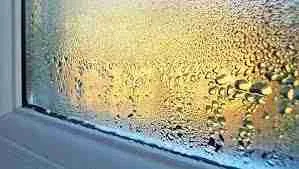
If you open your windows when it rains, it causes water to enter your home. Even light rain raises humidity levels.
Mold loves wet windowsills and frames. Keep them shut when it rains to avoid giving mold a place to grow. Otherwise, you might see mold on your window.

In Which Areas of Your House Should You Open Your Windows?
You can still reap the benefits of opening your windows during perfect weather. And doing so, especially in highly humid areas of your home, is recommended. So, what are these highly humid areas?
Bathroom
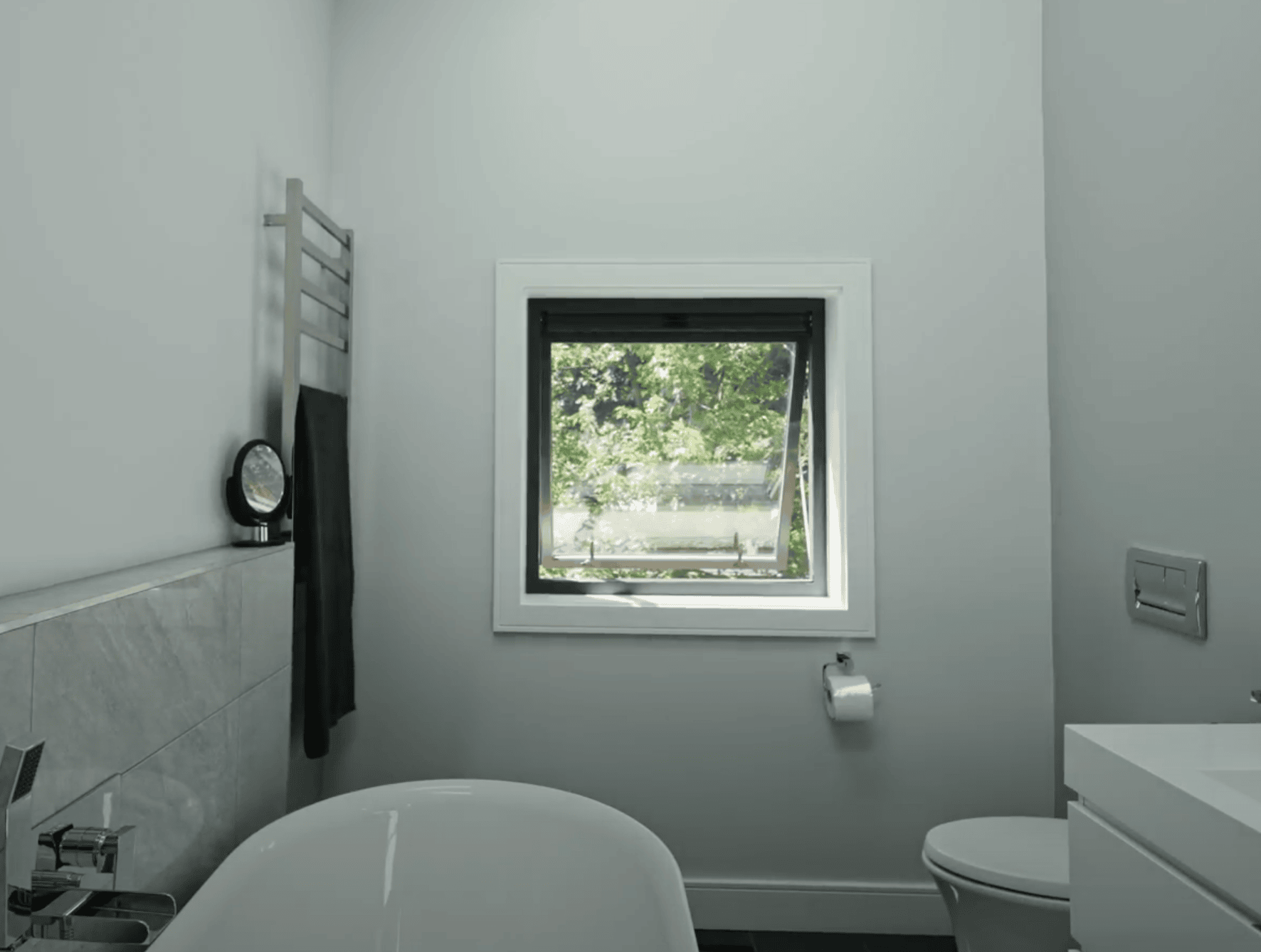
The bathroom is one of the most humid places in any home. Showers and baths release steam that builds up fast. If you can open a window, do it after using hot water.
But if it’s already humid outside, opening the window might not help. In that case, you’ll want to use a fan or another method.

Kitchen
Cooking, boiling water, and washing dishes all add moisture to the air. If your kitchen has a window, open it while cooking to let the steam out.
Avoid opening windows when it’s raining or humid outdoors. You’ll trap more moisture inside instead of releasing it.
Laundry Room
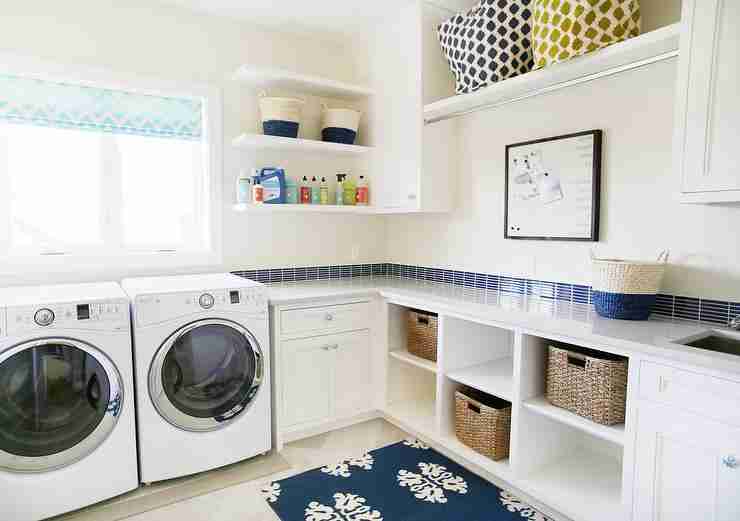
Dryers and washing machines can raise indoor humidity. If you air-dry clothes inside, that adds even more moisture.
Open windows in the laundry room during and after washing clothes. Still, don’t do this if it’s muggy outside or your clothes are already drying in a closed space.
How Long Should You Keep Your Windows Open?
The weather is good, and you want to let humid indoor air out. How long should you keep your windows open? Try leaving your windows open for 15 to 30 minutes each day. That gives time for stale, moist air to leave and fresh air to come in.
The key is balance. Don’t overdo it. Too much open-air exposure during humid days can backfire.
Opening Your Windows: Morning, Evening, or Overnight?
In Houston, mornings are usually cooler and less humid. That makes them a better time to open windows. But again, do it only if the air is dry outdoors.
The University of Central Florida strongly suggests avoiding opening windows late in the evening and overnight. Temperatures drop, but humidity often rises. You could end up with wet surfaces by morning.
Don’t Rely on Just Opening Your Windows
Open house windows do help— sometimes. But it’s not a one-size-fits-all solution. In Houston, where the weather can change fast, you need options. Be mindful of outdoor humidity, temperature, and weather patterns. Pair window opening with other strategies to keep mold away.
Beat mold with professional help from Anderson Restoration. Anderson Restoration is Houston’s mold experts, trusted by thousands of homeowners in Texas. Our certified mold specialists use advanced tools to track moisture and remove hidden mold. If you’re unsure what’s causing the problem, we’ll inspect your air quality and help you breathe easier.
Call Anderson Restoration for a free consultation, and we’ll take your mold and humidity problems in our hands.
FAQs
Should I open windows if I see visible mold?
If you have a significant mold problem (e.g., a patch larger than 10 square feet), it’s best to avoid disturbing the area and call a professional. Opening windows may spread spores to other parts of your home.
If keeping windows open for long periods isn’t usually recommended, why do experts suggest it after mold remediation?
The key difference is timing and purpose. Opening windows after mold remediation is recommended to ventilate and dry the space, removing spores and VOCs released during cleaning.
This targeted ventilation is different from general advice about window opening for mold prevention, which depends heavily on outdoor humidity and weather conditions.


Can You Stay in Your Home During Fire Damage Restoration

How Professional Dehumidification Works After Water Damage
We’re ready to answer your questions. Please submit the online form below to speak with an Anderson Restoration professional.