Will a Dehumidifier Help Prevent Mold Growth?
Table of Contents
Dehumidifiers Prevent Mold Growth
A part of living in Houston is dealing with high humidity almost year-round. Being situated near a body of water and a route for hurricanes, it is hard to maintain ideal indoor humidity levels. And it is not great for your home.
Too much moisture can lead to mold growth. Mold needs moisture to grow. When your indoor humidity stays high, mold spores find the perfect place to settle and grow. Bathrooms, kitchens, attics, and even closets are all easy targets.
One simple way to fight this is by using a dehumidifier. But will a dehumidifier stop mold growth? Let’s walk through how dehumidifiers can get rid of mold and when they may not be enough on their own.
How Dehumidifiers Work
A dehumidifier uses a fan to draw humid air into its system. Inside, the air passes over cooling coils, where the temperature drops.
When the warm, damp air touches these cold coils, the water vapor turns into liquid droplets that drip down into a collection tank. The dehumidifier then releases much drier air back into the room.
The reason dehumidifiers prevent mold growth is that they keep the moisture level low. When there is no moisture, it’s harder for mold to survive. It is more difficult for them to reproduce and spread to other parts of the house.
According to the Environmental Protection Agency, indoor humidity levels should stay between 30% and 50%. Mold grows in homes with humidity levels higher than that.
Call now to speak with an expert about your concerns. We’re ready to help!
Signs That You Need Dehumidifiers for Mold
A high moisture level is already a glowing warning sign of mold. You need to take action quickly to control humidity indoors before mold begins to grow and spread. But how do you know if your home is suffering from moisture?

High Humidity Levels
As mentioned, the best humidity level for your home is between 30% and 50%. Anything higher can trigger mold. You can check this with a simple tool called a hygrometer, which you can find online or in hardware stores.
If your readings are consistently over 60%, it’s time to act. That level gives mold everything it needs to grow fast. However, some hygrometers can be inaccurate.
Professional mold inspectors in Houston, like Anderson Restoration, not only measure humidity levels with precision, but they also address the underlying causes of moisture and, eventually, mold.
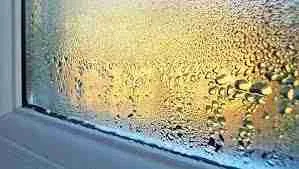
Musty or Damp Odors
Moisture does not directly cause a musty smell, but it leads to mold growth that causes the damp odor. A musty, earthy smell is often a big clue that mold is hiding somewhere.
That damp odor comes from mold spores releasing gases as they grow. It’s common in closets, basements, or unused guest rooms.
If you walk into a room and it smells “off,” trust your nose. Mold may be growing behind walls or under floors where you can’t see it yet.
Water Stains on Walls and Ceilings
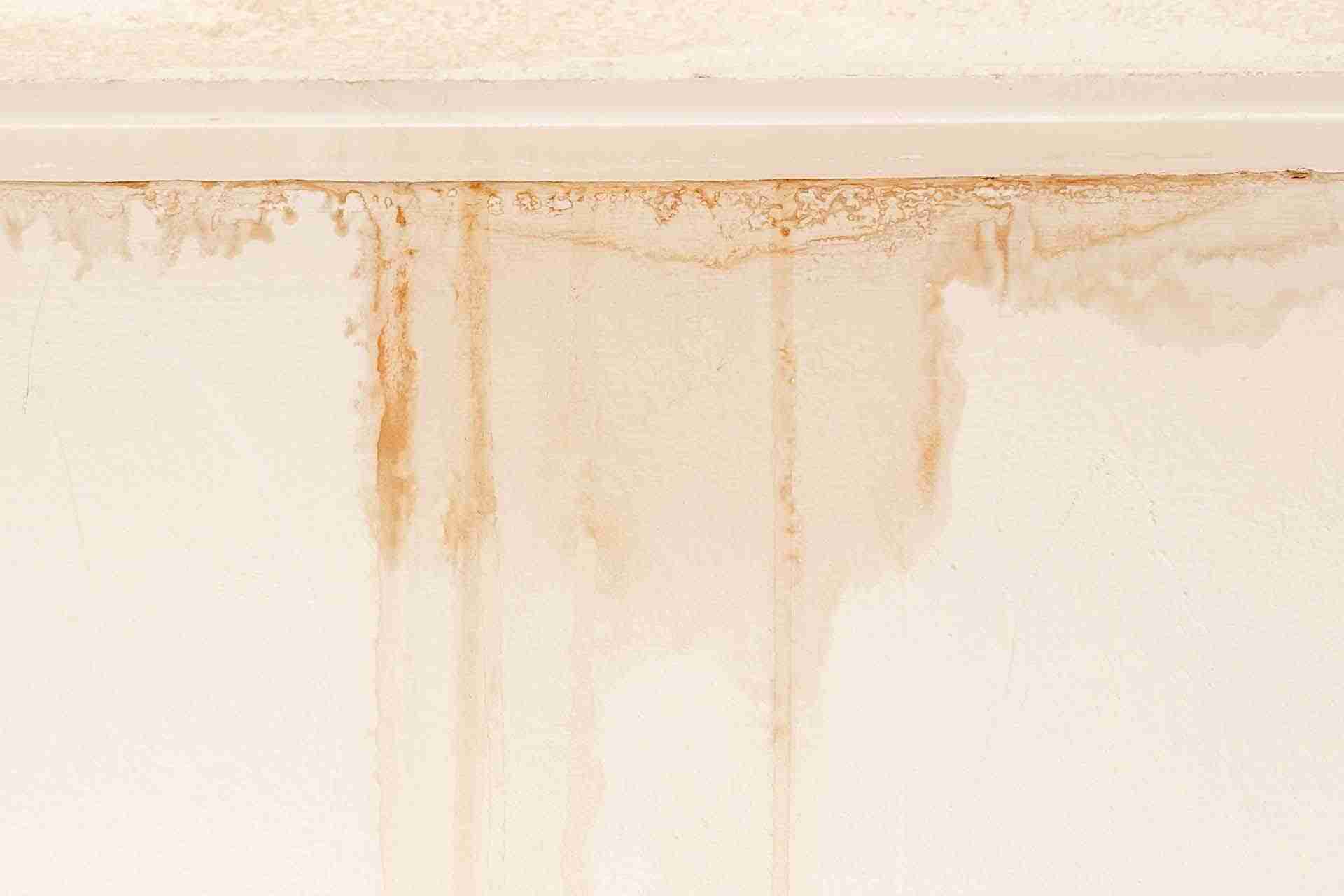
Brown, yellow, or rusty stains on your walls or ceilings usually mean water damage. These stains can be from a leaky roof or pipes. Condensation from moisture can also leave stains. These stains may be round or spread out in streaks.
Over time, those wet spots can grow mold. If you see stains, it’s a sign that moisture is trapped and may be feeding mold behind the surface.
Bubbling Paint and Wallpaper
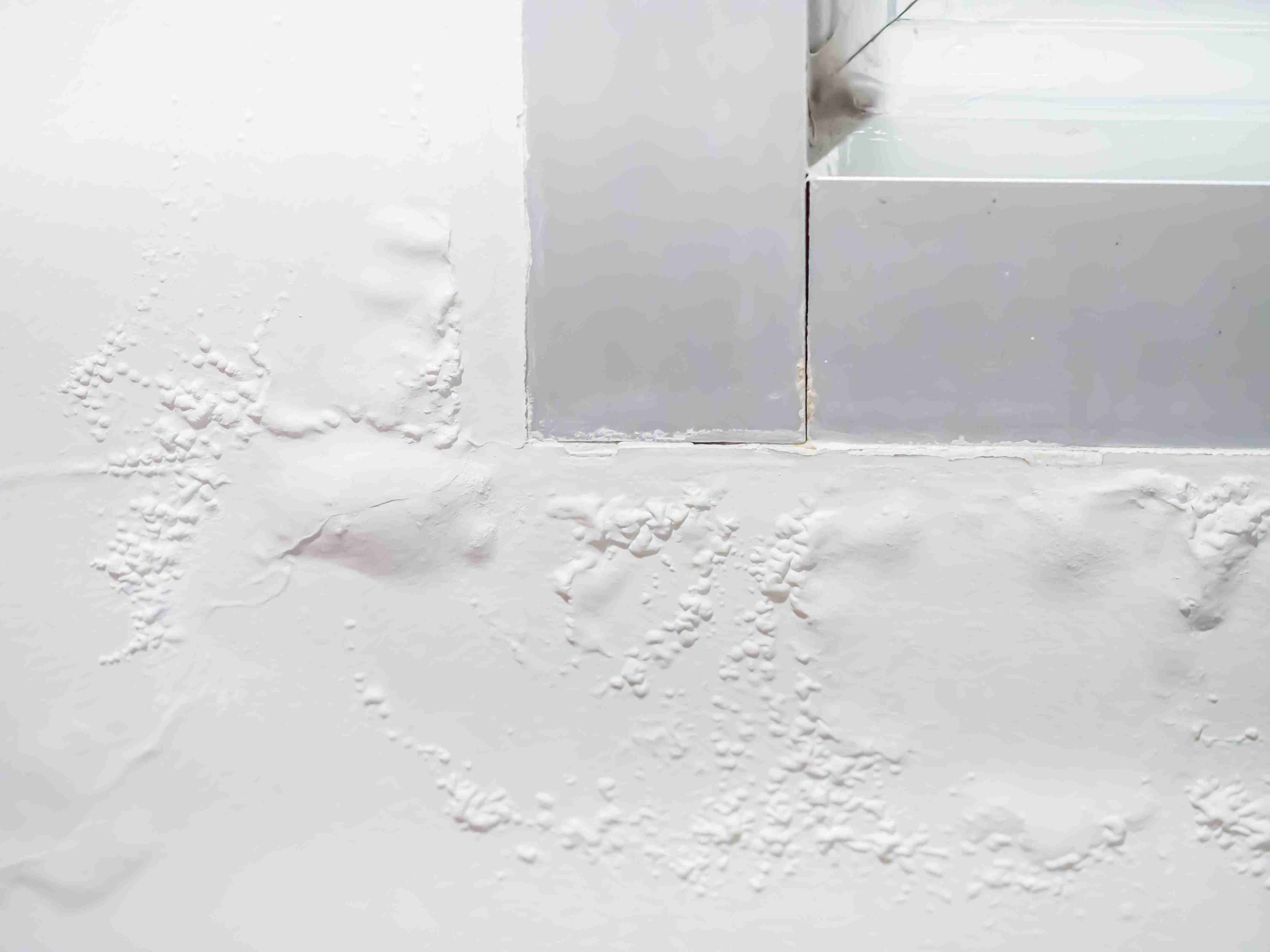
When moisture builds up behind walls, it pushes on paint and wallpaper. You might see blisters, bubbles, or peeling in patches.
This doesn’t just make your walls look bad. It also shows that the area might be damp, which invites mold to grow inside the wall.
Allergy-like Symptoms
Mold spores can trigger sneezing, coughing, a runny nose, or itchy eyes, according to the Cleveland Clinic. These symptoms are often worse indoors and ease up when you leave the house.
If your allergies seem worse at home, especially in rooms that feel damp, mold might be the cause. A dehumidifier can help clear the air and reduce these reactions.

Early detection of a moisture problem is the key to managing mold at its still-controllable stage. You can deploy dehumidifiers to delay mold growth before calling a trusted mold remediation company in Houston.
Dehumidifiers Make a Big Difference
Mold needs moisture to grow, and Houston homes have plenty of it. That’s why dehumidifiers are one of your best defenses. They help control humidity levels and are often used alongside water damage restoration in Houston homes to prevent moisture-related issues before mold has a chance to spread.
Will a dehumidifier stop mold growth? It can help, but it’s not a complete solution. You also need to repair water damage, improve ventilation, and stay alert for early signs of mold. Prevention is about being proactive, not reactive. Most importantly, for severe mold problems, professional mold remediation remains the most effective way to eliminate mold.
Get full mold protection from Anderson Restoration. We don’t just place a dehumidifier and walk away. Our team identifies the source of excess moisture, whether it’s hidden leaks or unresolved water damage, and applies proven water damage restoration solutions to stop mold at its source.
We proudly serve Houston homeowners with friendly, expert care and industry-approved equipment to keep homes dry and healthy. Whether you’re dealing with a small mold issue or need a full inspection after water damage, Anderson Restoration has you covered. Schedule a free consultation with Houston’s trusted mold and water damage experts today.
FAQs
Will a dehumidifier kill mold?
No, a dehumidifier does not kill mold. Instead, it helps prevent mold growth by reducing the humidity and moisture levels in the air, which mold needs to thrive. Mold spores can still survive in dry conditions, but they remain in a dormant state. They become active once the moisture level increases.
How many dehumidifiers do I need to control mold?
The number of dehumidifiers needed depends on the size of the space, humidity level, and layout and ventilation. For example, for whole-home moisture control, multiple units or a whole-house dehumidifier system may be necessary. One dehumidifier may be enough for a single, moderately sized room with mild humidity issues.


Can You Stay in Your Home During Fire Damage Restoration

How Professional Dehumidification Works After Water Damage
We’re ready to answer your questions. Please submit the online form below to speak with an Anderson Restoration professional.