The True Cost Of A Mold Inspection | Houston, TX
Table of Contents
Why Mold Inspection Matters
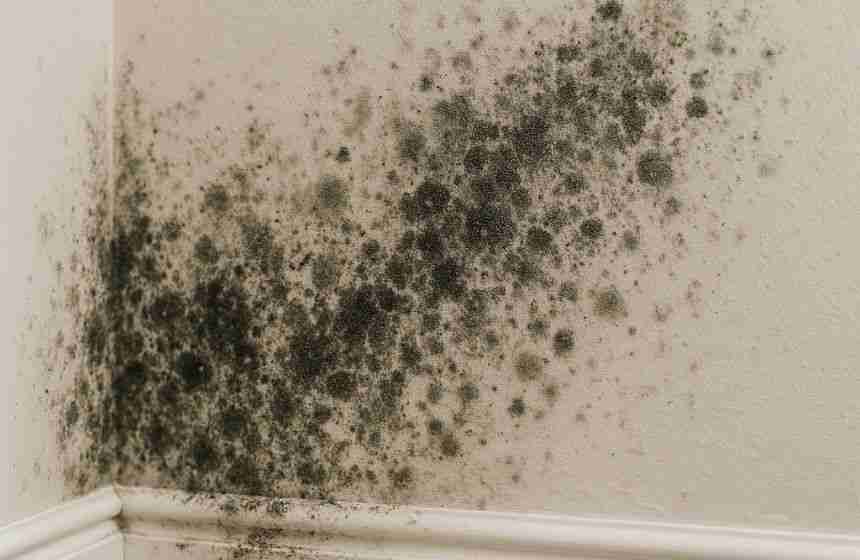
Did you know that Houston’s average humidity is over 75 percent for most of the year? This creates a perfect place for mold to grow. It can also lead to higher mold inspection costs over time. The city’s long rainy season, paired with occasional hurricanes or tropical storms, can leave homes damp for days or even weeks. Add in Houston’s history of flooding, and it is no surprise that mold is a concern for homeowners, landlords, and buyers.
Mold is more than a cosmetic problem. It can weaken building materials, damage personal belongings, and trigger health issues like allergies, asthma flare-ups, and respiratory irritation. In severe cases, certain mold species can release toxins that pose serious risks, especially for children, older adults, and individuals with compromised immune systems.
For property owners in Houston, regular mold inspections are a key form of protection. An inspection can detect hidden growth before it spreads into walls, HVAC systems, or other hard-to-reach areas. Early detection often leads to lower cleanup costs, less disruption to the home, and reduced health risks. This guide will cover when to get an inspection, how much it costs, the types of inspections available, and how different mold species can affect the total bill. You will also learn about the inspection process, how to prevent mold from returning, and why timing matters in Houston’s climate.
How Much Does a Mold Inspection Cost in Houston?
Mold Inspection prices in Houston depends on several factors, but most homeowners can expect to spend:
- Small homes or condos: $300–$450
- Larger homes (over 4,000 ft²): $700–$1,000+
- Black mold testing add-ons: $200–$300
Elements that influence mold assessment costs
- Home Size and Age: Larger homes take longer to inspect, and older homes — particularly those in areas like The Heights or Montrose — may require more thorough checks due to past renovations or older building materials.
- Accessibility: Mold growing in crawl spaces, attics, or tight utility closets may require extra time, special equipment, and sometimes minor demolition to reach.
- Number and Type of Samples: Some inspections include one or two samples, but more extensive testing will raise the price. Each added sample can cost around $70.
- Local Lab Testing Costs: In Houston, lab fees for analyzing air or surface samples can vary based on turnaround time and the type of analysis required.
- Specialized Testing: If black mold (Stachybotrys chartarum) is suspected, inspectors often recommend additional targeted testing, which can increase costs.
Compared to the rest of the country, mold inspection costs in Houston are about average. The big difference is that Houston’s weather and flood risk mean you might need inspections more often. Planning ahead and setting aside money for them can save you a lot of stress later.
How Mold Inspectors Structure Pricing Tiers
While pricing can vary between mold inspection companies, this breakdown provides a clear visual of how many Houston-area inspectors typically structure their services. Not every business will follow these exact tiers, and some may bundle services differently or adjust prices based on property size, accessibility, and the complexity of the job.
Still, this outline offers a useful reference point for understanding the types of packages you’re likely to encounter and what’s generally included at each level.
1. Basic / Entry-Level Mold Inspection
- Cost Range: Between $300–$600
- Includes: Visual evaluation, moisture readings, and a basic site assessment.
- Best For: Smaller properties, early-stage concerns, or quick checks after a leak.
2. Standard Mold Evaluation
- Cost: Around $595
- This can Include: Site visit, two lab samples (one outdoor control and one indoor), a lab report, and recommendations.
- Best For: Routine inspections or during home buying/selling.
3. Detailed Mold Assessment Plan
- Cost: Around $850
- Includes: Up to four samples (one outdoor and three indoor), a full inspection, a written management plan, and referrals to remediation or HVAC specialists.
- Best For: Suspected widespread mold or properties with a history of flooding.
4. Remediation Protocol
- Cost: Around $1,200+
- Includes: For mold areas over 25 ft²; provides a detailed plan for removal, containment design, PPE guidelines, CAD layout, control measures, and clearance criteria.
- Best For: Known mold that requires removal and may involve insurance or legal documentation.
5. Per-Sample Costs
- Add-On: About $70 per extra sample beyond the package limit.
- Best For: Testing additional rooms, surfaces, or HVAC ducts.
Call now to speak with an expert about your concerns. We’re ready to help!
The Average Cost of Inspection and Removal Combined
When inspections and remediation are both needed, costs can add up quickly. In Houston, combined service prices typically fall into these ranges:
- Small area (like a bathroom): $800–$1,500 total.
- Whole-home remediation after flooding: $5,000–$10,000+.
The inspection determines the scope of remediation. For example, if mold is limited to one wall and caught early, removal might be as simple as replacing drywall and treating the area with antimicrobial solutions. But if it’s found in HVAC systems or behind multiple walls, costs climb due to containment, protective equipment, and extra labor.
Insurance can help, but coverage depends on the cause. Standard homeowners’ policies often cover sudden water damage (like a burst pipe) but not flood-related mold, which usually requires separate flood insurance.
Investing in regular inspections — especially after heavy rain or plumbing issues — can prevent large-scale damage and save thousands in repairs.
Mold Species That Can Affect Inspection and Removal Costs
Some mold species are more complex and expensive to deal with due to their biology, health risks, and growth patterns. Here’s a closer look at the most common (and costly) species in Houston, along with what you might expect to pay for removal:
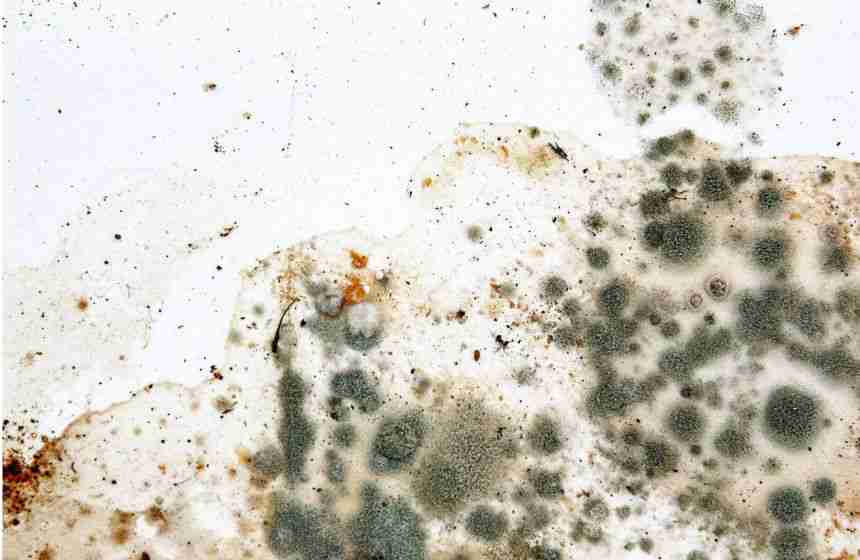
Stachybotrys chartarum (Black Mold)
Known for its dark green-black appearance, this toxic mold produces mycotoxins that can cause severe respiratory issues and neurological symptoms. It thrives on cellulose-rich materials like drywall, wood, and paper when moisture is present for extended periods. Because airborne spores can be dangerous when disturbed, removal requires strict containment, HEPA filtration, protective suits, and negative air pressure systems.
Aspergillus
A widespread mold genus with species that can cause allergic reactions and, in rare cases, lung infections. Aspergillus easily colonizes HVAC systems because it can grow on dust and insulation within ductwork. Once inside ventilation systems, spores can spread throughout the home, making full-system cleaning or duct replacement necessary.
Cladosporium
Very common in Houston due to the region’s humidity, Cladosporium can grow on wood, carpet, fabrics, and HVAC ducts. While not usually as toxic as black mold, it spreads rapidly in damp environments, often covering large areas before being detected.
Penicillium
Famous for its role in creating antibiotics, certain Penicillium species indoors are far less friendly. It penetrates deep into porous building materials like carpet, insulation, and wallpaper. Once embedded, these materials often cannot be cleaned and must be removed and replaced.
Chaetomium
Frequently found behind walls, under floors, and inside water-damaged materials. It produces spores that may cause allergic reactions and can sometimes produce toxins. Its hidden growth means inspectors must perform invasive checks like cutting into drywall or using borescopes, adding both inspection and repair costs.
Inspection vs. Testing vs. Remediation
- Inspection – This is always the first step. A trained inspector looks for visible signs of mold and checks for hidden moisture using tools like moisture meters, thermal cameras, and borescopes. The goal is to identify potential problem areas and decide if testing is necessary.
- Testing – If the inspection finds suspicious spots or the homeowner wants confirmation, testing is done. Air and surface samples are collected and sent to a lab to determine the type of mold and spore count. This step is especially important if black mold or toxic species are suspected, or if the mold is hidden inside walls or HVAC systems.
- Remediation – Once inspection and testing confirm the mold problem and its extent, remediation begins. This involves safely removing mold, cleaning or replacing contaminated materials, addressing the source of moisture, and taking steps to prevent future growth.
How they work together:
The inspection guides where and how testing should be done. Testing provides precise identification and helps determine the level of safety measures needed during remediation. Remediation solves the actual problem, using information from both the inspection and the test results to make sure the removal is complete and the cause is fixed.
The Cost of DIY Mold Inspection
Some Houston homeowners consider inspecting for mold themselves to save money or get quick answers. While a professional inspection is the most reliable way to identify and address mold, there are situations where a DIY approach may seem appealing. Below are common DIY options and what they typically cost.
Mold Testing Kits You Can Buy at Walmart or Home Depot
Mold Armor Do-It-Yourself Mold Test Kit
This is one of the most affordable mold testing kits you can buy and is stocked at both Walmart and Home Depot. It includes a petri dish, swab, and growth medium, allowing you to test surfaces, HVAC vents, or the air for mold spores. You can also send your sample to a lab for identification at an additional cost, which helps determine if harmful mold species like black mold are present. This kit is simple to use and a great choice for quick at-home checks.
Estimated Cost: ~$10 (plus ~$40 for optional lab analysis)
Healthful Home 5-Minute Mold Test Kit
Found at Walmart, this kit is designed for fast results, giving you mold detection in about five minutes. It uses a swab and test cassette to identify common harmful molds such as Stachybotrys (black mold), Aspergillus, and Penicillium. While it’s not as comprehensive as full lab testing, it’s ideal for quickly checking small areas like bathrooms or basements. Optional follow-up support is also available from the manufacturer.
Estimated Cost: ~$44
Texas Mold Law: Is a Professional Inspection Required Before Removal?
Yes — Professional Assessment is Mandatory Before Remediation
State law mandates that a mold assessment must be completed before any remediation work begins. The licensed mold assessor must provide a detailed work plan outlining areas to be addressed, quantities of materials, remediation methods, and clearance criteria.
So although you can buy a testing kits to see if you have mold, to get remediation done by a licensed company like Anderson Restoration and have it covered by insurance, a professional mold inspection will need to have happened.
Learn more: HERE
There Are Some Emergency Exemptions
In disaster situations—such as after Hurricane Harvey—state authorities have waived this requirement temporarily, allowing mold remediation to proceed even before assessment due to the urgency and scale of cleanup
Small-Scale Cleanup Can Be Done Without Licensing
If you’re dealing with less than 25 square feet of visible mold, and it’s a residential property (not a multi-unit building with 10+ units), then you’re not required to follow the full protocol or be licensed. In those cases, assessments and official remediation protocols aren’t required by law.
See here < https://www.tdlr.texas.gov/mld/mldfaq.htm?
Insurance and Mold Cost
Insurance can play a big role in how much you end up paying for mold inspection and removal. Depending on your policy and the cause of the mold, insurance may cover part or all of the costs — or it may cover nothing at all. In Houston, this can be especially important after flooding, storms, or sudden water damage. Understanding what your policy does and doesn’t cover can help you avoid unexpected expenses.
Does Insurance Help With Mold Inspection?
In most cases, homeowners’ insurance will only cover mold inspection if the mold was caused by a covered peril, such as a burst pipe or sudden appliance leak. If mold is the result of long-term humidity, neglect, or flooding (without flood insurance),
the inspection cost is usually out-of-pocket. Some insurers may reimburse inspection fees if it’s part of an approved remediation claim, but this varies widely by company and policy. Always review your coverage before scheduling an inspection, so you know whether you can expect financial help.
3 Steps to Take if You Find Mold
1. Try to Find the Source of Moisture (If You Can)
Most people aren’t trained to track down hidden leaks or humidity issues, so don’t stress if you can’t figure it out. If it’s something obvious, like a dripping pipe under the sink or a wet patch on the ceiling, stop the water if possible. If you can’t locate it, just make a note of where you see the mold and move on to the next step.
2. Document Everything Clearly
Grab your phone and take photos or videos of the mold and any signs of water damage nearby. Get close-ups and wide shots. Write down where it is, when you first noticed it, and anything unusual you’ve seen or smelled (like musty odors). This isn’t just for insurance — it also helps mold specialists understand the situation before they even arrive.
3. Call Mold Experts Like Anderson Restoration
Mold can spread fast, especially in Houston’s humid climate. The sooner you bring in a professional, the less damage you’ll have to deal with. A company like Anderson Restoration can bring their trusted mold inspectors to find hidden growth, test the type of mold, and give you a clear plan to get rid of it safely and completely.


Can You Stay in Your Home During Fire Damage Restoration

How Professional Dehumidification Works After Water Damage
We’re ready to answer your questions. Please submit the online form below to speak with an Anderson Restoration professional.