You called a mold remediation company, they came out, and now you’re staring at a quote that looks like a foreign language. What is “containment installation”? Why is “HEPA vacuuming” a separate line? And why does this cost more than you expected? You’re not alone. We hear this all the time at Anderson Restoration, and honestly, it’s a fair frustration. Quotes for mold work can feel opaque, especially when you’re already stressed about a problem in your home. So let’s break it all down, line by line, in plain English.
Why Mold Remediation Quotes Vary So Much
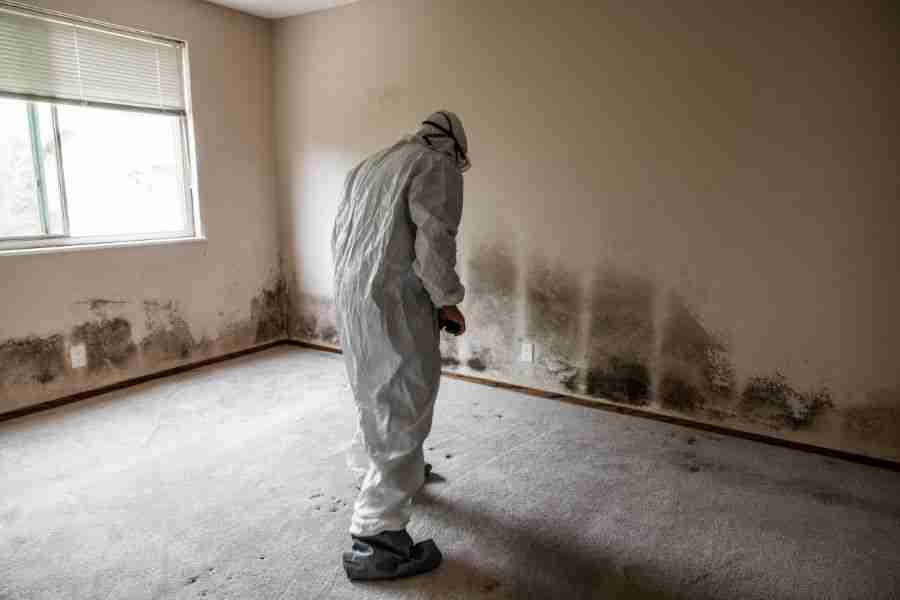
Mold remediation isn’t a flat-rate service. The price depends on where the mold is, how far it’s spread, what materials are affected, and how complicated containment needs to be. Two homes with the same square footage can end up with very different scopes of work and very different price tags.
Here are the main factors driving cost:
- Location: Mold inside wall cavities or under flooring costs more to access than mold on an exposed surface.
- Size of affected area: More square footage means more labor, more materials, and more disposal costs.
- Material type: Porous materials like drywall or wood often need removal. Non-porous surfaces like concrete can sometimes be cleaned in place.
- Contamination level: Heavy mold growth may require more aggressive containment and multiple treatment phases.
- Source of moisture: If the water source hasn’t been fixed, that adds work before remediation can even begin.
If you’ve seen a wide range of quotes online, that’s normal. Mold removal costs vary significantly based on all of the above. No reputable contractor can give you a real number without actually seeing the problem in person.
Not sure what you’re looking at?
Our team at Anderson Restoration is happy to walk you through any quote, including one from another company. We believe an informed homeowner makes better decisions.
What Each Line Item Actually Means
Here’s a breakdown of the most common items you’ll see on a mold remediation quote, and what each one actually involves.
| Line Item | What It Means |
|---|---|
| Assessment / Scope Development | The initial evaluation to identify affected areas, determine material types, and build the work scope. Some companies charge for this separately. |
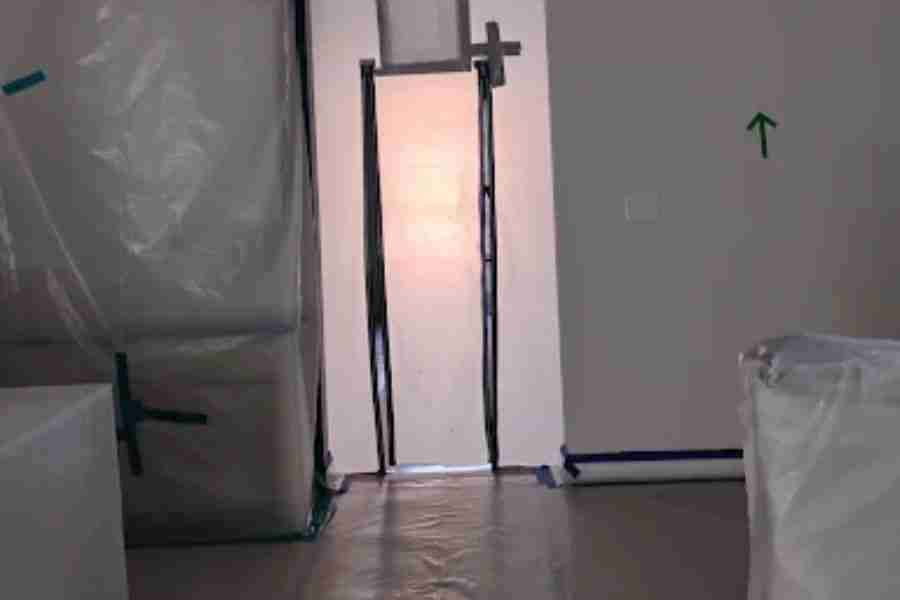
| Containment Setup | Plastic sheeting and negative air pressure barriers installed to keep mold spores from spreading to unaffected areas during work. |
| HEPA Vacuuming | High-efficiency vacuuming that captures mold spores at the microscopic level. Standard shop vacs won’t cut it here. |
| Antimicrobial Treatment | Application of EPA-registered products that kill remaining mold organisms and inhibit regrowth on treated surfaces. |
| Demo / Material Removal | Physical removal of compromised drywall, insulation, flooring, or other porous materials that can’t be cleaned effectively. |
| Disposal / Haul-Away | Bagging and transporting contaminated materials to an approved disposal facility. This usually includes dumpster rental or hauling fees. |
| Air Scrubbing | Running HEPA-filtered air scrubbers throughout the work area to continuously capture airborne spores during and after remediation. |
| Post-Remediation Clearance (Third-Party) | Air or surface sampling conducted by a licensed third-party tester to confirm remediation was successful. In Texas, this must be performed by a licensed independent company, not the remediation contractor. |
Costs That Can Catch You Off Guard
Even a thorough quote can have costs that surface once work begins. This isn’t necessarily a sign of a shady contractor. Sometimes mold hides behind drywall or inside ceiling cavities, and you don’t know the full extent until you open things up.
Supplemental Work Orders
If demolition reveals more affected material than the original assessment showed, the scope of work expands. A reputable company will stop, walk you through what they found, and give you a revised scope before continuing. They shouldn’t just keep going and hand you a surprise bill at the end.
Third-Party Mold Testing
Texas law requires mold testing to be performed by a licensed third-party tester. Anderson Restoration does not perform mold testing ourselves, and neither should any remediation contractor. If you see “mold testing” listed by the same company doing the remediation work, that’s something to question. You can learn more about what mold inspections typically involve and cost before you budget for a project.
Moisture Source Repairs
Remediation addresses the mold itself. If the water source causing the mold hasn’t been repaired, you’ll need that fixed separately. Skipping this step means the mold comes back, and according to the EPA’s mold remediation guidelines, controlling moisture is the single most critical factor in preventing mold regrowth.
Rebuild Costs
Remediation removes the problem. Rebuilding what was torn out, such as drywall, flooring, or trim, is a separate phase of work. Make sure you know whether your quote includes rebuild or stops at remediation. We help coordinate full project scopes at Anderson Restoration so nothing falls through the cracks between phases.
Quick Reference: Remediation vs. Rebuild
Remediation Covers
- Containment setup
- Mold removal and treatment
- Demo of affected materials
- Air scrubbing and HEPA work
- Disposal of contaminated materials
Rebuild Covers
- New drywall installation
- Flooring replacement
- Painting and finishing
- Cabinet or trim work
- Any structural repairs
Red Flags to Watch For in a Quote
Most remediation contractors are straightforward. But it’s worth knowing what a questionable quote looks like, especially if you’re comparing multiple bids.
- No itemized breakdown. A single lump-sum number with no explanation of what’s included is a sign to ask more questions, or walk away.
- Extremely low pricing. Mold remediation done right takes time, equipment, and trained labor. If a quote seems too good to be true, find out why.
- The contractor offers to do mold testing. In Texas, this is a conflict of interest and not permitted for the remediation company.
- No mention of containment. Removing mold without proper containment spreads spores throughout the home. If containment isn’t in the scope, ask why.
- No clearance testing included or referenced. A reputable company will recommend post-remediation clearance testing even if they don’t perform it themselves.
For a deeper look at what the remediation process should involve, our article on DIY mold cleanup vs. hiring a professional walks through what separates a proper job from a shortcut.
Will Insurance Cover Any of This?
Sometimes yes, sometimes no. It really depends on the cause of the mold and your specific policy. Most homeowners’ insurance covers mold when it results from a sudden, covered peril like a burst pipe or appliance failure. Mold that developed slowly due to ongoing moisture problems is less likely to be covered.
The Insurance Information Institute has a helpful breakdown of how typical policies approach mold damage. But reading your policy is always the most accurate starting point.
At Anderson Restoration, we work directly with insurance carriers on claims. If your situation involves an insurance claim, our team can help document the damage, communicate the scope of work, and make sure nothing is overlooked during the process. Our blog on whether home insurance covers mold removal covers the key questions to ask your adjuster.
If you’re also dealing with water damage alongside the mold, that’s worth addressing together. Left alone, water damage moves fast, and the longer it sits, the more it grows. Our post on what delaying mold removal does to costs is worth a read if you’re weighing your options right now.
Ready to move forward with your mold problem?
Our IICRC-certified team at Anderson Restoration serves the Houston metro area, including Cypress, Katy, The Woodlands, and surrounding communities. We’ve been doing this since 2002 and we’re here 24/7.
Frequently Asked Questions
Why does my mold remediation quote have so many separate line items?
Each line item reflects a distinct phase of work with its own labor, equipment, and materials. Containment, HEPA vacuuming, antimicrobial treatment, and disposal are all separate processes. Itemized quotes give you transparency into what you’re paying for and make it easier to compare bids accurately.
Can the contractor who does my mold remediation also do the mold testing?
No. Texas law requires mold testing to be performed by a licensed independent third party, not the company doing the remediation. This protects homeowners from conflicts of interest. If a contractor offers to handle both, that’s a compliance issue worth questioning.
Is rebuild included in a mold remediation quote?
Not automatically. Remediation covers mold removal, demo of affected materials, and treatment. Rebuilding what was torn out, such as drywall, flooring, or framing, is typically a separate scope of work. Always ask whether a quote covers remediation only, or remediation plus rebuild.
What should I do if the actual mold damage is worse than the original quote?
A reputable contractor should stop work, show you what they found, and issue a revised scope and cost before continuing. You should never receive a significantly higher bill at the end without prior discussion and approval. Ask upfront how supplemental work is handled before signing anything.