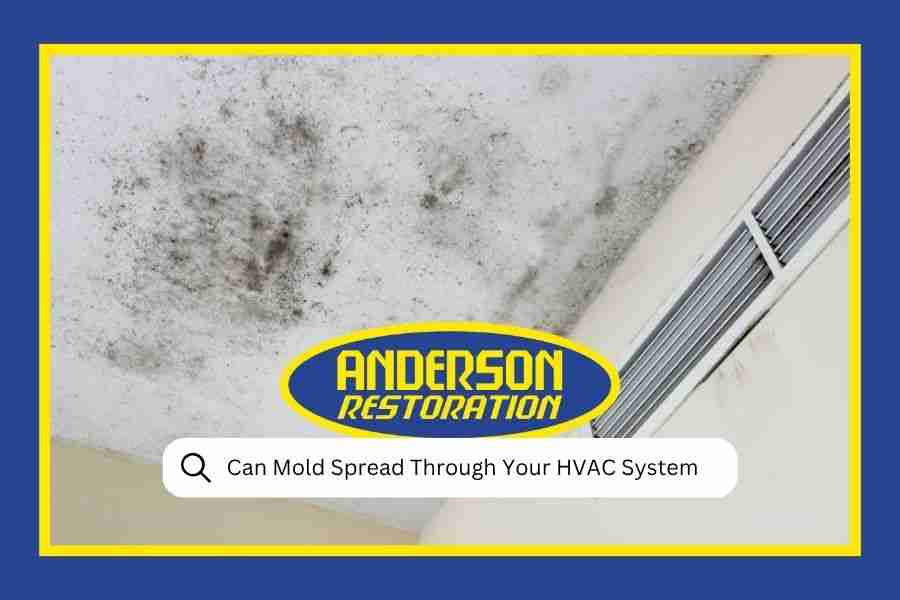
Short answer: yes. Mold can travel through your HVAC system, and it happens more often than homeowners expect. The good news? Professional mold remediation can stop the spread and clean up your air.
Here in the North and West Houston metro, our team at Anderson Restoration sees it after leaks, humidity spikes, and long summers when the AC barely rests. Here is how it happens and what to watch for.
Can Mold Really Spread Through Your HVAC System?
Yes, mold can spread through your HVAC system by riding on the air it moves. Your AC pulls air in, cools it, then pushes it back out through every vent in the house. Mold growing anywhere along that path sends spores along for the trip. One damp spot can seed rooms far from where it started.
Mold itself is always around us. The CDC points out that tiny mold spores float through indoor and outdoor air all the time. They only turn into a problem when they find moisture and something to feed on. Inside a cool, damp air handler, they find both.
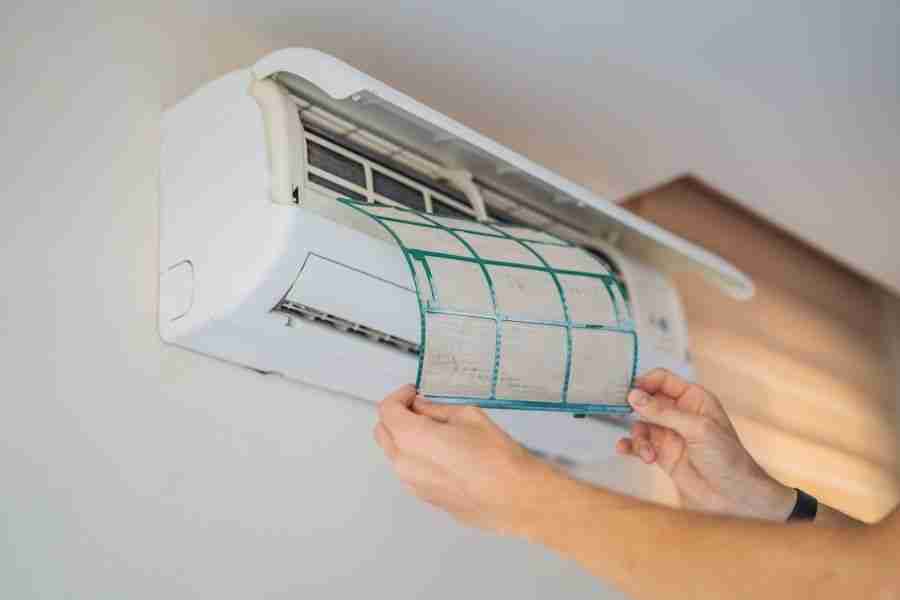
Cool, damp air handlers give mold spores the moisture and darkness they need to take hold.
How Does Mold Get Into Your Ductwork and AC?
Mold gets into your HVAC system wherever moisture collects, which is easy in our humid climate. Air conditioners create condensation as they run. When that water sits in drip pans, on coils, or inside ducts, mold has everything it needs. Small leaks and high humidity speed the whole thing up.
A few of the usual entry points our technicians find:
- Clogged condensate drain pans that hold standing water.
- Cold evaporator coils where moisture beads up and lingers.
- Damp ducts running through hot attics.
- Oversized units that cool fast but never pull enough humidity out.
- Dust and debris inside vents that feed hungry spores.
Leaks make it worse. A hidden pipe leak or an overflowing drain pan near your air handler can soak insulation and duct board fast, which is why water damage restoration and mold cleanup so often go hand in hand. If you have ever dealt with water in your air ducts, mold may already be along for the ride.
Smelling something musty when the AC kicks on?
That odor is worth a closer look. Our IICRC-certified team responds across the Houston metro, day and night.
How Does HVAC Mold Affect Your Indoor Air Quality?
When mold spreads through your HVAC system, it lowers your indoor air quality room by room. This is cross-contamination: one moldy spot can seed the whole house. A problem that started in the attic can end up in a bedroom downstairs. Everyone in the home breathes the same recycled air.
Breathing mold day after day can wear on your health. The EPA connects mold exposure to coughing, congestion, and worse symptoms for people with asthma or allergies. A filter alone will not fix a colonized system. That said, the right air purifier for mold can help while you track down the source.
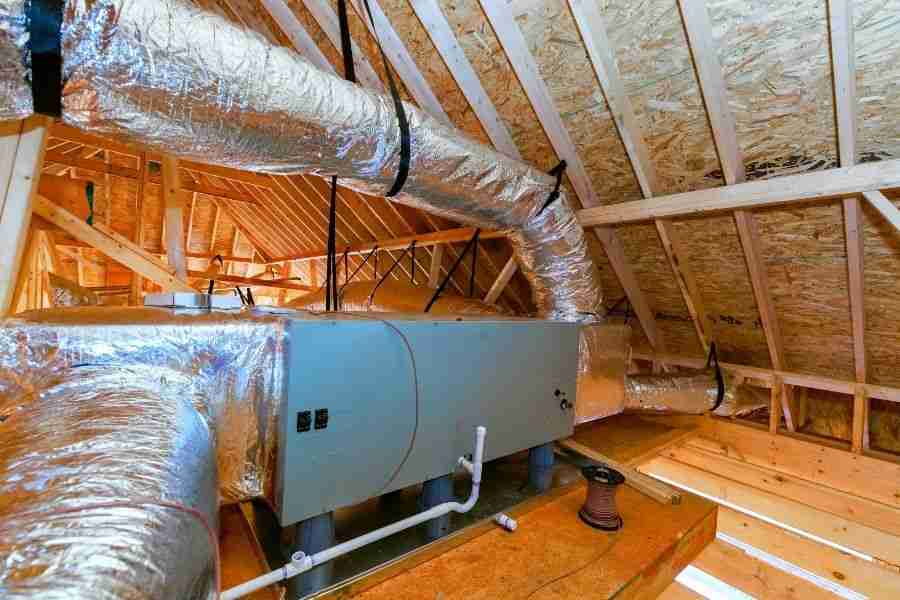
Once mold reaches the ducts, every vent in the house can push spores into the air you breathe.
1 Moisture builds up. | 2 Mold takes hold. | 3 The blower spreads spores. | 4 Every room gets exposed. |
What Are the Warning Signs of Mold in Your HVAC System?
The clearest sign of HVAC mold is a musty smell that shows up when the system runs. Your nose often catches it before your eyes do. Other clues include allergy symptoms that ease when you leave the house and dark growth near the vents. Trust the pattern, not just one rough day.
Quick check for signs of trouble:
Not sure how far to take it? Use this as a rough guide.
| Likely a DIY fix | Time to call a pro |
|---|---|
| Light surface mold on a removable vent cover | A musty smell with no visible source |
| A small spot from a recent spill | Mold that returns after you clean it |
| A washable filter that needs a rinse | Mold on coils, drains, or ductwork |
What Should You Do If You Suspect Mold in Your HVAC System?
If you think mold is in your HVAC system, turn the system off first so it stops spreading spores. Then leave the growth alone, since disturbing it only releases more into the air. Bring in help that can find the source and treat it the right way. Moving fast protects your home and your lungs.
Here is the order we would suggest:
- Shut off the HVAC system to stop air from circulating.
- Leave the area alone and skip running fans nearby.
- Note where you smell or see mold, plus any symptoms.
- Have a licensed third-party inspector test the air. In Texas, mold testing has to be done by an independent party, not the company handling the removal.
- Call an IICRC-certified team for cleanup, then follow smart ventilation tips after mold removal to keep it gone.
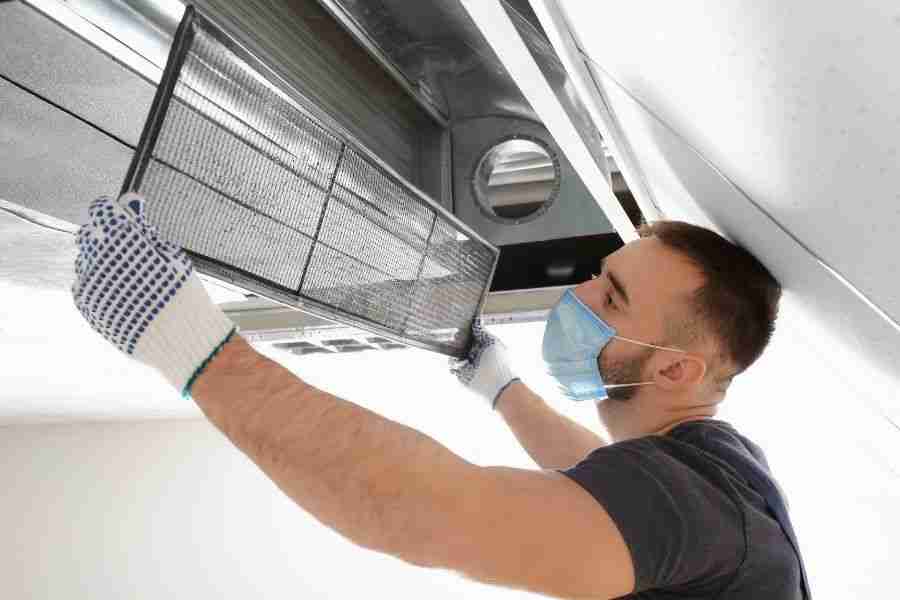
Real cleanup reaches the coils, drains, and ducts inside.
Serving Cypress and the greater Houston metro, we can be at your door fast when mold shows up.
See our restoration services in Cypress, TX
Mold in your HVAC system is stressful, but it is fixable. Our family-owned crew has restored Houston homes since 2002, and we handle the whole job, from tracking down the moisture to clearing the air. When something smells off, do not wait it out. Reach out and we will take a look.
Frequently Asked Questions
Here are the questions Houston homeowners ask us most about mold and HVAC systems. Short, straight answers below.
Can mold in my AC make me sick?
It can. Breathing mold spores may trigger coughing, a stuffy nose, and flare-ups for anyone with asthma or allergies. Many people notice their symptoms ease once they leave the house.
Will cleaning my vents get rid of the mold for good?
Not usually. Wiping vent covers helps the surface, but mold on the coils, in the drain pan, or deep in the ducts needs professional cleanup to stop it from returning.
Should I keep running my AC if I think it has mold?
No. Running the system blows spores through every room in the house. Shut it off until a professional can check the coils, drain pan, and ductwork.
How fast can mold spread through ductwork?
Fast. Once spores land on a damp surface, growth can start within a day or two, and each time the system cycles on it pushes those spores through the vents.