How to Completely Get Rid of Mycotoxins In Your Home
Table of Contents
Most people think that mold only damages drywall, ceilings, and wood. The truth is, mold does not only affect your house but also your health. Mycotoxins coming from mold that grow in your house pose serious health risks, from asthma-like symptoms to respiratory infections.
Mold and mycotoxins can quickly become a major problem if left unchecked, especially in Houston’s humid climate– the perfect environment for mold growth. But what are mycotoxins and why are they a threat to your health? Find the answers and discover the tips on how to get rid of mycotoxins in your home by reading this guide.
What are Mycotoxins?
Mycotoxins are toxic compounds produced by certain mold as a self-defense mechanism to enhance their survival. Mold releases mycotoxins to help them withstand extreme temperatures, fend off or kill competing mold or microorganisms in their area, and deter insects that feed on them.
Mycotoxins not only affect mold and microorganisms, they also have an impact on our health. There are around 400 types, with some highly toxic groups, including aflatoxins, ochratoxin A, patulin, fumonisins, zearalenone, and trichothecenes. Mycotoxins can cause respiratory illnesses when exposed to it and poisoning if ingested.
Symptoms of Mold Mycotoxins Exposure
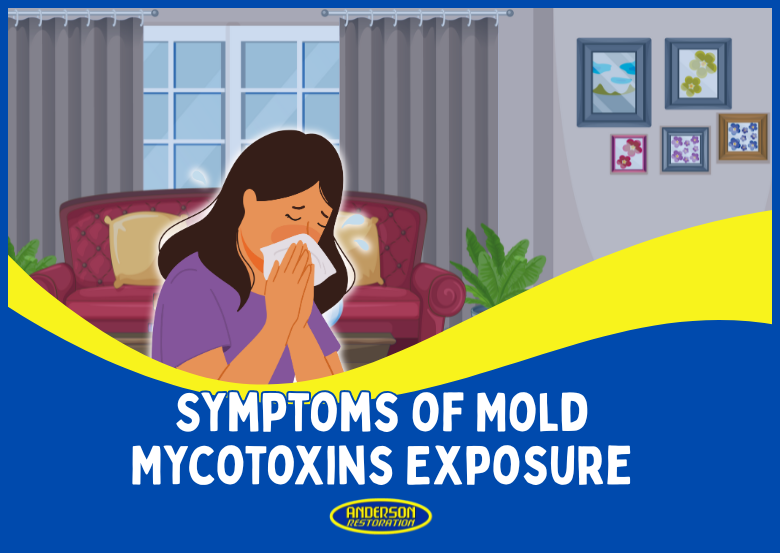
Different mycotoxins impact our health in various ways. The common symptoms of mycotoxins from mold in your house:
- Sneezing
- Nasal congestion
- Coughing
- Wheezing
- Shortness of breath
- Chest tightness
- Red eyes
- Respiratory infections
- Allergic reactions (skin rash/hives, itchy and watery eyes, swelling of face, lips, or tongue)
- Headache
- Dizziness
- Fatigue
If you ingest food contaminated with mold and mycotoxins, you may experience:
- Nausea
- Vomiting
- Abdominal pain
- Diarrhea
We recommend seeking immediate medical attention if you suspect mold exposure or experience these symptoms.
Signs of Mold Mycotoxins in Your Home?
Since mold produces mycotoxins, its presence in your home may indicate mold contamination. Here are the signs to watch for:
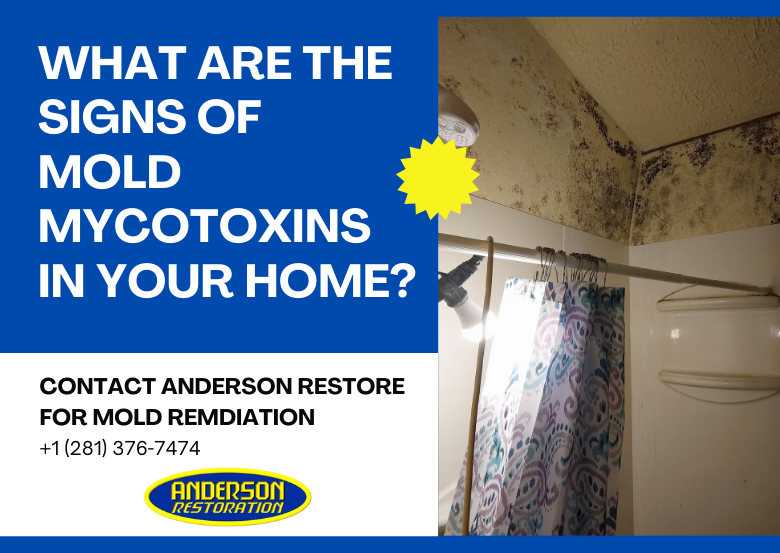
1. Water Damage
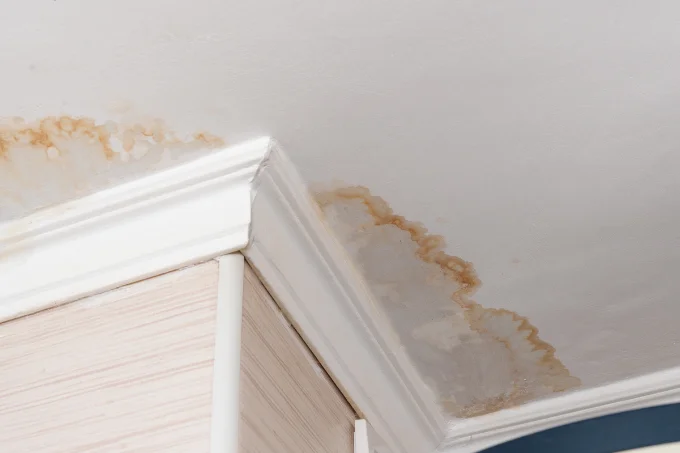
Mold thrives in humid environments. Watch for leaks, damp areas, or warped wood, as these create ideal conditions for mold growth. If left untreated, mold might begin releasing mycotoxins for them to survive.
2. Mold Growth
Mold appears in various colors (black, green, brown, yellow, or orange) and may look fuzzy or slimy. It often grows on damp surfaces like walls, ceilings, floors, and carpets. Multiple mold growth, especially in the same area creates competition among the colonies. This increases the likelihood of mold producing mycotoxins.
3. Musty Odor
Mycotoxins from mold in house are odorless, but the mold that produces them is not. Mold has a distinct musty, earthy smell, like decaying wood, damp soil, or wet socks, which may indicate its presence. However, odor does not reflect mycotoxin levels only that mold may be present.
Relying on smell alone is insufficient. Hidden mold colonies may not emit strong odors but can still release harmful mycotoxins.
4. Health Issues
Persistent or recurring symptoms like sneezing, coughing, respiratory issues, or allergic reactions may indicate mold mycotoxins in your home. If symptoms last over a week to months, seek medical attention or treatment for mycotoxin and schedule a mold inspection.
Call now to speak with an expert about your concerns. We’re ready to help!
How to Test for Mycotoxins at Home
Without mold, there are no mycotoxins. A mold inspection can help identify mold growth and its location. To eliminate mold and mycotoxins, contact a mold professional in Houston, TX. Here’s how a mold inspector inspects your property for mold and tests mycotoxins at home.
Without mold, there are no mycotoxins. A mold inspection can help identify mold growth and its location. To eliminate mold and mycotoxins, contact a mold professional in Houston, TX. Here’s how a mold inspector inspects your property for mold and tests mycotoxins at home.
1. Initial Consultation
The inspector asks about any signs of mold, water damage, or health symptoms in your household. This will help the inspector identify the potential problem areas around your property.
2. Visual Inspection
A thorough check of walls, ceilings, floors, HVAC systems, and other areas prone to mold growth. Not only will this help locate the mold, but helps with sample gathering for laboratory analysis.
3. Moisture & Humidity Testing
Mold can hide within walls, making detection difficult. Inspectors use moisture meters and hygrometers to identify damp areas where mold thrives.
4. Air & Surface Sampling
Samples from air and surfaces help detect mold spores and mycotoxins. Air testing kits identify harmful toxins in the air, offering crucial insights into indoor air quality.
5. Laboratory Analysis
Samples are sent to a lab for identification of mold types and toxin levels, confirming the presence of mycotoxins in your home.
6. Report & Recommendations
The inspector provides a detailed report with findings and suggestions for mold removal and prevention. Mold remediation services then recommend solutions to reduce humidity and prevent future growth.
How to Get Rid of Mycotoxins in Your Home
Once you have confirmed the presence of mold in your home and identified the location of mold growth, you can call a Anderson Restoration to help you get rid of mold toxicity in your home.
At Anderson Restoration, we follow industry-approved methods to ensure effective mold removal and prevention.
Isolation & Containment
We isolate mold-affected areas using negative air pressure with HEPA filters to prevent further contamination. This is important to ensure unaffected areas remain safe and free of mycotoxins and mold spores.
Decontamination & Mold Removal
Our team sanitizes surfaces with antimicrobial cloths and detergent. Contaminated belongings, like furniture, are cleaned separately. This is to ensure that we eliminate mold at the source, preventing regrowth.
Restoration
After mold removal, we restore the area to its original condition, reinstalling furniture, flooring, drywall, and cabinets. We want you to have confidence in a safe, comfortable, mold-free living space.
Mold can seriously affect your family’s health. At Anderson Restoration, we prioritize your safety. Get in touch with us today to discuss how we can help create a healthier living space for you.
FAQs
What Kills Mycotoxins?
Technically, you can’t kill mycotoxins, but you can kill what produces mycotoxins– mold. There are household cleaners that can kill mold on surface-level only, meaning you can’t reach the roots that are embedded deeply into your walls or surfaces. These roots will only regrow and germinate again, meaning mold will still appear a few days later.
Mold remediation eliminates surface mold and its source, preventing regrowth and mycotoxin return. It involves deep cleaning and decontamination, sometimes requiring wall removal if mold is deeply embedded. This ensures complete eradication of mold which is a good mycotoxin treatment.


Can You Stay in Your Home During Fire Damage Restoration

How Professional Dehumidification Works After Water Damage
We’re ready to answer your questions. Please submit the online form below to speak with an Anderson Restoration professional.