Why Do I Have Mold In My Bathroom Vent?
Table of Contents
Reasons for Bathroom Fan Mold Growth
Bathrooms are one of the most common places for mold in homes. The high humidity, steam from showers, and warm air create the perfect environment for it to grow. Installing an exhaust fan can help reduce moisture and prevent mold. Unfortunately, they can also be a breeding ground for mold!
Here are the reasons why there is mold around your bathroom vent:

Insufficient Bathroom Ventilation
Houston’s humid weather can lead to a lot of indoor moisture, especially in bathrooms. If your exhaust fan isn’t strong enough, that moisture gets trapped. This creates the perfect place for mold to grow. Many people only run their bathroom fan for a few minutes. But in a humid city like Houston, that’s not enough.
To help your fan work better, open the bathroom door and windows after you shower. This gives the moisture more ways to escape. Also, keep your exhaust fan running for at least 15 minutes after showering. This helps remove steam and moisture from the air, walls, ceiling, and vents. It also speeds up drying.
This is even more important if your fan is too small for your bathroom. A small fan may not be powerful enough to clear out all the moisture on its own.
Clogged Filter
Clogged filters are another reason for mold on the vent in your bathroom. Dust and debris clog bathroom exhaust fan filters. When clogged, they restrict airflow and cannot draw moist air out of your bathroom. Instead, it lets moisture stay in the air.
Homeowners in Houston often overlook fan maintenance. According to the Home Ventilating Institute, bathroom fans should be cleaned at least once a year. Otherwise, a dirty filter slows the fan and lets mold settle in.
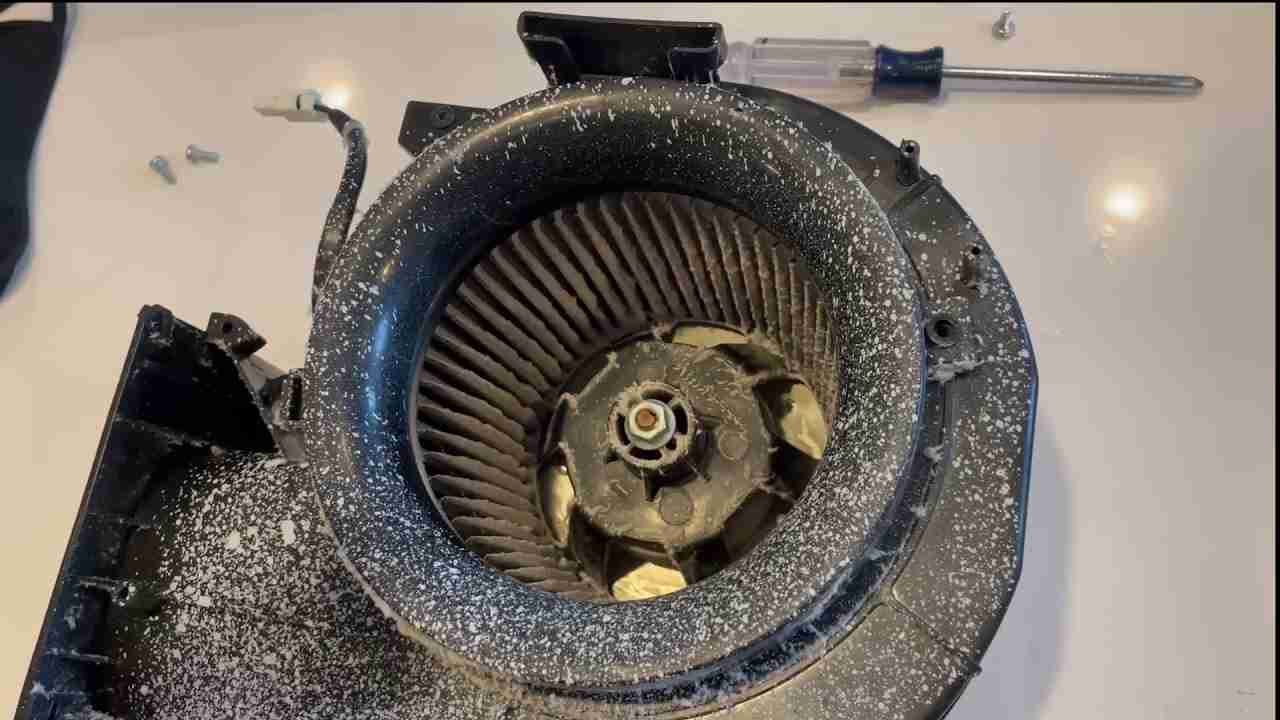
Bathroom Fan Unfit for Size and Usage
An effective way to prevent mold in the bathroom exhaust fan is to choose the right fan for your bathroom size and how you use it. If your fan is too small for the space, it won’t move enough air. This becomes a problem, especially if you take long, hot showers.
Hot showers create a lot of steam. A weak fan can’t clear out the moisture fast enough, which lets mold start to grow. The result? Moisture clings to the vent and nearby surfaces. Over time, this moisture helps mold grow inside the fan housing and duct.
Generally, HVI recommends one CFM per square foot of bathroom area when considering an exhaust fan for bathroom size. For example, if your bathroom is 50 sq. ft., you should opt for an exhaust fan with a minimum 50 CFM rating.
Ductwork Problem
Some duct systems aren’t insulated or pitched correctly. That means water vapor inside the duct can turn back into liquid. It then drips down and collects near the vent. Ductwork problems can also lead to mold growth, and there are a few common causes.
One cause is improper installation. Bends or kinks in the ducts can trap moisture and block airflow. Another issue is using organic materials for insulation, like wood. Mold feeds on organic material, so this gives it a food source.
Old or worn-out pipes can also leak and reduce airflow. Both problems create moist conditions that mold needs to grow. You may consider a ductless fan in the bathroom to avoid this problem.
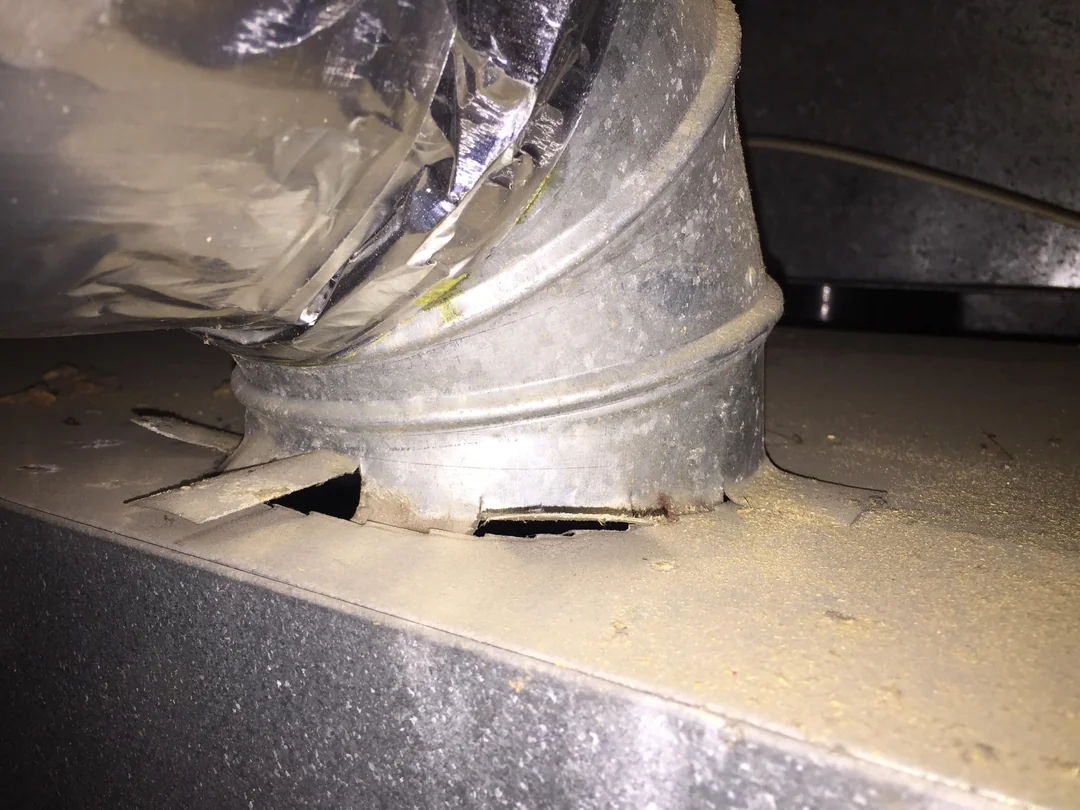
Poorly Sealed Exhaust Fan
If the fan housing is not sealed tightly, warm air escapes around the vent edges. That moisture gets trapped in small crevices. This area becomes a hidden mold zone.
A poor seal also invites outside air into the fan. Houston’s outdoor humidity adds even more moisture. Mold finds the dark, damp housing ideal for spreading unseen.
Call now to speak with an expert about your concerns. We’re ready to help!
Signs of Mold in Bathroom Exhaust Fan
It’s hard to tell if there’s mold inside your bathroom exhaust fan just by looking. You usually have to take the fan apart to see mold growing inside, and most people don’t do that often.
So, how can you tell if there might be mold in your bathroom fan? Here are some common signs to watch for:
- Musty Odor
A musty odor near your ceiling vent is a strong clue. Mold gives off a distinct, earthy smell that doesn’t go away with cleaning sprays. That odor often means mold is hiding deep inside the vent.
- Black or green stains
You might see black or dark green spots on the fan cover or ceiling. In some cases, mold even grows on the bathroom walls near the vent.
- Bathroom fan condensation
Another sign is frequent condensation on bathroom vent. If you see water dripping from the fan, that’s not normal. It may be a sign that the ductwork is letting moisture pool or return into the bathroom.
- Humming noise
If you hear strange noises from the fan, like grinding or humming, it could be working harder due to mold buildup. This may clog internal parts and reduce airflow.
How to Clean Mold from Bathroom Vent
Now that you have confirmed that your bathroom fan is harboring mold, the next urgent step is to clean it. Not cleaning it immediately poses health risks and can just worsen your mold problem. Imagine spreading the mold spores around your house.
Here are the steps on how to get rid of mold from the bathroom vent:
- Start by turning off the fan’s power. Safety first. Mold cleanup and electricity don’t mix.
- Remove the vent cover. Soak it in warm, soapy water with a bit of white vinegar or hydrogen peroxide. These natural cleaners help break down mold spores.
- Use a soft brush or an old toothbrush to scrub away visible mold. Focus on both the vent cover and the fan blades. Be gentle to avoid damaging any components.
- Use a HEPA vacuum with a brush attachment to clean inside the housing. This helps remove dust, spores, and debris. Avoid breathing in particles—wear an N95 mask and gloves.
- If mold is deep in the ductwork, call a professional like Anderson Restoration. Most Houston homeowners can’t access or clean long ducts safely. A mold remediation specialist can remove spores, clean ducts, and prevent regrowth using their industrial-grade equipment.
- After cleaning, improve ventilation. Run the fan longer after showers. Open a window if possible, or add a humidity sensor to the fan switch.
Keeping Your Bathroom Mold-Free in Houston
Mold in bathroom vents is a common problem for Houston homeowners. High humidity and poor ventilation create the perfect conditions for mold growth. By understanding the causes and signs, you can take action early.
Regular cleaning and proper fan maintenance help prevent mold buildup. If mold appears, professional help ensures safe and thorough removal. Anderson Restoration specializes in diagnosing hidden mold in bathroom vents, ducts, and attic spaces. We don’t just clean the surface, we fix the root problem.
Our local experience helps us spot common Houston ventilation flaws fast. We use industrial-grade tools for spotting hidden mold and complete remediation. You don’t need to solve HVAC mold issues on your own. Call Anderson Restoration today for a free inspection.
FAQs
Is it safe to use bleach to clean mold in bathroom vents?
Bleach can kill surface mold but may not reach hidden mold in ducts. Mold will only reappear days after. Seeking professional mold remediation services ensures killing mold from its roots to prevent future growth.
How quickly can mold grow in a bathroom vent after a shower?
Mold spores can begin growing within 24 to 48 hours if moisture remains trapped and ventilation is poor.


Can You Stay in Your Home During Fire Damage Restoration

How Professional Dehumidification Works After Water Damage
We’re ready to answer your questions. Please submit the online form below to speak with an Anderson Restoration professional.