When our team at Anderson Restoration got the call about a mold remediation job in Angleton, TX, we knew from the initial description that this wasn’t going to be a quick in-and-out project. The homeowner had discovered dark spots spreading across a ceiling corner, and what started as one visible patch turned out to be a much bigger problem hiding behind the walls and above the ceiling line. Mold has a way of doing that. It shows you a little, then makes you find the rest.
What We Found During the Initial Assessment
Our crew walked the home room by room, and it didn’t take long to realize the contamination had spread well beyond that original ceiling stain. The primary bedroom, secondary bathroom, kitchen, pantry, living area, hallway, entry, and utility room all showed signs of mold growth on framing members, drywall surfaces, and inside the HVAC system. According to the EPA’s guidance on mold and health, even small amounts of indoor mold can trigger respiratory issues, so a home this extensively affected needed a thorough, systematic approach.
Here’s a closer look at what we were dealing with when we first arrived:
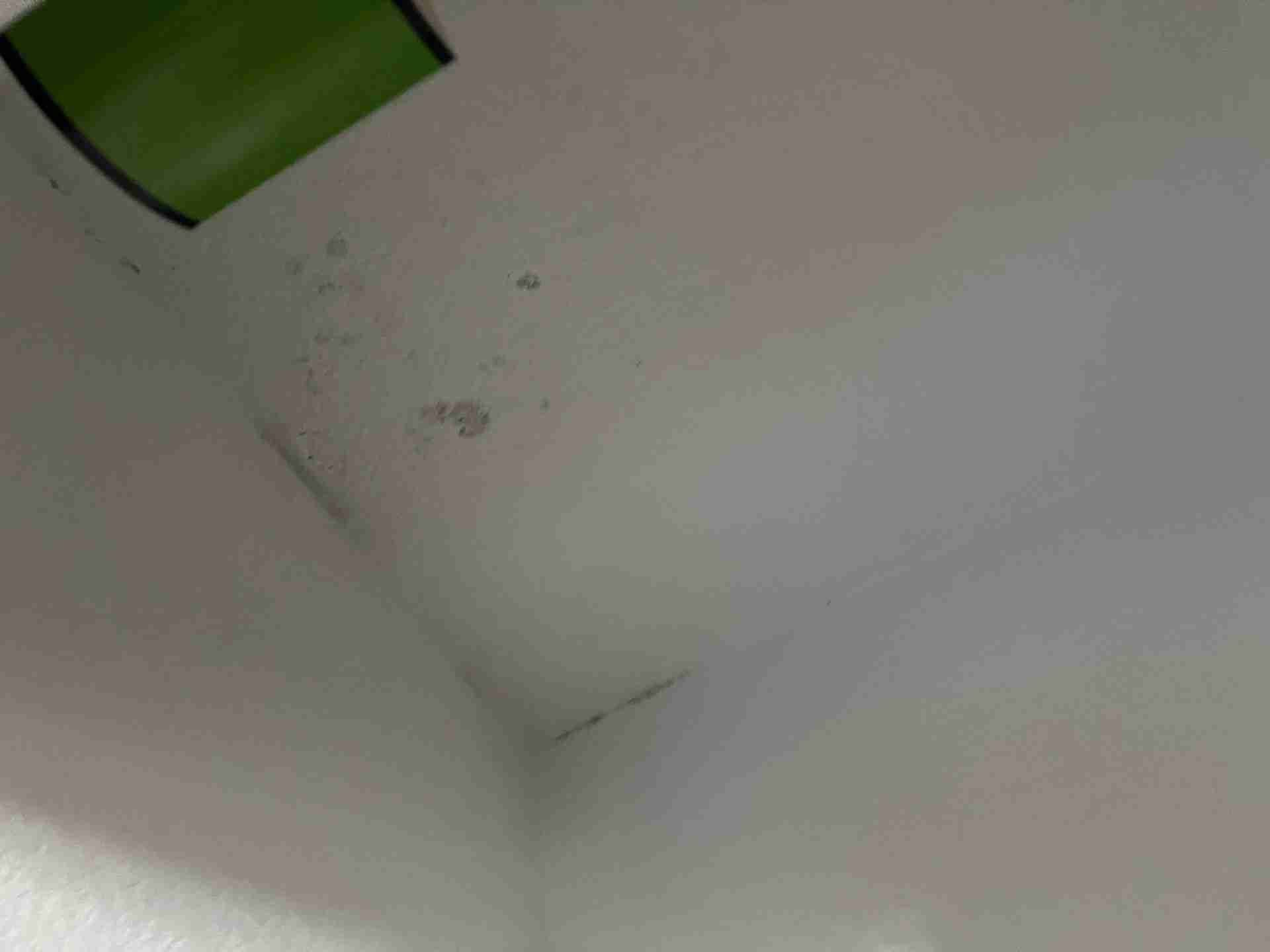 | 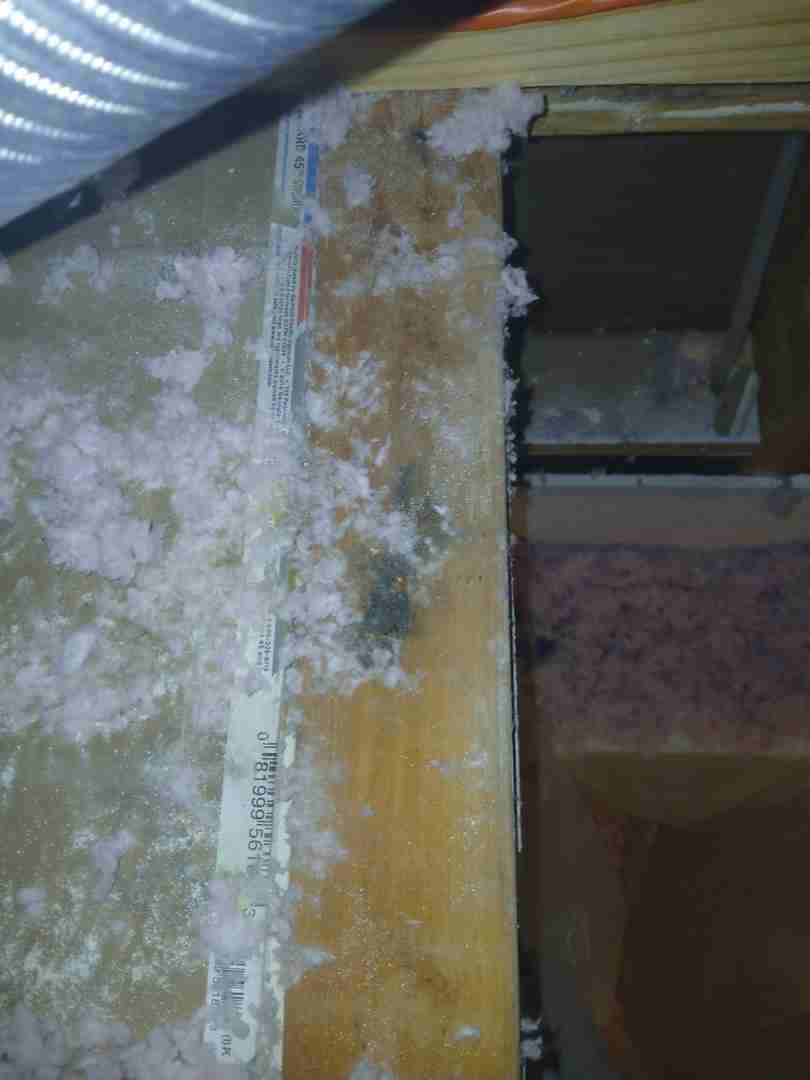 | 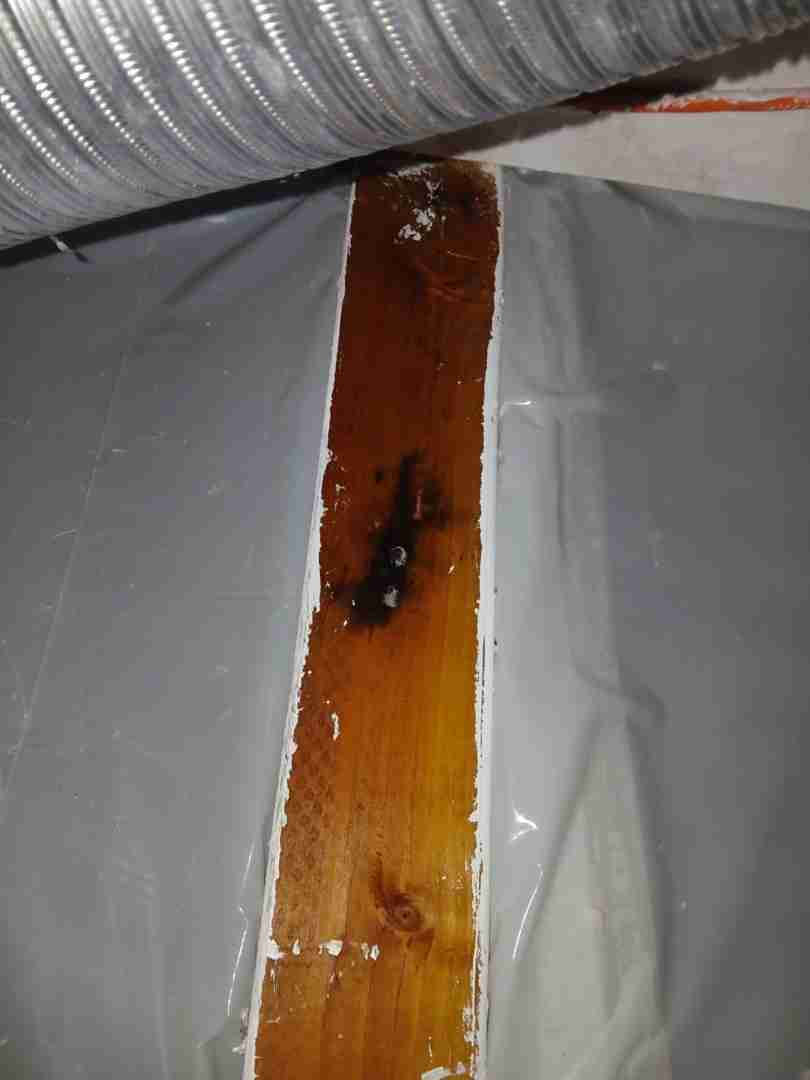 |
That dark staining on the wood framing? That’s what was hiding behind perfectly normal-looking drywall. The pink insulation was saturated with contamination too. Once moisture gets trapped in fiberglass, mold colonizes fast, and there’s really no saving it. It all had to come out.
Opening Up the Ceiling and Finding HVAC Contamination
One of the trickier parts of this project was the HVAC system. When we opened up the ceiling cavities, we found flexible ductwork running through compromised framing. That’s a problem, because every time the AC kicked on, it was potentially circulating mold spores through the entire house. If you’ve ever wondered how fast mold grows after a water leak, this home was a textbook example of what happens when moisture sits in a warm, enclosed space for too long.
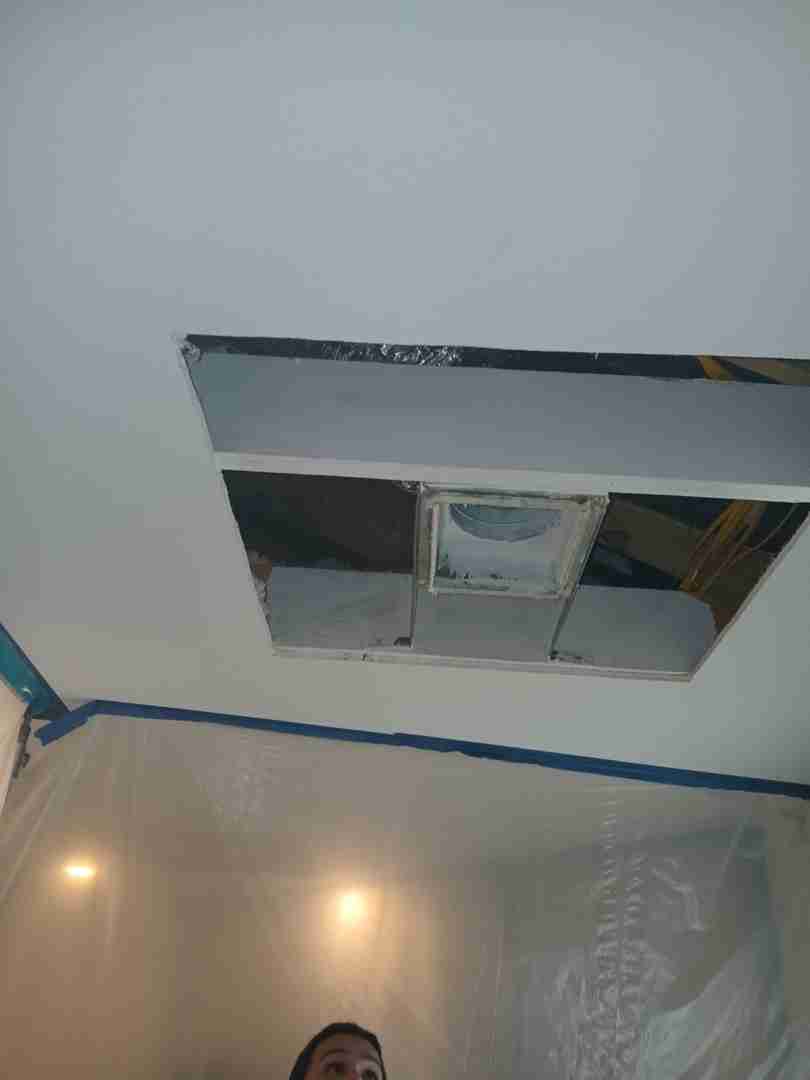 | 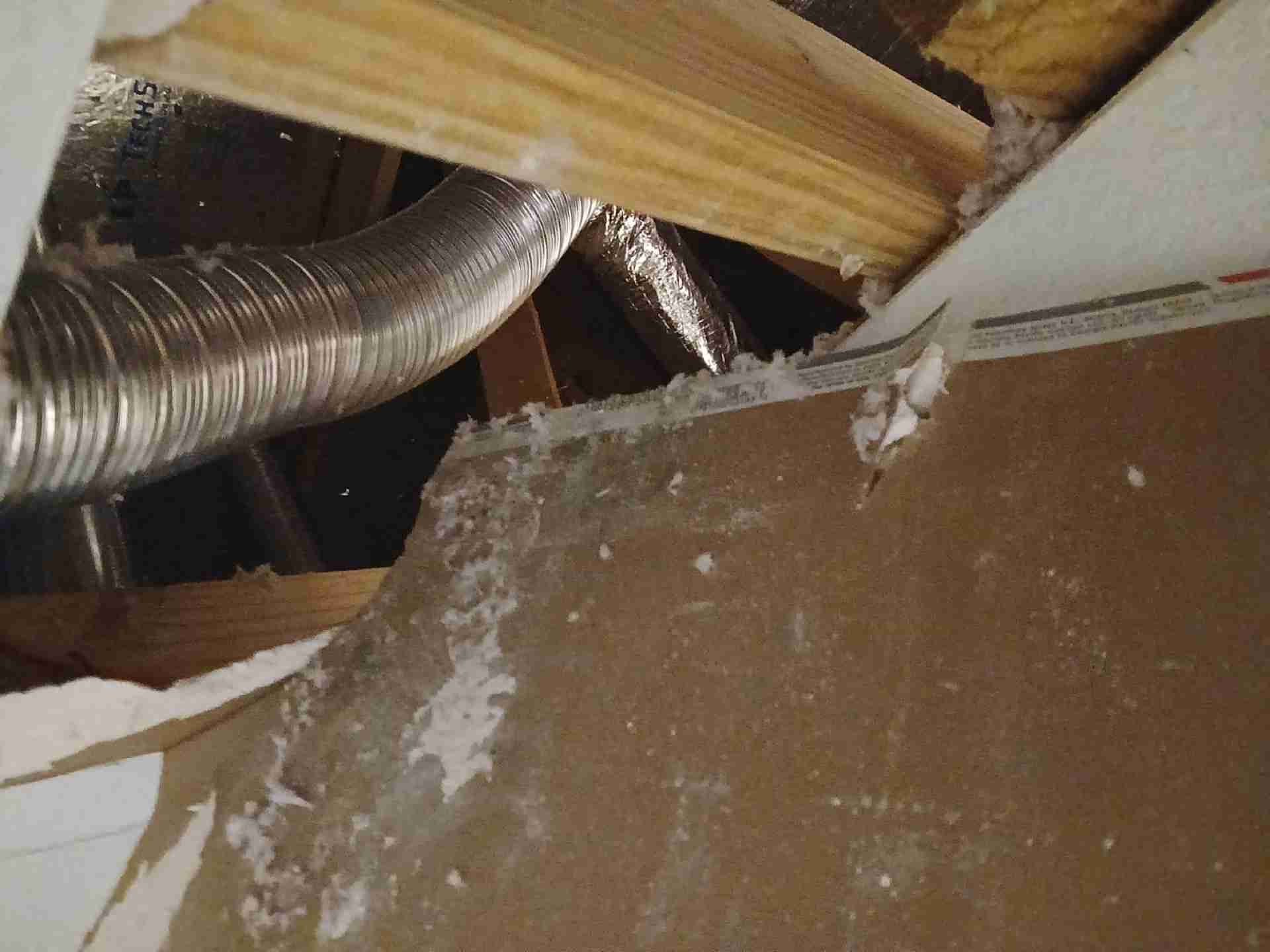 |  |
Our demo work included removing all contaminated drywall and insulation, carefully exposing the ductwork so it could be addressed, and treating every inch of exposed wood framing with antimicrobial agents. We follow IICRC S520 mold remediation standards on every project, which means containment, air filtration, and verified clearance before we consider a job complete.
Building Containment to Protect the Rest of the Home
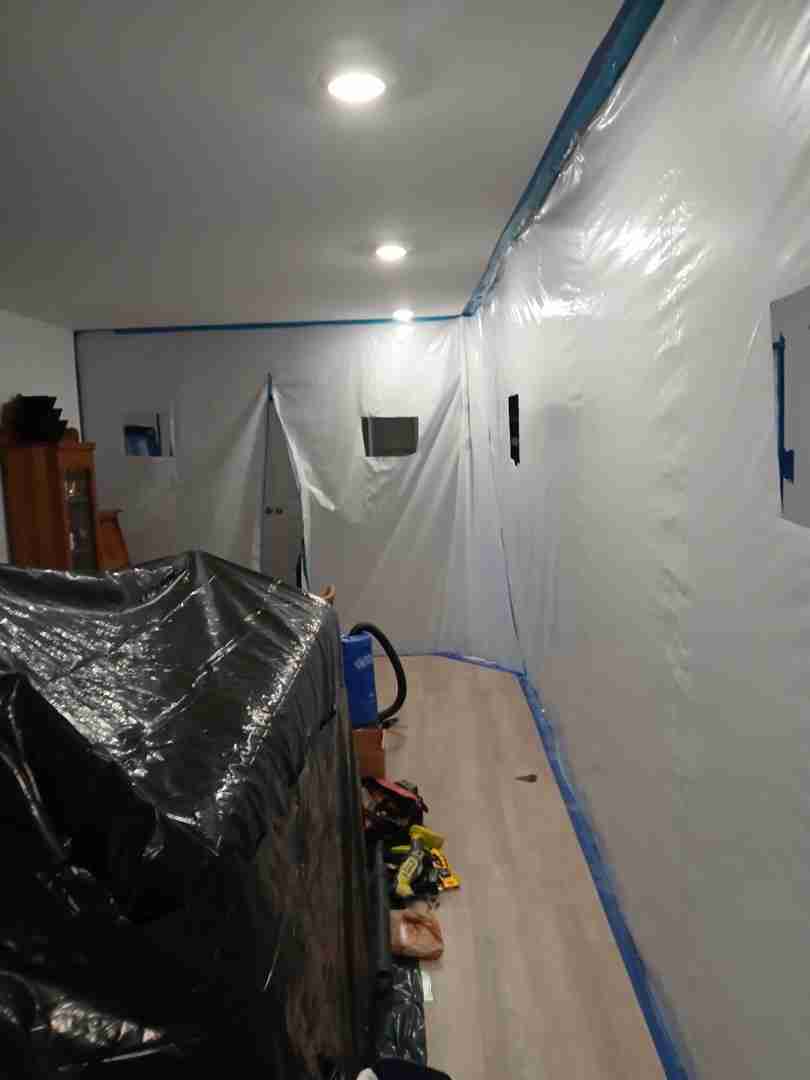
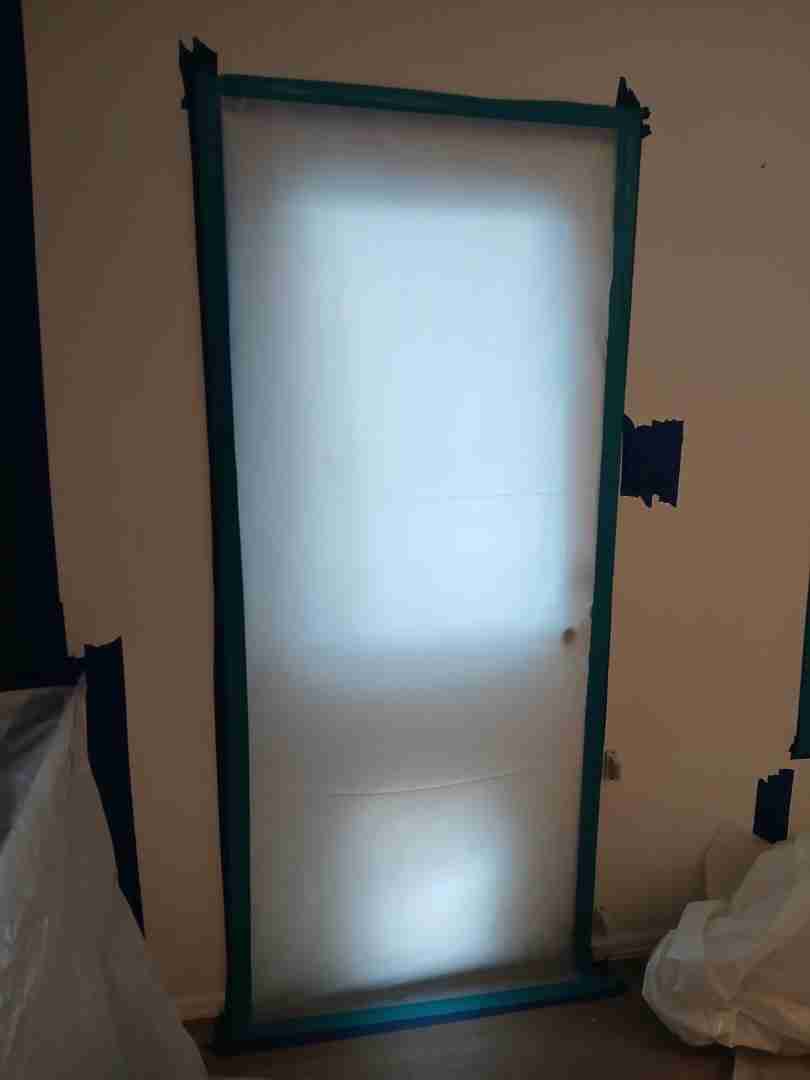
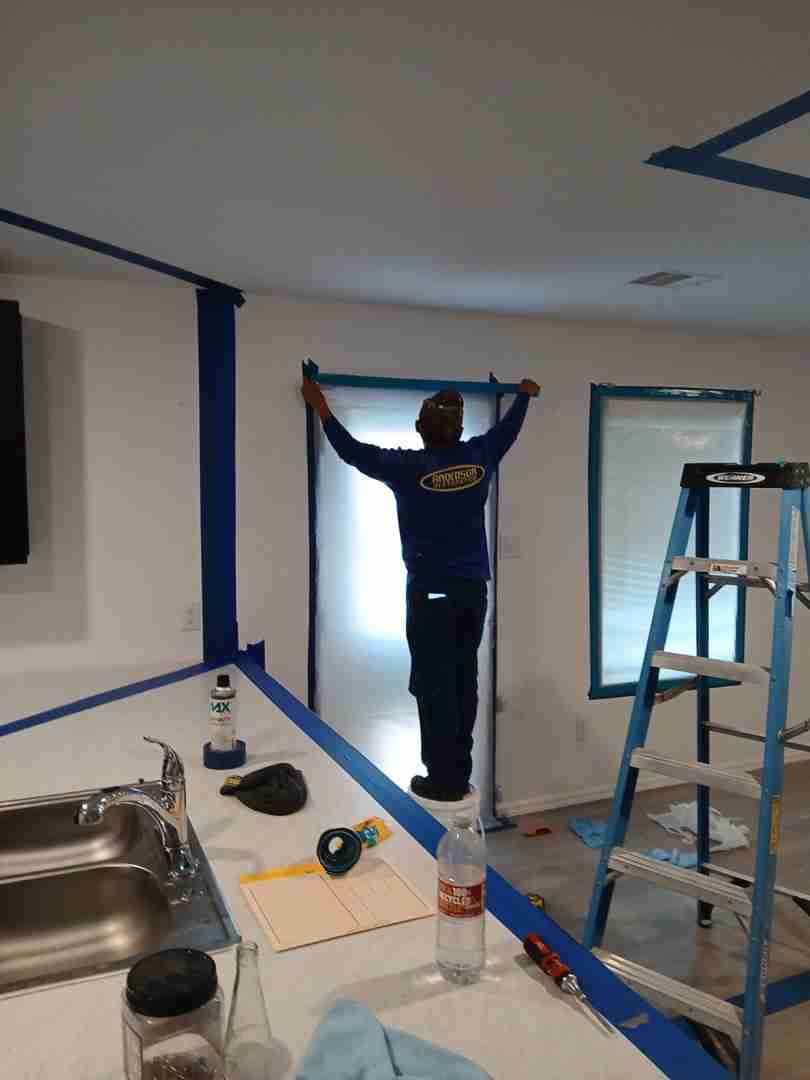
With this many rooms affected, containment was critical. We couldn’t just rip into walls and ceilings without a plan to keep mold spores from spreading into the few clean areas that were left. Our crews built engineered containments using heavy plastic sheeting and blue tape, creating sealed barriers with zippered doorways so we could move in and out of work zones without breaking the seal.
This part of the process often surprises homeowners. Your house basically turns into a series of plastic-wrapped rooms with equipment running around the clock. It’s not pretty, but it’s the only way to do the job right.
 |  | 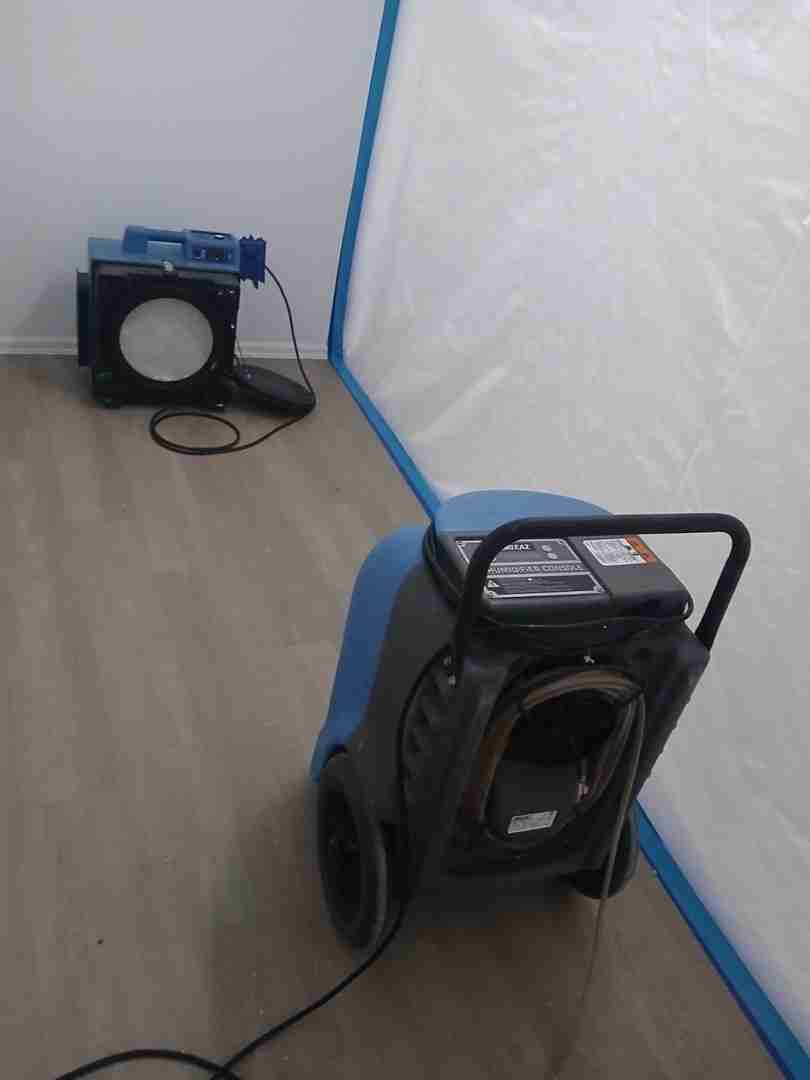 |
Inside every containment zone, we staged commercial dehumidifiers and HEPA air scrubbers to pull moisture from the air and capture airborne spores. These machines ran continuously throughout the project, maintaining negative air pressure inside the work zones so contaminated air couldn’t escape into the rest of the house. If you’re curious about the hidden places mold likes to grow, this job hit just about every one of them.
The Result: A Clean, Safe Home Ready for Rebuild
By the time our crew wrapped up, every affected surface had been treated, all contaminated materials had been removed, and the air quality readings confirmed the home was clear. The homeowner was left with a clean, dry, code-compliant interior ready for the builder to come in and put the finishing touches back on.
Projects like this one in Angleton remind us why we do what we do. Nobody wants to hear that mold has spread through most of their home. But when it happens, having a team that knows how to contain it, treat it, and get things back to normal makes all the difference. That’s what our team at Anderson Restoration is here for, and we’ve been doing it for over 20 years.
If your home is showing signs that you might need mold remediation, don’t wait. The longer mold sits, the further it spreads, and the more extensive the work becomes. Reach out to our team and we’ll help you figure out the right next step.
Need Mold Remediation in the Houston Metro Area?
Anderson Restoration is IICRC-certified and available 24/7 for emergency mold, water damage, and fire damage response across North and West Houston.